Dental Bonding Vs Veneers: Which Is Better For Chips, Gaps And Tooth Shape?

A small chip, uneven tooth edge, narrow gap, or tooth that looks different from the rest of your smile may not require major dental treatment. Two common cosmetic options are dental bonding and veneers, but they work in different ways.

The main difference in the bonding vs veneers decision is how much of the tooth is being changed and how the restoration is made. Dental bonding uses tooth-coloured composite resin that is placed directly onto part of a tooth and shaped by the dentist. A veneer covers most of the visible front surface of a tooth.

Porcelain veneers also usually require some enamel preparation and laboratory fabrication. The Canadian Dental Association makes the same basic distinction: bonding is applied to a smaller part of a tooth, while veneers cover the front surface.

Dental Bonding Vs Veneers In North York

Bonding Vs Veneers: Quick Answer

Here is the simplest comparison:

Factor Dental Bonding Veneers
Material Tooth-coloured composite resin Commonly porcelain or composite resin
Area covered Usually part of the tooth Most of the visible front surface
Common uses Small chips, small gaps, uneven edges, minor shape changes Broader changes to shape, colour, proportions, or several teeth
Treatment time Often one appointment Porcelain veneers usually require at least two visits
Enamel removal Often little preparation Porcelain veneers normally require some enamel removal
Repairability Composite can often be repaired or added to Damaged porcelain may require replacement
Stain resistance Composite can change colour over time Porcelain is more stain resistant
Reversible? Often more conservative Traditional porcelain veneer treatment is generally not reversible once enamel is removed
What is treated? Inflamed, infected, injured, or dead pulp inside the tooth The whole tooth is removed from its socket Restoration afterward A filling or crown may be required Replacement may later involve an implant, bridge, or partial denture Best considered when The tooth remains restorable and has an acceptable prognosis The tooth cannot reasonably be restored or retained Future treatment Ongoing routine dental care and restoration maintenance Healing plus possible missing-tooth replacement

During root canal treatment, the dentist accesses the inside of the tooth, removes the affected pulp tissue, cleans and disinfects the root canal system, and fills and seals the space. The purpose is to control the disease while preserving the tooth itself.

With an extraction, the tooth is removed. The site then needs time to heal, and depending on the location of the tooth, the patient’s bite, and the overall treatment plan, replacing the missing tooth may need to be discussed.

Neither treatment should be considered automatically “better” for every patient. The better option is the one that is clinically appropriate for that particular tooth.

What Dental Bonding Does

Dental bonding is sometimes called a bonded restoration or composite bonding.

The dentist chooses a composite resin shade that blends with the tooth, applies the material directly to the tooth, shapes it, hardens it with a dental curing light, and then polishes the finished restoration. The CDA describes bonding as a treatment that can rebuild chipped areas, fill small spaces, change tooth shape, or cover an area of discoloration.

Bonding may be considered for:

  • A small chip.
  • A slightly short tooth.
  • An uneven tooth edge.
  • A small space between teeth.
  • Minor changes in tooth shape.
  • Certain areas of discoloration.
  • A limited cosmetic concern involving one or a few teeth.

Mint 32 uses the same conservative approach on its dental bonding service page, where composite resin is used to repair chips, close small spaces, and improve uneven edges.


What Veneers Do

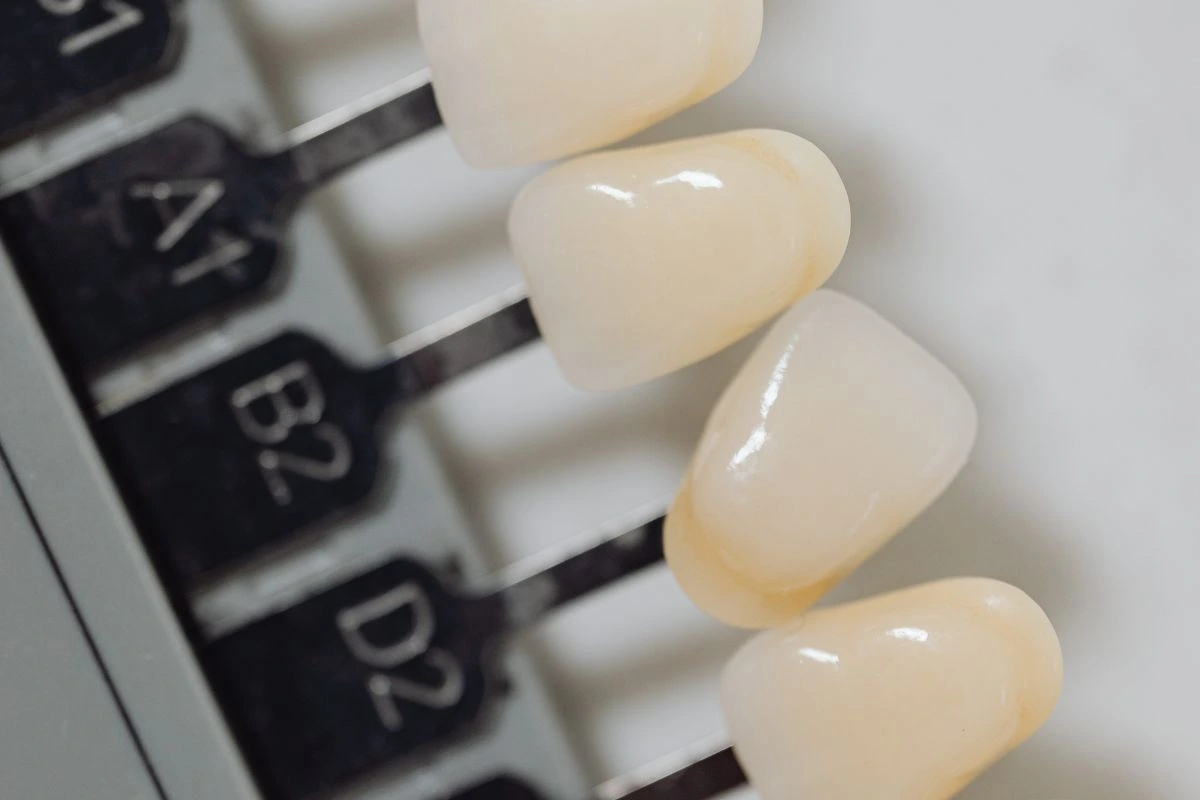
A veneer is a thin covering placed over the visible front surface of a tooth.

Veneers can be made from porcelain or composite resin. For porcelain veneers, some enamel is usually removed to create room for the restoration. An impression or digital scan is then used to make a custom veneer.

The CDA explains that porcelain veneers generally involve removing a thin enamel layer before the custom restoration is bonded to the tooth.

Veneers may be discussed when a patient wants to change:

  • Tooth colour.
  • Tooth width.
  • Tooth length.
  • Tooth shape.
  • Small spaces.
  • Mild appearance differences between neighbouring teeth.
  • Several cosmetic concerns at once.

For patients considering veneers in North York, the assessment should happen before treatment is planned because veneers are not suitable for every tooth.


Do Veneers Require Removing Enamel

Which Is Better For A Small Chipped Tooth?

For a minor chip on an otherwise healthy tooth, chipped tooth bonding may be one of the first cosmetic options discussed.

Bonding allows the dentist to add composite only where material is missing. The rest of the visible tooth may need little or no alteration.

The CDA specifically identifies chipped teeth as one of the problems bonding can repair.

However, not every chipped tooth is a simple cosmetic issue.

A dentist needs to check:

  • How large the chip is.
  • Whether the tooth is cracked.
  • Whether dentin is exposed.
  • Whether the tooth is sensitive.
  • Whether the bite caused the damage.
  • Whether the tooth has a large filling.
  • Whether there has been previous trauma.

A large fracture may need a different restoration, and a tooth with more serious structural damage should be treated based on its health rather than appearance alone.


Which Is Better For Closing Small Gaps?

Both bonding and veneers can sometimes change the appearance of small spaces between teeth.

Closing A Small Gap With Bonding

Composite can be added to the sides of neighbouring teeth to make a small gap narrower or close it.

This can be useful when:

The space is small.

The teeth are otherwise well positioned.

Only minor reshaping is required.

The final tooth proportions can remain natural.

Closing A Gap With Veneers

Veneers can also change tooth width and shape. This may be useful when the gap is part of a larger cosmetic concern involving tooth proportions, shape, or colour.

However, simply making teeth wider is not always the right answer.

A gap can sometimes be related to tooth position, missing teeth, tooth-size differences, or bite relationships. If closing the space with bonding or veneers would make the teeth look too wide, orthodontic treatment may deserve consideration instead.

This is an important point that many simple dental bonding vs veneers comparisons miss: cosmetic treatment should respect tooth proportions rather than merely cover the space.


What About Tooth Colour?

Colour can strongly affect whether bonding, veneers, or another treatment makes sense.

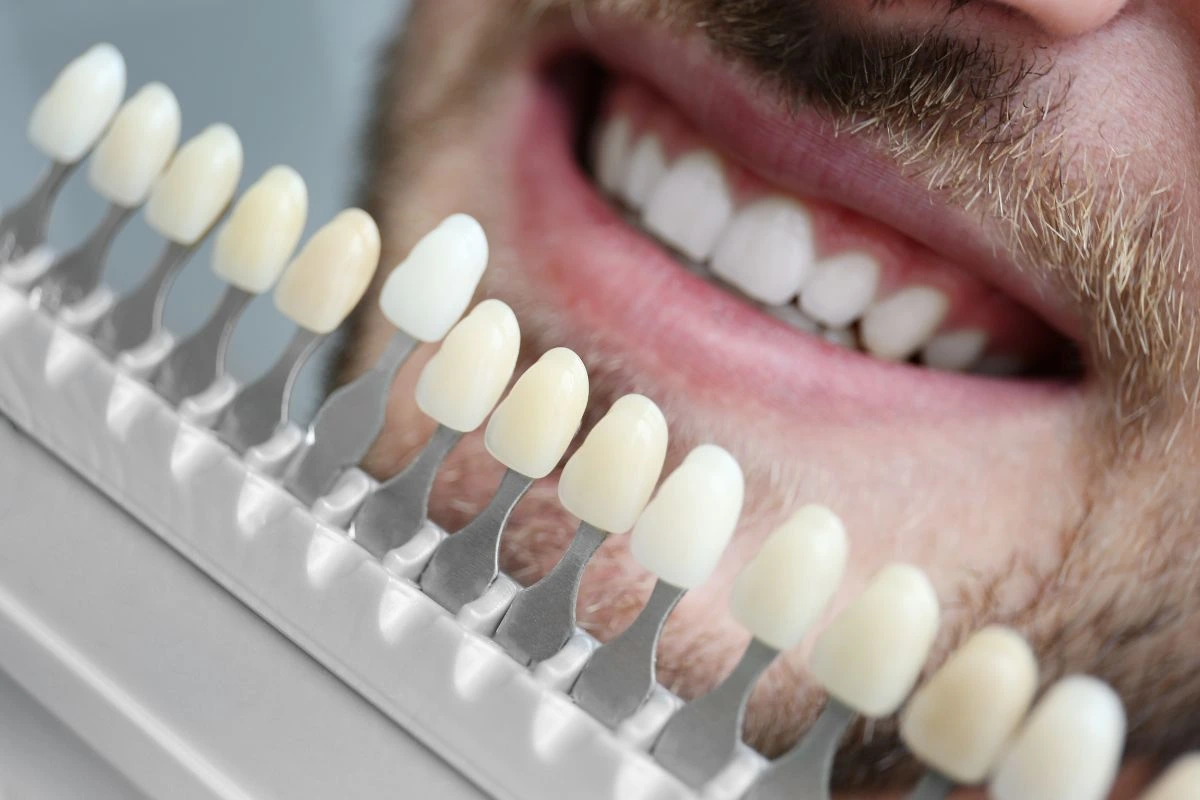
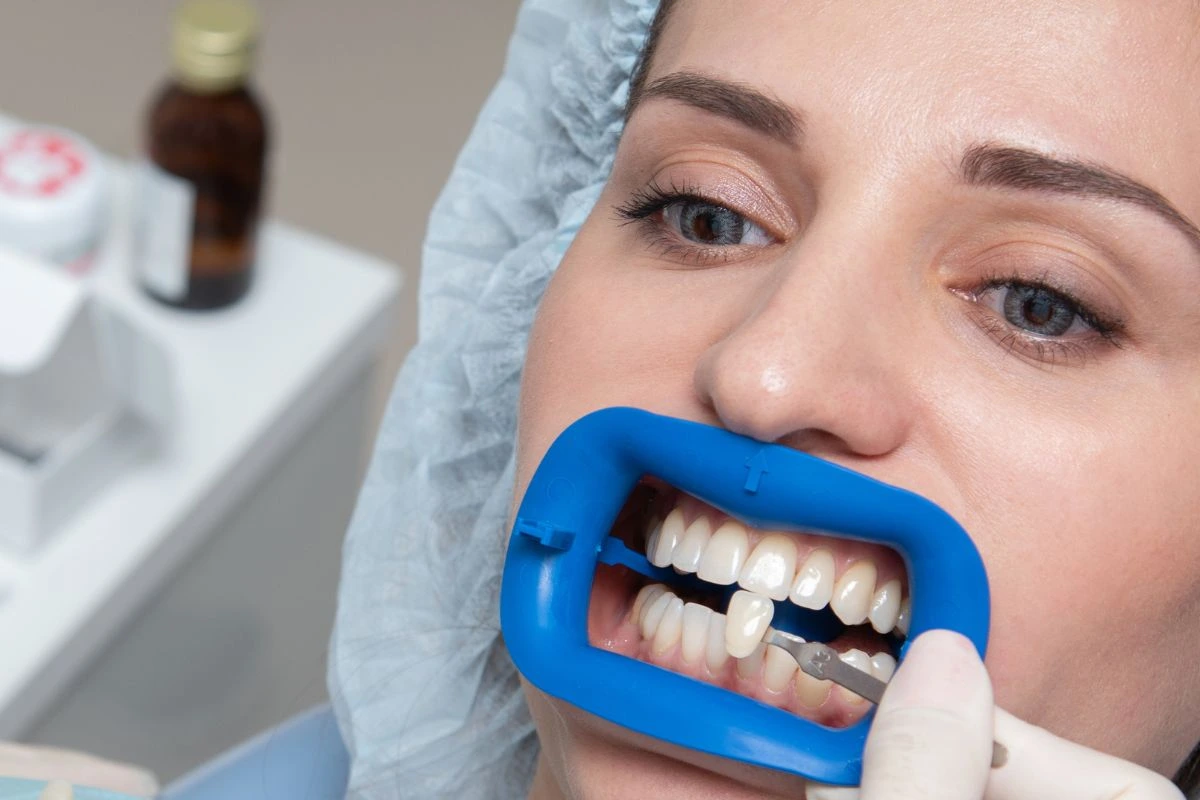
Composite bonding can be shade-matched to surrounding teeth. Porcelain veneers can also be made in a selected shade and can cover more of the visible tooth.

But if the main concern is simply that otherwise healthy teeth look too dark or yellow, another option may be worth discussing first.

Professional teeth whitening changes the colour of natural teeth rather than adding restorative material to them.

This matters when planning cosmetic dentistry because the dentist needs to identify the actual problem:

Colour problem only: Whitening may be enough.

Small chip plus colour concern: Bonding may be considered.

Shape, size and colour concerns affecting several teeth: Veneers may be discussed.

A more invasive treatment should not automatically be chosen when a simpler option can reasonably achieve the patient’s goal.


Dental Bonding Vs Veneers

How Much Enamel Preparation Is Required?

Enamel preparation is one of the most important differences between bonding and porcelain veneers.


Dental Bonding

Bonding commonly requires very little removal of natural tooth structure. The surface is prepared so the composite resin can bond effectively to the enamel.
The CDA describes the process as conditioning the tooth surface before composite is layered, hardened, shaped, and polished.


Porcelain Veneers

Traditional porcelain veneer treatment generally requires removing a thin layer of enamel to create space for the restoration.
Because enamel has been removed, the CDA states that traditional veneer treatment cannot simply be reversed afterwards.
This makes treatment planning especially important.
A patient considering veneers should understand:

  • What tooth structure will be changed.
  • Why preparation is required.
  • Whether bonding could provide the desired change more conservatively.
  • Whether orthodontics or whitening should be considered first.
  • What future maintenance may involve.


Maintenance And Longevity

Neither bonding nor veneers should be considered permanent for life.


Maintaining Dental Bonding

Composite can wear, stain, chip, or lose polish over time.

The CDA notes that bonding may wear down and can sometimes be touched up by adding composite resin.

Good habits include:

  • Brush twice daily.
  • Clean between the teeth.
  • Attend regular dental examinations.
  • Avoid chewing ice or hard objects.
  • Do not use teeth to open packages.
  • Tell your dentist if you grind or clench.


Maintaining Veneers

Veneered teeth still require normal brushing and flossing.

The CDA warns that cavities can still develop around or beneath a veneer if the restoration is not properly maintained. It also notes that grinding, clenching, or biting hard objects can chip bonding and veneers.

Porcelain tends to resist staining better than composite, but the surrounding natural teeth can still change colour over time.

This is one reason cosmetic planning should look at the whole smile rather than treating one tooth in isolation.


Is Bonding Cheaper Than Veneers?

Bonding generally requires fewer laboratory steps than porcelain veneers and is often the lower-cost starting option, but actual fees depend on the number of teeth, amount of work, materials, and complexity.

Porcelain veneers involve custom fabrication and usually more treatment stages.

Patients should compare:

  • Number of teeth involved.
  • Initial treatment cost.
  • Expected future repairs.
  • Replacement needs.
  • Insurance coverage.
  • Whether another treatment is needed first.

Cosmetic dentistry is often treated differently from medically necessary restorative dentistry by dental benefit plans. The CDA notes that cosmetic bonding and veneers may not be covered by a private dental plan.

The federal CDCP Benefits Guide effective April 1, 2026, specifically lists composite and ceramic veneers and cosmetic treatment among its exclusions.

Mint 32 provides payment options for patients who want to understand the financial side of treatment before proceeding.

How Do You Choose Based On Your Goals?

A useful decision starts by identifying what bothers you rather than choosing the procedure first.

You Have One Small Chip

Bonding may provide a conservative way to rebuild the missing area.

You Have A Very Small Gap

Bonding may be suitable if the teeth can be widened slightly without harming their proportions.

You Want To Change Several Teeth

Veneers may be discussed when several front teeth need coordinated changes in size, shape, colour, or proportion.

Your Main Concern Is Colour

Veneers may be discussed when several front teeth need coordinated changes in size, shape, colour, or proportion.

Your Teeth Are Crooked Or The Bite Is The Main Issue

Orthodontic treatment may address the tooth position itself rather than masking the appearance.

Your Tooth Is Weak Or Heavily Damaged

A cosmetic veneer may not provide enough structural coverage. A restorative option may be required instead.

This is where a broader cosmetic dentistry assessment is helpful. The aim should be to select the least invasive reasonable treatment that can meet the patient’s goals and maintain oral health.

Dental Bonding Vs Veneers In North York

Local competitor pages commonly compare bonding and veneers mainly by price, speed, appearance, and lifespan. Current North York results also show strong search interest in quick comparisons for chips and gaps.

Those factors matter, but the more useful decision also considers enamel, tooth proportions, bite, existing restorations, gum health, and whether cosmetic treatment is actually necessary.

At Mint 32 Dentistry in North York, bonding and veneers are part of a broader cosmetic treatment range rather than being presented as one-size-fits-all procedures. Mint 32’s cosmetic page specifically describes bonding for chips, small gaps, and uneven edges, while veneers are used for broader changes to tooth colour, shape, and size.

The goal of a cosmetic consultation should therefore be to answer:

What is the smallest reasonable treatment that can produce the change you want?


Dental Bonding Vs Veneers

Frequently Asked Questions

Is Dental Bonding Better Than Veneers?

Neither is universally better. Bonding can be more suitable for small repairs and conservative cosmetic changes. Veneers can provide broader changes to tooth colour, shape, and proportions. The right option depends on the teeth and the desired result.

Is Bonding Good For A Chipped Front Tooth?

Bonding can repair many small chips by adding tooth-coloured composite resin to the missing area. A dentist should first check whether the chip is only superficial or whether deeper damage is present.

Can Dental Bonding Close Gaps?

Composite bonding can sometimes close small spaces by adding material to neighbouring teeth. The dentist must make sure the final teeth will still have suitable proportions and that orthodontic treatment is not a better way to manage the space.

Do Veneers Require Removing Enamel?

Traditional porcelain veneers usually require removal of a thin enamel layer to provide room for the restoration. Because of this preparation, the CDA describes the treatment as irreversible.

Can Veneers Get Cavities?

The veneer itself does not develop tooth decay, but the natural tooth beneath and around it can. Good brushing, flossing, and regular dental care remain necessary.

Can Bonding Stain?

Composite resin can change colour and lose polish over time. Porcelain veneers are generally more stain resistant than composite resin.

Does CDCP Cover Veneers?

The current federal CDCP Benefits Guide lists composite and ceramic veneers, as well as cosmetic treatment, as exclusions.

How Do I Know Which Cosmetic Treatment I Need?

A dentist needs to examine your enamel, gums, tooth position, bite, existing restorations, and cosmetic goals before recommending a treatment.

If you are comparing bonding and veneers for chips, spaces, colour, or tooth shape, book a cosmetic consultation to review the options for your own teeth.