Restorative Dentist in North York — Rebuild Your Smile, Restore Your Confidence

A damaged or missing tooth affects more than how you look; it changes how you eat, speak, and feel about your smile. At Mint 32 Dentistry, our restorative treatments are designed to bring your teeth back to full function with results that look and feel natural. We assess each case individually and recommend only what's clinically necessary.


Book a Consultation
Restorative Treatments We Offer

From a single cavity to a missing tooth, we have the right solution for your situation.

Tooth-Colored Fillings

Composite resin fillings match the natural shade of your tooth, no metal, no dark spots. We use them to treat cavities and small chips while preserving as much of your natural tooth structure as possible.

Dental Crowns

When a tooth is too damaged for a filling alone, a crown fits over the remaining structure to restore its shape, strength, and appearance. We fabricate crowns to blend seamlessly with surrounding teeth.

Dental Implants

The most durable long-term solution for a missing tooth. A titanium post is placed into the jawbone to act as an artificial root, topped with a realistic-looking crown. Implants preserve jawbone density and don't affect neighbouring teeth.

Root Canal Treatment

When decay or infection reaches the inner pulp of a tooth, a root canal cleans and seals the canal to save the tooth entirely. Modern root canal treatment is far more comfortable than its reputation suggests; most patients compare it to getting a filling.

Dental Bridges

A bridge fills the gap left by a missing tooth using crowns on adjacent teeth as anchors. It restores bite function and prevents neighbouring teeth from shifting out of position.

Gum Restoration

Receding gums expose root surfaces, causing sensitivity and affecting the look of your smile. Our gum restoration treatment rebuilds the gumline, reducing sensitivity and protecting the underlying tooth structure.

How Do You Know If You Need Restorative Work

How Do You Know If You Need Restorative Work?

Many restorative issues are painless in their early stages, which is why regular checkups matter. 

Signs you may need restorative dental treatment: 

  • A tooth that's visibly chipped, cracked, or broken. 
  • Sensitivity to hot, cold, or sweet foods that lingers. 
  • Pain when biting or chewing.
  •  A visible gap from a missing tooth. 
  • An old filling or crown that feels loose or has fallen out. 
  • Bleeding or receding gums around a specific tooth. 

If you're experiencing any of these, don't wait. Most restorative issues are easier and less expensive to treat earlier.

Book an assessment

Crowns vs. Fillings vs. Implants — Which Do You Need?

Not sure which treatment applies to your situation? Here's a quick reference.

Situation Likely Treatment
Small to moderate cavity Tooth-coloured filling
Large cavity or cracked tooth Dental crown
Infected tooth pulp Root canal + crown
Single missing tooth Dental implant or bridge
Receding gums with sensitivity Gum restoration

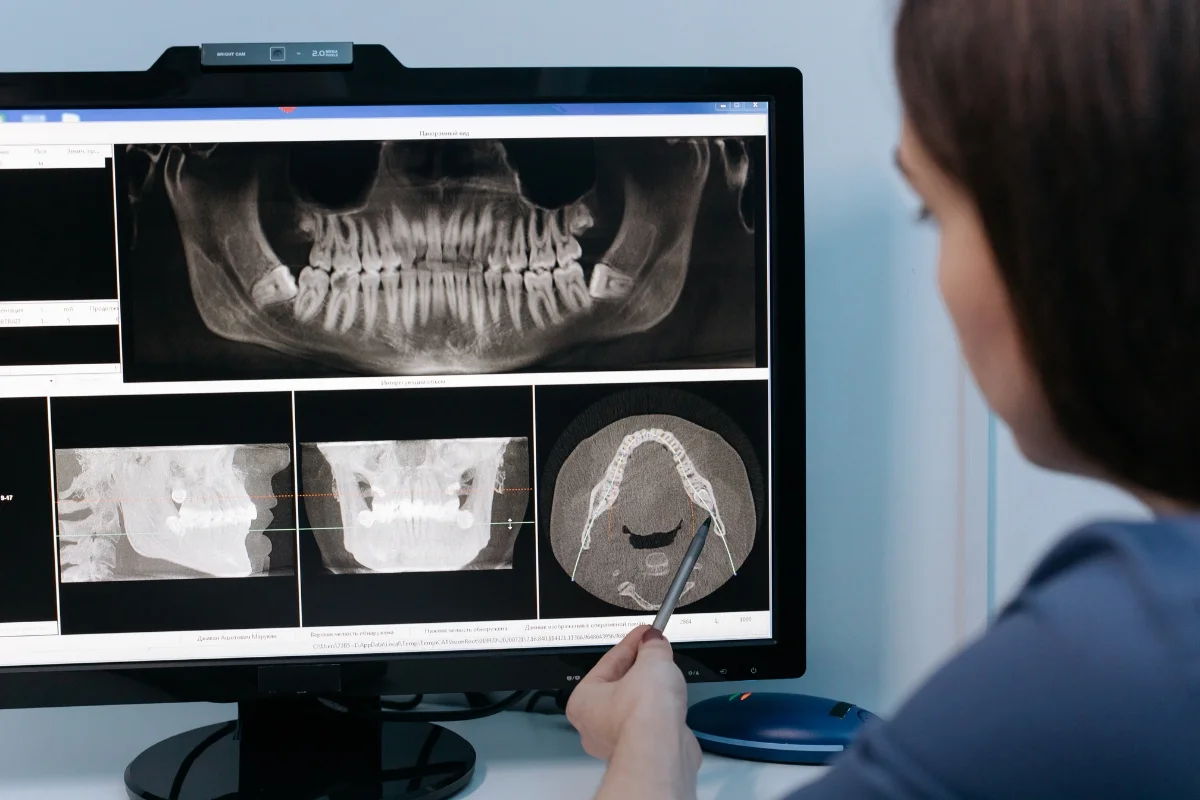
Your dentist will confirm the right approach after a clinical exam and X-rays. We'll always explain your options before proceeding.

Visit Our Clinic

Insurance and CDCP for Restorative Dentistry

Coverage varies by treatment; our team will help you understand exactly what's included before any work begins.

Many restorative treatments, including fillings, root canals, and extractions, are partially or fully covered under private dental insurance plans.

Mint 32 also accepts the Canadian Dental Care Plan (CDCP), which may cover certain restorative services for eligible patients. We offer direct billing and will work through your plan details before you commit to any treatment.

Restorative Dentist in North York

A Damaged Tooth Doesn't Have to Stay That Way

Our restorative team is ready to assess your situation and walk you through the right next step.


Request a Restorative Consultation

Frequently Asked Questions

Is a root canal painful?

With modern anaesthesia and technique, a root canal is no more uncomfortable than having a filling placed. Most patients are surprised by how straightforward it feels. Any post-procedure soreness typically resolves within a day or two.

How long do dental implants last?

With proper oral hygiene and regular cleanings, dental implants can last 20 years or more, and some last a lifetime. The crown portion may need replacement after 10–15 years, depending on wear.

Can a broken tooth always be saved?

In many cases, yes. The treatment depends on how much natural tooth structure remains and whether the root is intact. Our Mint 32 dentists will assess the tooth and advise whether a crown, root canal, or extraction is the best path.

Are dental crowns covered by CDCP?

CDCP coverage for crowns depends on your eligibility tier and the clinical indication. Our team will check your specific coverage and provide a clear treatment estimate before we begin.

What's the difference between a bridge and an implant?

A bridge is faster and less invasive; it uses neighbouring teeth as anchors. An implant is standalone, doesn't affect adjacent teeth, and preserves the jawbone. We'll discuss both options based on your specific situation.