Gum Disease Treatment in North York — Catch It Early, Keep Your Teeth

Gum disease is one of the most common oral health conditions in Canada. Roughly 80 percent of Canadians over 45 have some form of it, and many do not know it. At Mint 32 Dentistry, we screen for gum disease at every routine visit and provide treatment based on how far the condition has developed. The right care at the right stage makes a significant difference in what happens to your teeth long-term.


Book a Gum Health Assessment

Signs of Gum Disease

Gum disease often develops without pain, which is why routine checkups are the most reliable way to catch it early.

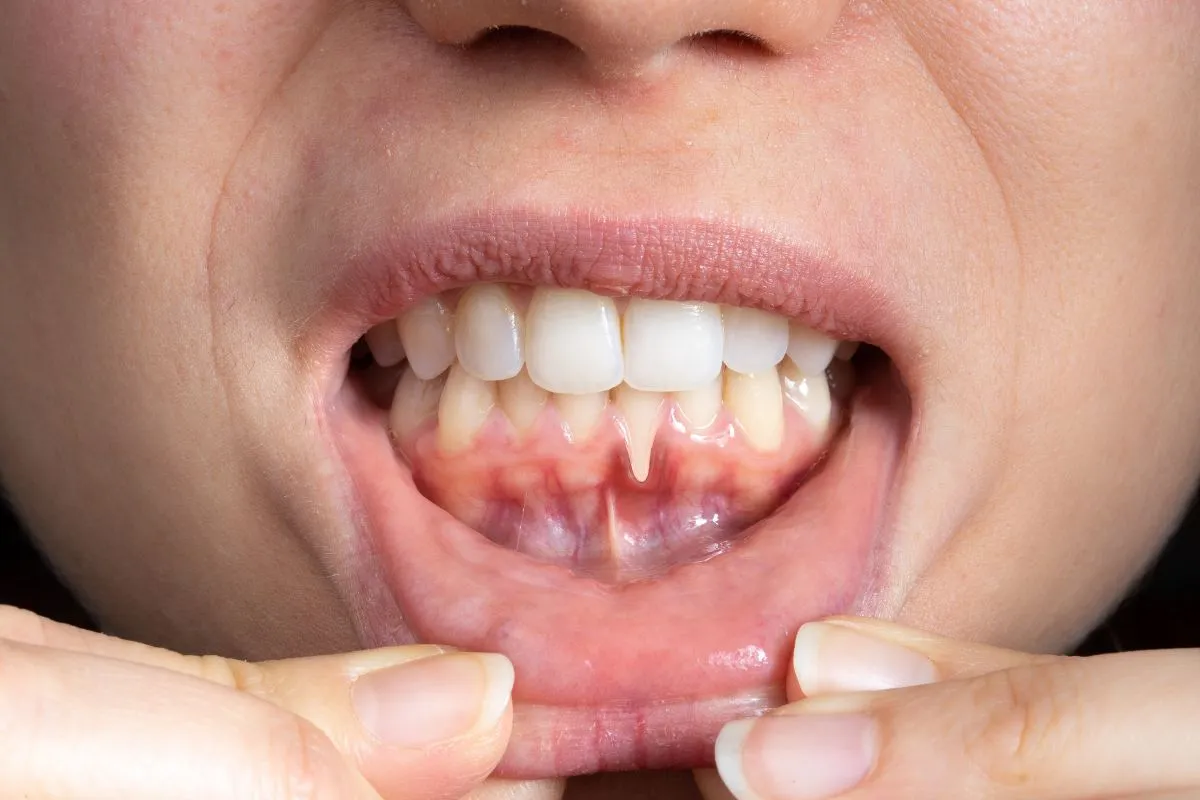
Signs that something may be wrong with your gum health:

  • Gums that bleed when you brush or floss.
  • Swollen, red, or tender gums.
  • Gums that are pulling away from your teeth.
  • Persistent bad breath that does not go away with brushing.
  • Teeth that feel loose or have shifted position.
  • Sensitivity along the gumline.

Any one of these symptoms is worth mentioning at your next appointment. Several together are a stronger signal that treatment is needed soon.


Signs of Gum Disease
How Gum Disease Is Diagnosed

Gingivitis Versus Periodontitis

Not all gum disease is the same. The stage determines the treatment.

  • Gingivitis is the early stage. The gums are inflamed and may bleed easily, but no bone loss has occurred yet. At this stage, the condition is fully reversible with professional cleaning and improved home care. Most patients respond well and quickly.
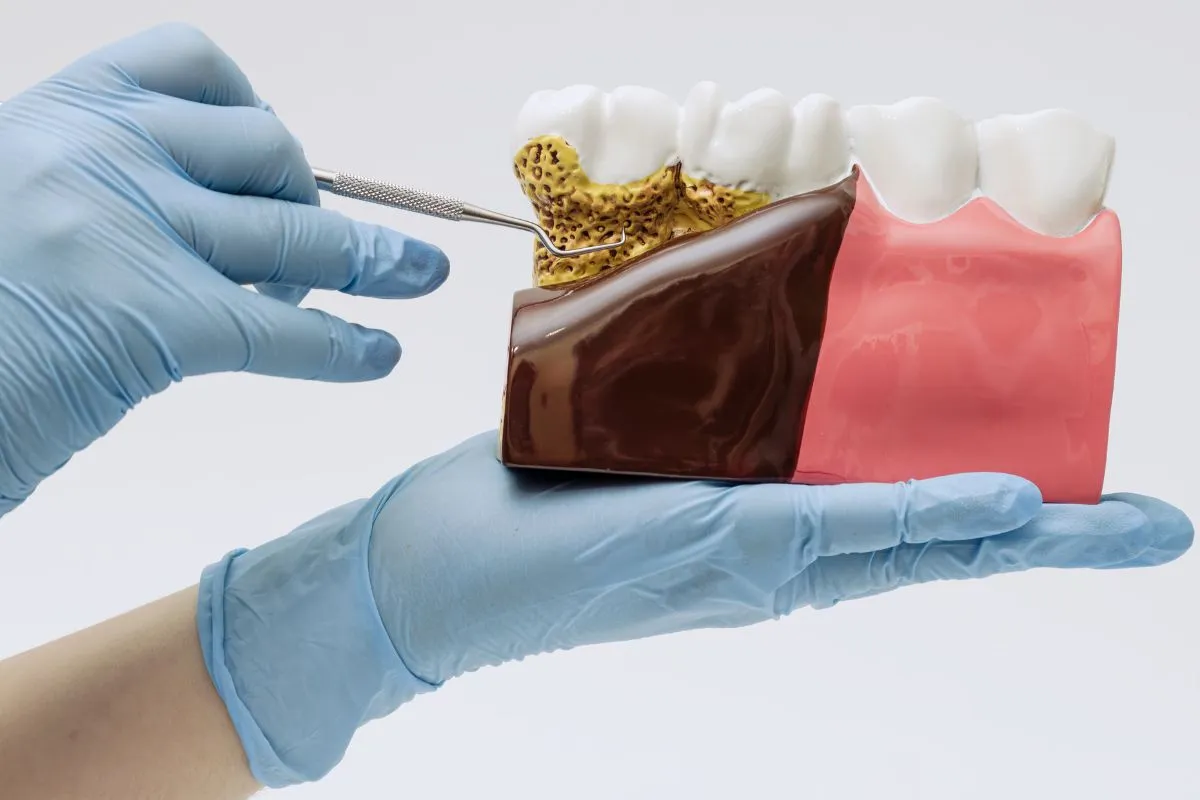
  • Periodontitis is the more advanced stage. The infection has spread below the gumline, causing damage to the bone and tissue that hold teeth in place. This stage cannot be fully reversed, but it can be stopped and managed with the right treatment and ongoing maintenance.


How Gum Disease Is Diagnosed

We assess gum health at every examination using a combination of clinical measurements and imaging.

Gum Measurements

Using a small probe, your dentist or hygienist measures the depth of the space between your gums and teeth at multiple points around each tooth. Healthy gums have shallow, stable pockets. Deeper pockets signal disease activity.

Bleeding Assessment

We note which sites bleed during probing. Active bleeding is a clinical sign of ongoing inflammation, not just sensitivity.

Dental X-rays

Digital X-rays allow us to see bone levels around each tooth, something that cannot be assessed by looking alone. Bone loss on the X-ray is one of the defining signs of periodontitis.

Non-Surgical Gum Treatment

Most gum disease is treated without surgery. Treatment depends on the stage

Professional Cleaning

For gingivitis and early periodontitis, a thorough professional cleaning removes the plaque and tartar that brushing cannot reach. This alone, combined with improved home care, is often enough to resolve gingivitis completely.

Scaling and Root Planing

For more established periodontitis, a deeper cleaning called scaling and root planing is needed. This procedure cleans below the gumline, removing tartar from the root surfaces and smoothing them to discourage bacteria from reattaching. Local anaesthetic is used so the procedure is comfortable.

Home Care Instruction

Every gum treatment plan includes guidance on brushing technique, flossing, and any tools that will help your specific situation. Home care is not optional — it determines how well treatment works and how long it holds.

Periodontal Maintenance

After active gum treatment, most patients switch to a maintenance schedule of every three to four months rather than the standard six-month interval. These visits monitor healing, remove new buildup before it causes harm, and keep the condition stable long-term.

What Happens After Treatment?

Most patients see meaningful improvement in gum health within a few weeks of treatment.

Gum tissue that was swollen and bleeding often becomes firm and pink again. Pockets become shallower. Bad breath linked to the infection typically resolves. The key to lasting results is consistent home care and not missing maintenance appointments.

When Specialist Referral May Be Needed

Mint 32 Dentistry handles the majority of gum disease cases in-house. In situations involving severe bone loss, advanced periodontitis, or surgical needs, we refer to a periodontist, a specialist in gum and supporting tissue treatment, and coordinate care to make the process straightforward for the patient.

Gum Disease Treatment

Gum Treatment and CDCP

The Canadian Dental Care Plan covers a range of eligible periodontal services including scaling and certain levels of root planing for qualifying patients. Some services may require prior approval. Our team will confirm your coverage and explain any patient portion before beginning treatment.

CDCP at Mint 32

Concerned About Your Gum Health? Let Us Take a Look.

Early treatment is always easier than advanced treatment. Book an assessment at our North York clinic today.


Preventive Dental Care

Frequently Asked Questions

Why do my gums bleed when I brush?

Bleeding gums are usually a sign of inflammation caused by plaque buildup at the gumline. It is the most common early sign of gingivitis.

Can gingivitis be reversed?

Yes. Gingivitis is fully reversible with professional cleaning and consistent home care. The key is catching it before it progresses to periodontitis, where bone loss has already occurred.

What is scaling and root planing?

It is a deep cleaning procedure that removes tartar and bacteria from below the gumline and smooths the root surfaces of the teeth. It is done under local anaesthetic and is the main non-surgical treatment for periodontitis.

Does a deep cleaning hurt?

The procedure is done with local anaesthetic, so you should feel pressure but not pain during treatment. Some soreness and sensitivity for a few days afterwards is normal and typically resolves quickly.

How frequently is periodontal maintenance needed?

After active gum treatment, most patients come in every three to four months for maintenance. This is more frequent than a standard cleaning because the goal is to keep bacteria from re-establishing below the gumline.

Can gum disease cause tooth loss?

Yes. Advanced periodontitis is one of the leading causes of adult tooth loss. The bone that holds teeth in place breaks down over time if the infection is not controlled. Early treatment prevents this outcome in the majority of cases.

Does CDCP cover eligible gum treatment?

Yes. Scaling and certain periodontal procedures are covered under CDCP for eligible patients. Our team confirms your specific coverage before treatment begins.