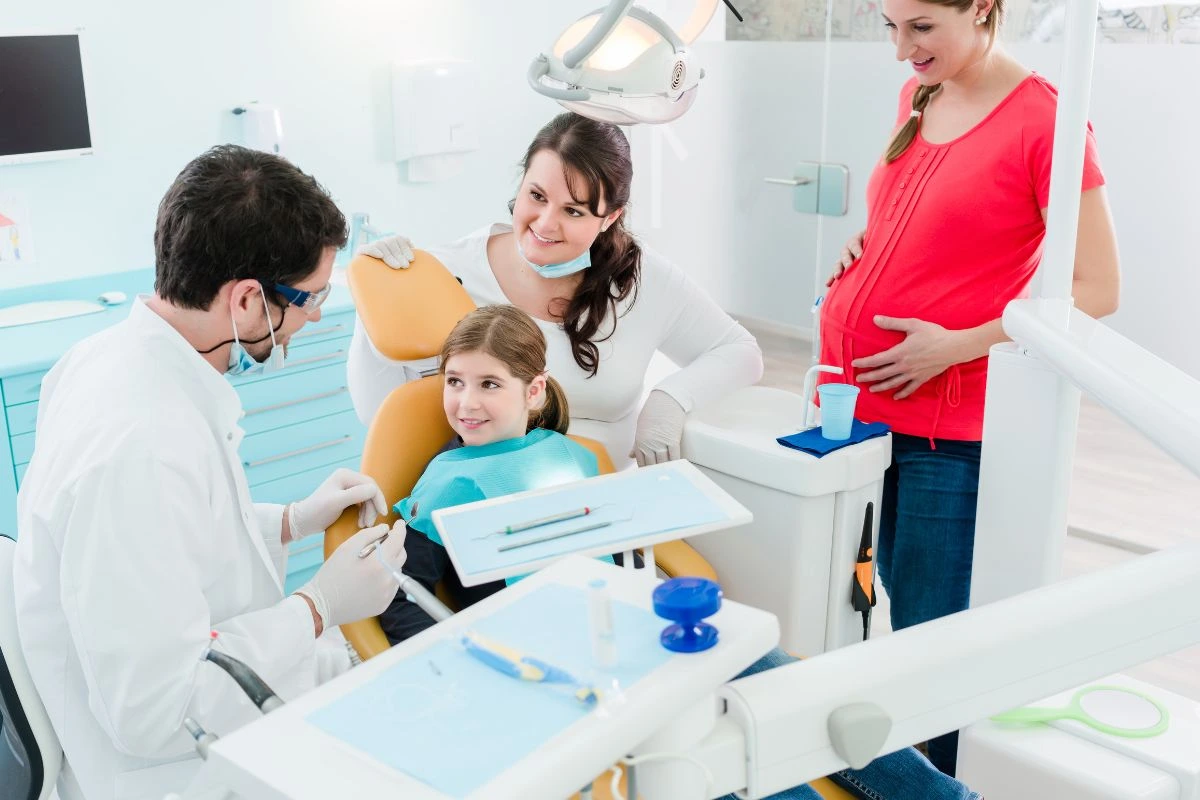
Children's Dentist in North York — Gentle Care From the First Tooth

The earlier a child starts visiting the dentist, the easier every future visit becomes. At Mint 32 Dentistry, our general dentists provide age-appropriate dental care for children from their very first tooth through their teenage years. We take a gentle, unhurried approach to help children feel safe, comfortable, and actually okay about coming back.

We accept CDCP coverage and private insurance for eligible children's services.


Book Your Child's First Appointment

When Should a Child First Visit the Dentist?

Starting early sets the foundation for a lifetime of healthy teeth. Most children should see a dentist sooner than parents expect.

Early Familiarization Visits

The Canadian Dental Association recommends a child's first dental visit within six months of their first tooth appearing, or by age one, whichever comes first. Early visits are usually short and gentle. We simply check the teeth, talk with parents about development, and help the child get used to the clinic environment.

First Tooth and Early Development

We check that teeth are coming in at the right positions, that the bite is developing normally, and that there are no early signs of decay. We also talk with parents about feeding habits, pacifier use, and brushing technique for very young children.

Regular Childhood Checkups

After the first visit, most children benefit from coming in every six months. These appointments are usually quick and relaxed once a child knows what to expect.

What Happens During a Child's Appointment?

Every appointment is paced to the child. We never rush.

A typical visit for a child includes:

  • A gentle dental examination of teeth and gums.
  • Professional cleaning when appropriate for the child's age.
  • A cavity risk assessment based on diet, hygiene, and tooth development.
  • A growth and development review to check how the teeth and jaw are forming.
  • A conversation with parents about home care and what to watch for.

If something needs treatment, we explain it in simple terms and discuss next steps before doing anything.


What Happens During a Child's Appointment

Preventing Cavities in Children

Cavities are the most common chronic condition in children, but most are preventable with the right habits started early.

Brushing With Fluoride Toothpaste

Children should brush twice a day with a soft-bristled toothbrush and a fluoride toothpaste. For children under three, use a rice-grain-sized amount. For children three to six, a pea-sized amount is right.

Flossing

As soon as two teeth touch, flossing should begin. Many parents find floss picks easier to use with younger children.

Food and Drink Habits

Frequent snacking, juice, and sugary drinks are among the biggest contributors to childhood cavities. We talk with parents about practical adjustments that make a real difference without making mealtimes a battle.

Regular Dental Visits

Nothing replaces professional cleaning. Even children who brush well develop plaque in areas a toothbrush cannot reach. Regular visits catch problems before they become bigger.

Fluoride and Dental Sealants

Two preventive treatments do a lot of work for children who are at higher risk of cavities.

Who May Benefit

Children with deep grooves in their back teeth, a history of cavities, or dietary habits that increase cavity risk are often good candidates for fluoride treatments and sealants.

How They Work

Fluoride treatments strengthen tooth enamel and make teeth more resistant to acid from bacteria. They are applied during a routine visit in about one minute. Dental sealants are thin protective coatings applied to the chewing surfaces of back teeth, where most childhood cavities occur. The application is quick, painless, and requires no needles.

How Long Sealants May Last

With normal wear, dental sealants can last several years. We check them at every routine visit and reapply if needed.

Treating Cavities in Children

When cavities do occur, treating them promptly prevents the decay from spreading and protects the developing permanent tooth beneath.

We use tooth-coloured fillings for children wherever possible. They look natural, bond well to the tooth, and require less removal of healthy tooth structure than older materials. If a child is anxious about a filling, we take extra time to explain each step and work at their pace.

Dental Fillings
Children's Dentist in North York

Helping Nervous Children Feel Comfortable

Some children come in nervous, and that is completely normal. Our approach is simple: go slow, explain everything, and make the child feel in control.

We welcome parents in the treatment room. We use plain language that children understand. We never proceed with a child who is distressed without pausing and resetting.

When Should a Child First Visit the Dentist

Children's Dental Emergencies

Children chip teeth, knock out teeth, and get toothaches too. When that happens, call us at 647-351-8338 as soon as possible. We keep same-day appointments available for urgent situations, for children and adults alike.

If a child knocks out a baby tooth, do not try to reinsert it. If a permanent tooth is knocked out, keep it moist (in milk or between the cheek and gum) and come in immediately.

Emergency Dentistry

CDCP and Private Coverage for Children

The Canadian Dental Care Plan covers a range of eligible dental services for children. Our team will confirm your child's active coverage and explain any co-payment before the appointment begins.

Most private insurance plans also include children's dental benefits. We offer direct billing to most major providers so you are not paying out of pocket and waiting for reimbursement.

CDCP Information

What Families Say About Mint 32

Hojin C.

⭐⭐⭐⭐⭐

"Dr Kimberly's professionalism and expertise truly stood out, making me feel at ease throughout the entire visit."

Stella C.

⭐⭐⭐⭐⭐

"The best dentist I ever had. Dr Liu was very patient and considerate in every step of my treatment."

Nan B.

⭐⭐⭐⭐⭐

"Dr Kim is hands down the best dentist I've ever had. She actually listens and takes the time to explain everything clearly."

Frequently Asked Questions

When should my child first see a dentist?

Within six months of the first tooth appearing, or by age one. Starting early helps catch problems before they develop and makes future visits much easier for the child.

How should I prepare my child for the first appointment?

Keep it simple and positive. Tell them they are going to meet someone who helps keep their teeth healthy. Avoid words like "hurt," "needle," or "drill." We take care of the rest when they arrive.

How often should children have dental checkups?

Every six months is the standard recommendation for most children. Some children with higher cavity risk may benefit from more frequent visits, which we will advise on after the first examination.

Does my child need fluoride treatment?

It depends on the child's cavity risk. We assess this at each visit and only recommend fluoride treatment when it is clinically appropriate.

What are dental sealants?

Dental sealants are thin protective coatings applied to the chewing surfaces of back teeth. They are quick, painless, and highly effective at preventing cavities in the grooves where most childhood decay starts.

Are dental X-rays sometimes necessary for children?

Yes, but only when clinically indicated. We do not take X-rays at every visit. When they are needed, we use digital X-rays that use significantly less radiation than older film-based systems.

Does CDCP cover eligible children's dental services?

Yes. CDCP covers a range of preventive and restorative services for eligible children. Our team confirms coverage before every appointment.