Dental Implants in North York — A Permanent Solution for Missing Teeth

A missing tooth affects more than your smile. It changes how you chew, how you speak, and over time, it affects the bone in your jaw. A dental implant is the closest modern dentistry can get to replacing a natural tooth from the root up. At Mint 32 Dentistry, we provide implant consultations and coordinate treatment to give you a result that looks, feels, and functions like a natural tooth.


Book an Implant Consultation
What Is a Dental Implant?

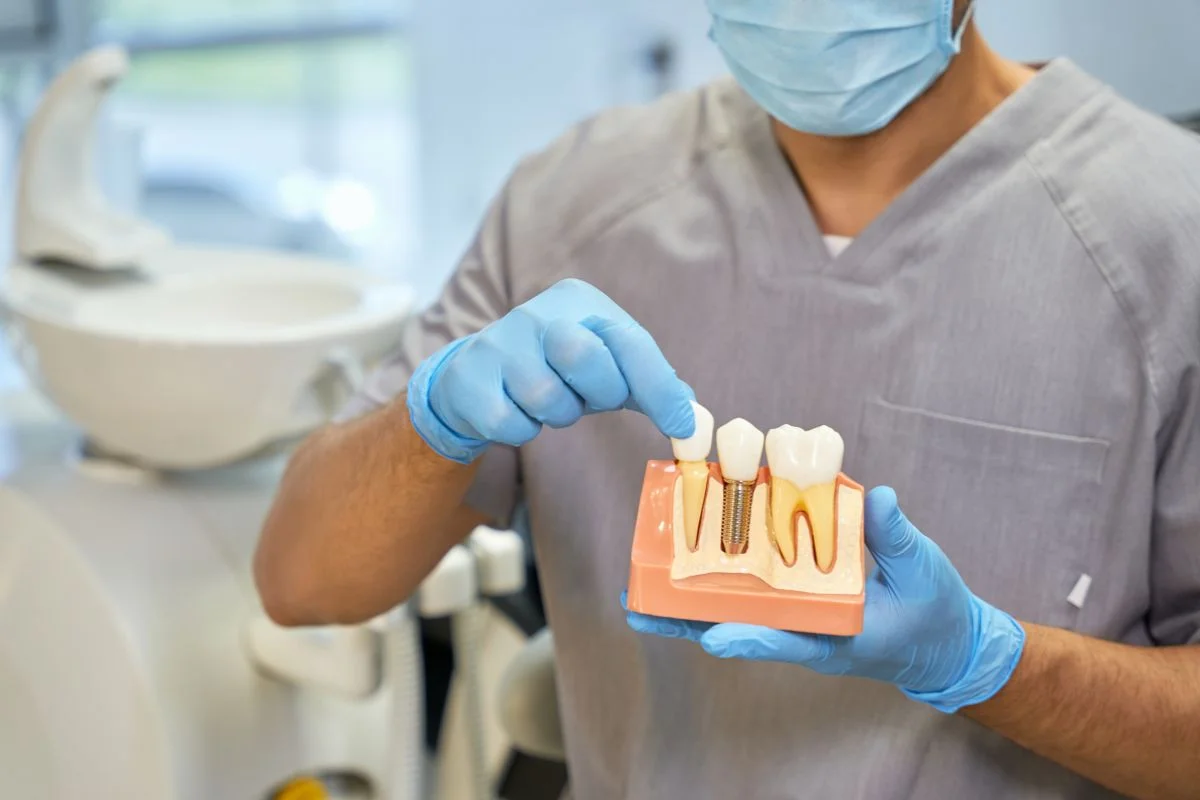
An implant is a small titanium post placed into the jawbone to act as a replacement tooth root. Three components work together to form the complete restoration.

Implant Fixture

The titanium post is surgically placed into the jawbone. Over a healing period of several months, it bonds with the bone through a natural process called osseointegration, becoming a stable, permanent anchor.

Abutment

Once the implant has healed, a connector piece called an abutment is attached to the top of the post. This provides the attachment point for the visible tooth portion.

Replacement Tooth

A custom-made crown, bridge, or denture is placed on the abutment. This is the part you see. It is fabricated to match the colour, shape, and size of your surrounding teeth.

What Is a Dental Implant

Who May Be a Candidate for Dental Implants?

Implants are not right for everyone. A thorough assessment is needed before treatment can be planned.

Gum Health

Active gum disease must be treated and stable before implant placement. Healthy gum tissue is essential for long-term implant success.

Gum Disease Treatment

Bone Support

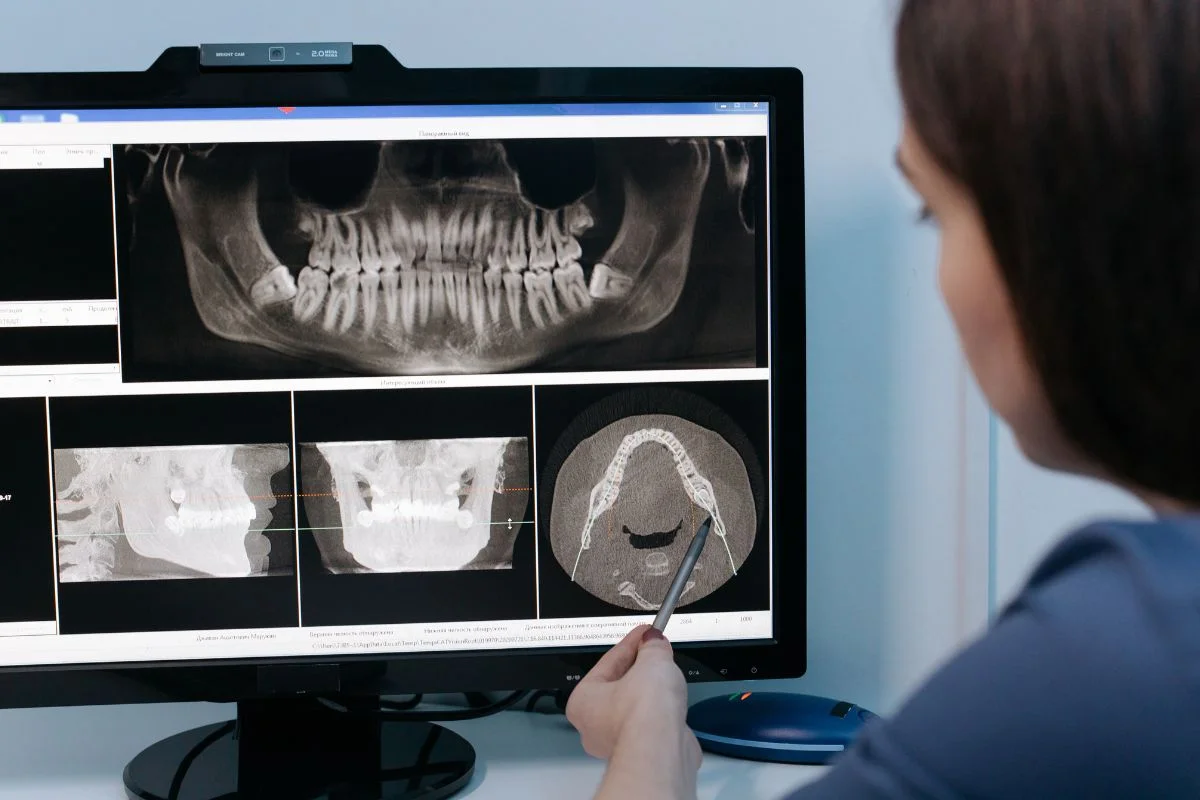
Sufficient bone volume and density are needed to anchor the implant securely. We assess bone levels using imaging at your consultation. If bone volume is insufficient, a bone graft may be needed before implant placement; we discuss this honestly if it applies to your case.

General Health

Certain health conditions and medications can affect how well the implant integrates with the bone. We review your medical history at the consultation to identify any relevant factors.

Smoking and Healing

Smoking significantly reduces implant success rates by affecting blood flow and healing. We discuss this openly with patients who smoke so they can make an informed decision.

Emergency Dentistry

Dental Implant Treatment Options

We discuss only the treatment options available at our clinic.

Single-Tooth Implant

One implant post topped with a single crown replaces a missing tooth completely without involving the adjacent teeth.

Implant-Supported Bridge

Two or more implants can support a bridge spanning several missing teeth, providing a fixed, non-removable restoration without relying on natural teeth as anchors.

Dental Bridges

Implant-Supported Denture

For patients missing all or most teeth in an arch, implants can be used to anchor a denture firmly in place, eliminating the slipping and discomfort associated with conventional removable dentures.

Dental Implants in North York

The Dental Implant Process

Implant treatment happens in stages. The full process from consultation to final restoration takes several months, with most of that time being healing rather than active treatment.

  1. Consultation and imaging — Clinical examination, X-rays, and discussion of treatment options and costs.
  2. Implant placement — The titanium post is placed into the jawbone under local anaesthetic.
  3. Healing period — The implant integrates with the bone over three to six months.
  4. Abutment placement — The connector is attached once integration is confirmed.
  5. Final restoration — The crown, bridge, or denture is fabricated and placed.

Dental Implant Recovery

Most patients manage implant placement recovery well with over-the-counter pain relief.

  • What to expect after placement:
  • Mild swelling and soreness for two to five days.
  • Soft food diet for the first week.
  • No smoking during the healing period.
  • Follow-up appointment to check healing progress.

Serious complications are uncommon when patients are properly assessed and follow post-operative instructions.


Dental Implant Treatment Options

Implants Versus Dental Bridges

Both replace missing teeth. The right choice depends on your specific situation, bone health, and preferences.

Factor Dental Implant Dental Bridge
Adjacent teeth affected No Yes — anchor teeth are prepared
Bone preservation Yes No
Longevity 20 years or more with care 10 to 15 years typically
Treatment duration Several months A few weeks
Cost Higher upfront Lower upfront

Dental Implant Cost and Insurance

Implant treatment involves multiple appointments and a laboratory cost, which means it is one of the more significant dental investments. The total cost depends on the number of implants, the type of restoration, and whether additional procedures such as bone grafting are needed.

Important CDCP note: The Canadian Dental Care Plan does not currently cover dental implants or implant-supported restorations. Bridges and dentures are covered alternatives for eligible patients. Some private insurance plans include partial implant coverage; we will check your specific plan at your consultation.

CDCP InformationPayment Options

Frequently Asked Questions

How long does the dental implant process take?

From the initial consultation to the final crown placement, the process typically takes four to nine months. Most of this time is the healing period after implant placement, not active treatment.

Is implant placement painful?

The procedure is done under local anaesthetic. Most patients report the experience as less uncomfortable than they expected. Post-operative soreness for a few days is normal.

How long do implants last?

With proper oral hygiene and regular dental visits, dental implants can last 20 years or more. Many last a lifetime. The crown on top may need replacement after 10 to 15 years depending on wear.

Can I get an implant after an extraction?

Yes, in most cases. Sometimes an implant can be placed immediately after extraction. In other cases, a healing period is recommended first. We assess this at your consultation.

What happens if I have bone loss?

If there is insufficient bone to support the implant, a bone graft may be needed before placement. We discuss this at the consultation if it applies to your situation.

Does CDCP cover dental implants?

No. CDCP does not currently cover dental implants or implant-related procedures. Bridges and dentures are the covered alternatives for eligible patients.