Dental Fillings in North York — Fix Cavities With Natural-Looking Results

A dental filling repairs a tooth that has been damaged by decay, a small crack, or a worn or broken existing restoration. At Mint 32 Dentistry, we use tooth-coloured composite fillings that blend naturally with your teeth: no metal, no dark spots, and no obvious signs that any work was done.

If you suspect a cavity or have a filling that needs replacing, the earlier you come in, the better. Small problems treated early stay small.


Book a Filling Appointment
When Might a Tooth Need a Filling?

Fillings are one of the most common dental treatments. Several different situations can make one necessary.

Tooth Decay

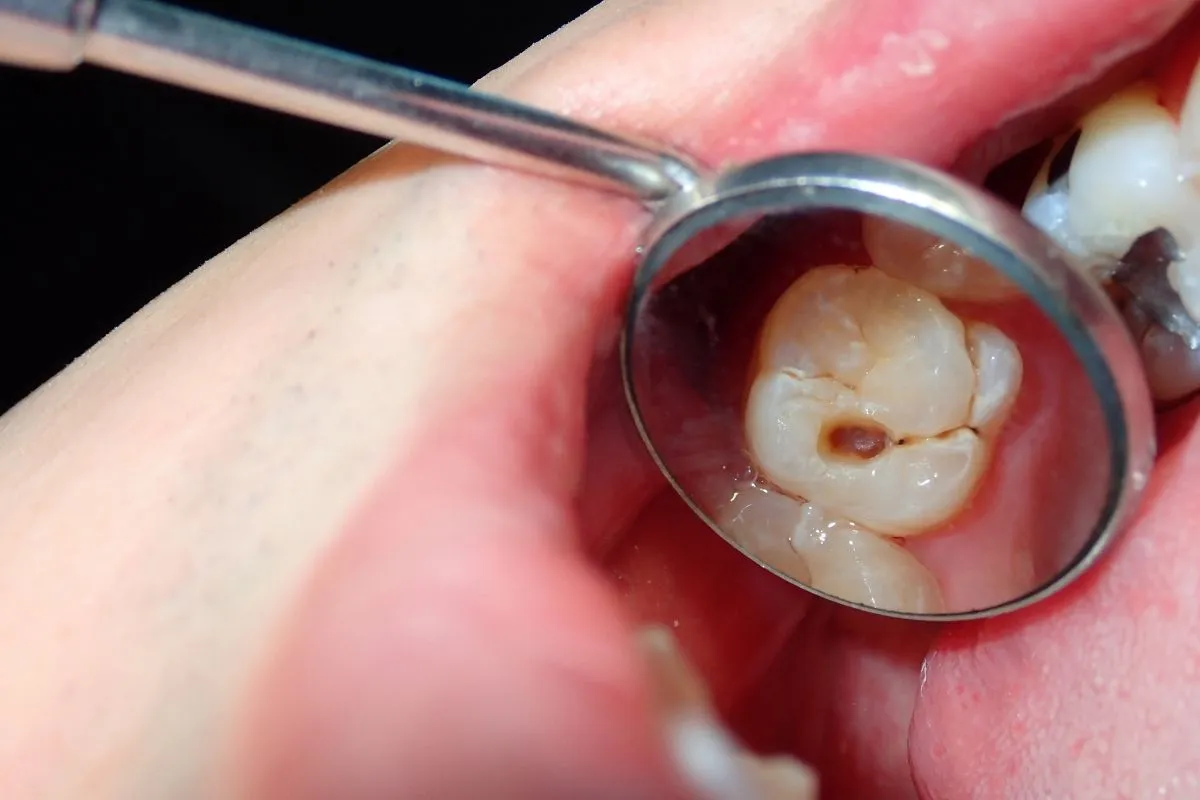
The most common reason for a filling is a cavity, an area where bacteria have eaten through the outer enamel of the tooth. Cavities do not always hurt in the early stages, which is why they are often found at routine checkups before a patient notices any symptoms.

Small Chips

A minor chip on the edge of a tooth can often be repaired with composite material shaped and polished to match the original tooth. The result is smooth, natural, and durable.

Worn Fillings

Older fillings, especially metal amalgam ones, wear down over time and eventually need replacement. A worn filling that is left in place can crack, leak, or allow new decay to form underneath.

Lost or Broken Fillings

If a filling falls out or breaks, the exposed tooth is vulnerable to decay and sensitivity. This is treated as an urgent situation; call us as soon as it happens.

Tooth-Coloured Composite Fillings

Prevention is the goal, but sometimes teeth need treatment. Here are the most common procedures we perform for families at Mint 32.

Appearance

Composite resin is matched to the shade of your natural tooth before placement. Once placed and polished, the filling is virtually invisible, even on front teeth.

Bonding to Tooth Structure

Unlike older metal fillings, composite bonds directly to the tooth. This means less healthy tooth structure needs to be removed during placement, and the restored tooth is structurally stronger as a result.

When Another Restoration May Be Recommended

Composite fillings work well for small to moderate cavities and chips. If the damaged area is very large, or if a tooth has cracked significantly, a filling may not provide enough strength. In those cases, a dental crown may be a better option.

Dental Crowns

What Happens During a Filling Appointment?

A standard filling appointment takes between 30 and 60 minutes depending on the size and location of the cavity.

Here is what to expect:

  1. Examination — Your dentist reviews the affected tooth clinically and with X-rays if needed.
  2. Local anaesthetic — The area is numbed so you feel pressure but no pain.
  3. Removal of decay — The damaged portion of the tooth is carefully removed.
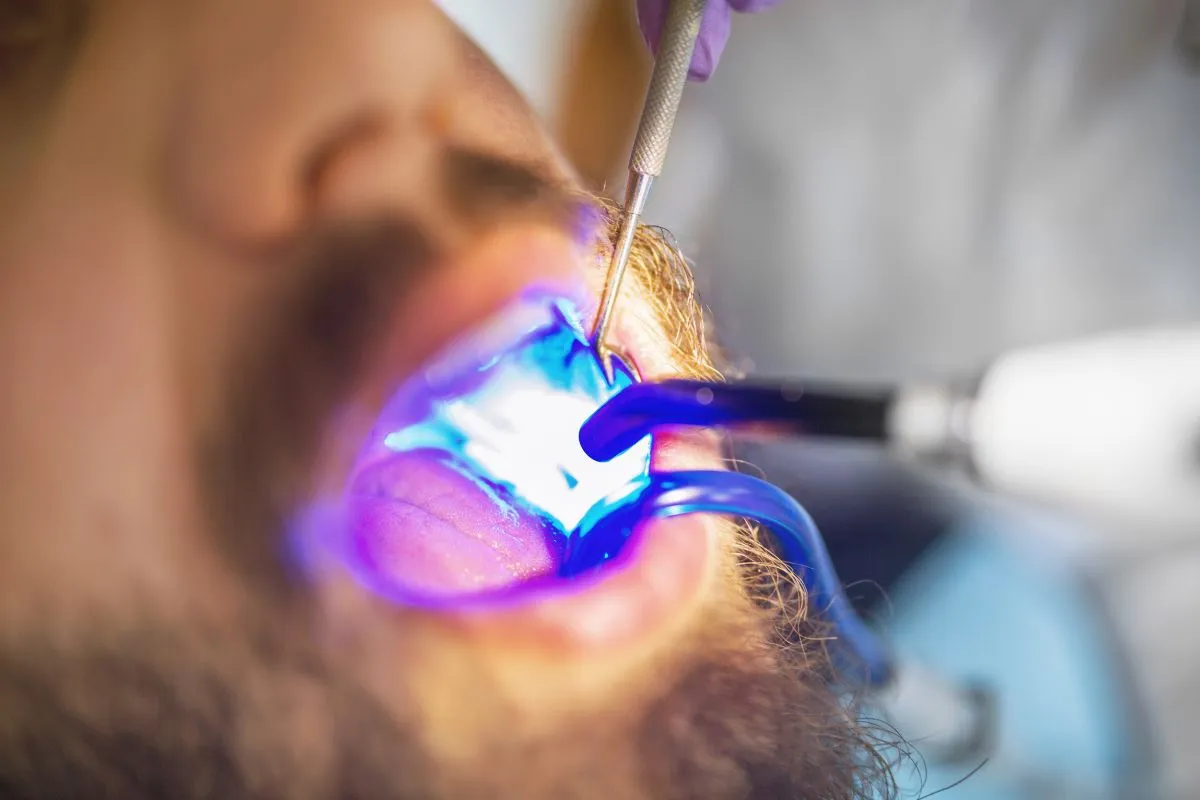
  4. Placement and shaping — Composite resin is applied in layers, shaped to match your natural tooth.
  5. Bite adjustment — Your dentist checks your bite and makes any fine adjustments.
  6. Polish — The filling is polished smooth for a natural finish.

You are usually in and out within an hour.

When Might a Tooth Need a Filling

Filling Versus Crown

Not every damaged tooth needs a crown. Not every damaged tooth can be fixed with a filling. Here is a simple way to think about it.

Situation Likely Treatment
Small to moderate cavity Composite filling
Minor chip on tooth edge Composite filling
Large cavity or significant crack Dental crown
Tooth after root canal treatment Crown recommended
Broken or failed old filling Assessed case by case

Your dentist will always explain which option applies to your situation and why.

Replacing an Old Filling

If you have old metal fillings, you do not necessarily need to replace them right away. We assess the condition of existing fillings at every routine visit. A filling that is cracked, leaking, or showing decay underneath should be replaced promptly. One that is in good condition can stay.

When replacement is needed, we remove the old material and place a tooth-coloured filling in the same appointment.

Dental Fillings in North York

Cost and Coverage for Dental Fillings

CDCP and Dental Fillings

Dental fillings are among the restorative services covered under the Canadian Dental Care Plan for eligible patients. Coverage depends on the tooth involved, the material used, and frequency limits in the current Benefits Guide. Our teamconfirms your coverage and provides a written estimate before starting.

CDCP at Mint 32

Have a Cavity or a Broken Filling? Come See Us.

We will assess the tooth and take care of it cleanly and efficiently at our North York clinic.


Restorative Dentistry

Frequently Asked Questions

How long does a filling appointment take?

Most filling appointments take between 30 and 60 minutes. Larger cavities or multiple fillings in one visit may take a little longer.

Does getting a filling hurt?

No. The area is numbed with local anaesthetic before any work begins. You may feel pressure or vibration, but you should not feel pain. Let your dentist know immediately if you do.

How long do composite fillings last?

With good oral hygiene and regular checkups, composite fillings typically last 7 to 10 years or more. The lifespan depends on the size of the filling and where it is in the mouth.

When can I eat after a filling?

With composite resin, you can eat as soon as the anaesthetic wears off — usually within an hour or two. Avoid very hot or cold foods for the first 24 hours if you experience sensitivity.

When is a crown better than a filling?

A crown is recommended when the tooth does not have enough remaining structure to support a filling reliably. Your dentist will advise on this after examining the tooth.

Does CDCP cover eligible fillings?

Yes. Dental fillings are a covered service under CDCP for eligible patients, subject to frequency and material guidelines. We confirm your specific coverage before starting any work.