Wisdom Teeth Removal in North York — Assessment, Advice, and Comfortable Care

Wisdom teeth do not always cause problems. But when they do, the symptoms can escalate quickly: pain, swelling, infection, and damage to neighbouring teeth. At Mint 32 Dentistry, we assess wisdom teeth using X-rays and clinical examination, give you an honest recommendation, and where appropriate, carry out removal at our North York clinic. Cases requiring specialist referral are coordinated promptly and without delay.


Book a Wisdom Teeth Assessment

What Are Wisdom Teeth?

Wisdom teeth are the third molars, the last teeth to develop, usually emerging between the ages of 17 and 25. Most adults have four of them, one in each corner of the mouth. Some people develop fewer, and in some cases they never emerge at all.

The problem is space. Modern jaws often do not have enough room for these additional teeth to come in straight and fully. When wisdom teeth cannot erupt normally, they become impacted, stuck beneath the gum, emerging at an angle, or only partially through the surface.

What Are Wisdom Teeth

Signs of a Wisdom Tooth Problem

Not every wisdom tooth needs to come out. But these signs suggest one is causing trouble.

Pain

Aching or pressure at the back of the jaw is often the first sign. The pain may come and go initially but tends to worsen if the underlying cause is not addressed.

Swelling

Swelling in the gum around a partially erupted wisdom tooth is a common sign of inflammation or infection. Left untreated, this can spread.

Recurrent Gum Infection

A partially erupted wisdom tooth creates a pocket where food and bacteria collect easily. This leads to repeated infections in the gum tissue around the tooth, known as pericoronitis.

Tooth Decay

Wisdom teeth are difficult to clean properly because of their position at the back of the mouth. Cavities on wisdom teeth, and sometimes on the neighbouring second molar, are common in patients with limited space.

Damage to the Adjacent Tooth

An impacted wisdom tooth pressing against the root of the neighbouring second molar can cause significant damage to that tooth over time, sometimes requiring its removal as well.

Do All Wisdom Teeth Need Removal?

No. Wisdom teeth that have erupted fully, are in good position, and can be cleaned effectively do not need to be removed.

We assess each wisdom tooth individually. Some patients monitor their wisdom teeth for years without issues. Others need removal promptly. The recommendation depends on your specific situation.

Do All Wisdom Teeth Need Removal

How Wisdom Teeth Are Evaluated

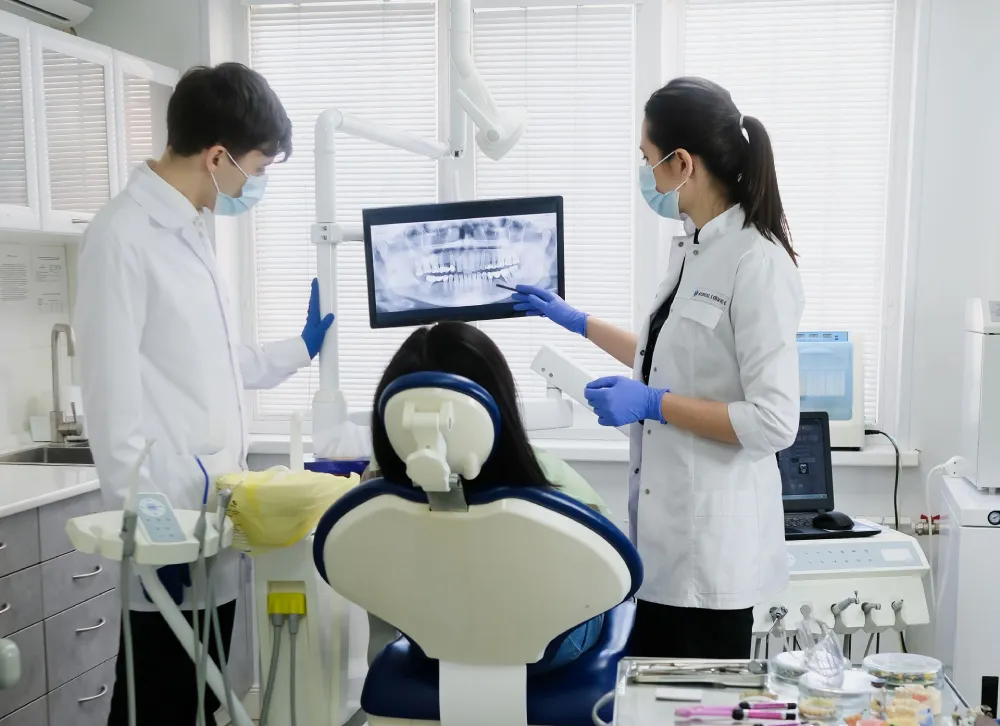
We do not recommend removal without proper imaging and examination.

Examination

We check for swelling, gum pocket depth around the wisdom tooth, and signs of decay on the wisdom tooth and the tooth in front of it.

Panoramic X-ray

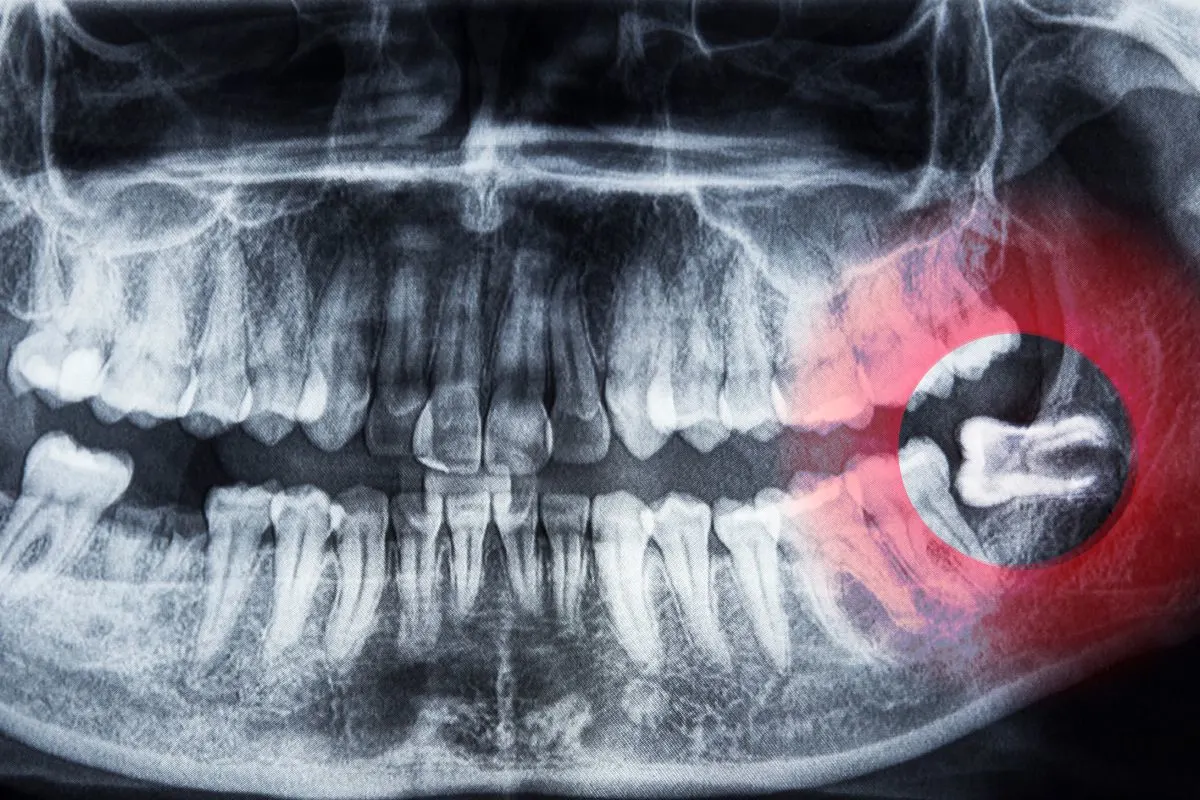
A panoramic X-ray shows all wisdom teeth, their angles, their root development, and their relationship to surrounding structures including the nerve canal in the lower jaw.

Position and Impaction

We classify each wisdom tooth by how it is positioned and whether it is fully erupted, partially erupted, or fully impacted beneath the gum.

Nerve Proximity

For lower wisdom teeth, the proximity of the roots to the inferior alveolar nerve is assessed carefully. This affects the approach to removal and whether specialist referral is appropriate.

Wisdom Teeth Removal in North York

What Happens During Removal?

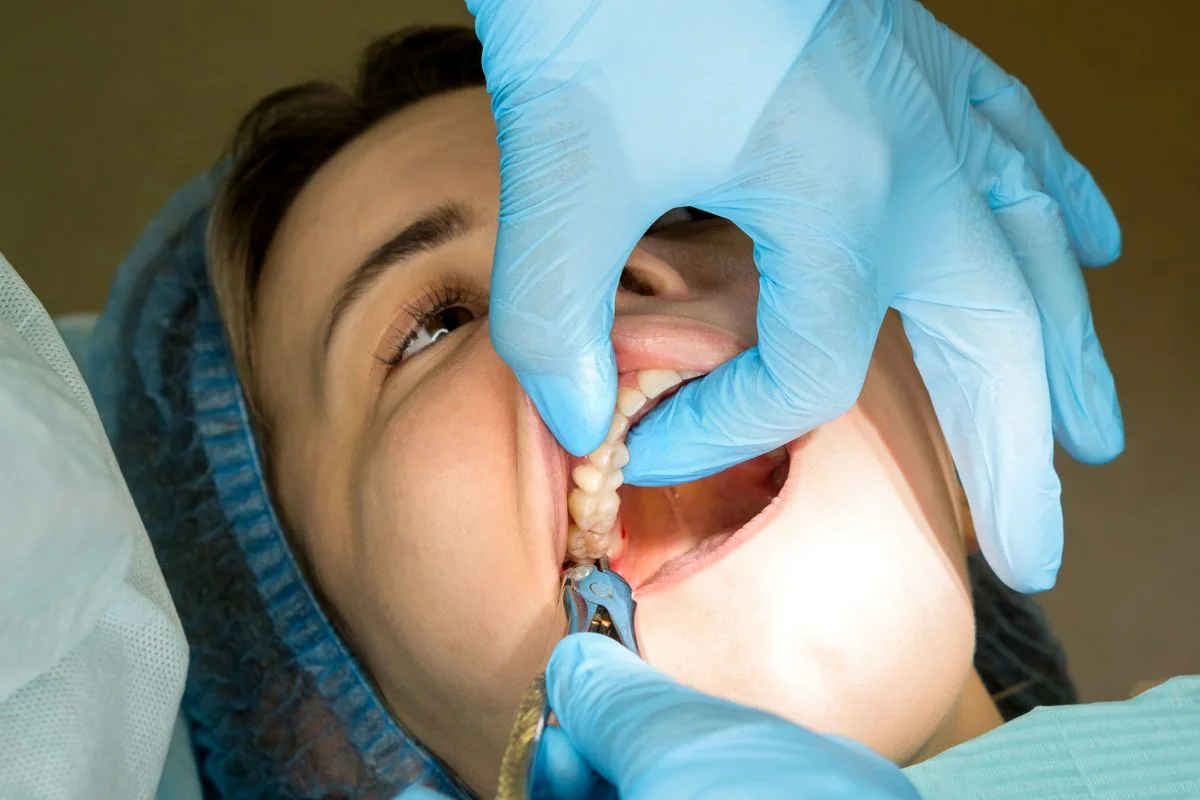
Simple, fully erupted wisdom teeth are removed much like any other extraction, under local anaesthetic, typically within 15 to 30 minutes.

Partially erupted or impacted wisdom teeth involve a surgical approach: an incision in the gum, possible removal of a small amount of bone, and sometimes sectioning the tooth into pieces for easier removal. This is still done under local anaesthetic in most cases.

Treatment at Mint 32 or Specialist Referral

Straightforward wisdom tooth removals are performed at our North York clinic. Complex cases,   particularly deeply impacted lower wisdom teeth with close proximity to the nerve, are referred to an oral surgeon. We coordinate this referral and remain involved in your care.


Wisdom Teeth Recovery

Most patients recover well within three to five days for simple extractions. Surgical removals may take five to seven days before the most significant discomfort passes.

Recovery tips:

  • Keep gauze on the socket and change it as needed in the first few hours.
  • Apply a cold compress to the cheek to manage swelling in the first 24 hours.
  • Eat soft foods for the first few days: soups, yogurt, mashed foods.
  • Avoid straws, smoking, and alcohol during healing.
  • Rinse gently with warm salt water from day two onward.


Wisdom Teeth Removal
When to Contact your Dentist Urgently After Wisdom Tooth Removal

When to Contact Us Urgently After Removal

Call us promptly if you experience:

  • Bleeding that does not slow with firm pressure after 45 minutes.
  • Severe pain worsening after day two or three (possible dry socket).
  • Swelling that is increasing rather than improving after 48 hours.
  • Fever or signs of spreading infection.


CDCP and Wisdom Tooth Treatment

Wisdom tooth assessments and extractions may be covered under the Canadian Dental Care Plan for eligible patients, depending on the complexity of the procedure. Surgical extractions may require preauthorization. Our team confirms your coverage and provides a written estimate before proceeding.

CDCP Information

Frequently Asked Questions

Do all wisdom teeth need to be removed?

No. Wisdom teeth that are fully erupted, well-positioned, and healthy do not need removal. We assess each tooth individually and only recommend extraction when there is a clinical reason.

What does an impacted wisdom tooth feel like?

Common symptoms include aching or pressure at the back of the jaw, swelling in the gum, difficulty opening the mouth fully, and repeated infections. Some impacted wisdom teeth cause no symptoms until damage is found on an X-ray.

How long does recovery take?

Most patients feel significantly better within three to five days after a straightforward removal. Surgical removals may take five to seven days for the worst discomfort to pass. Full tissue healing takes two to four weeks.

When can I return to school or work?

Most patients return to normal activities within two to three days for simple removals. After surgical extractions, plan for three to five days of reduced activity.

Will I need referral to an oral surgeon?

Straightforward cases are handled at our clinic. Complex impactions, particularly involving the lower jaw nerve, are referred to an oral surgeon. We coordinate this and stay involved in your care throughout.

Does CDCP cover eligible wisdom tooth removal?

Yes. Extractions including surgical ones may be covered under CDCP for eligible patients. Some complex cases require preauthorization. We confirm your coverage before booking the procedure.