Dental Bonding in North York — A Fast Fix for Chips, Gaps, and Uneven Teeth

Composite bonding is one of the most practical cosmetic dental treatments available. It repairs and reshapes teeth using tooth-coloured resin applied directly to the tooth surface- no lab, no waiting, no needles in most cases. At Mint 32 Dentistry, bonding is completed in a single appointment, and the results look completely natural.


Book a Bonding Appointment
What Is Composite Bonding?

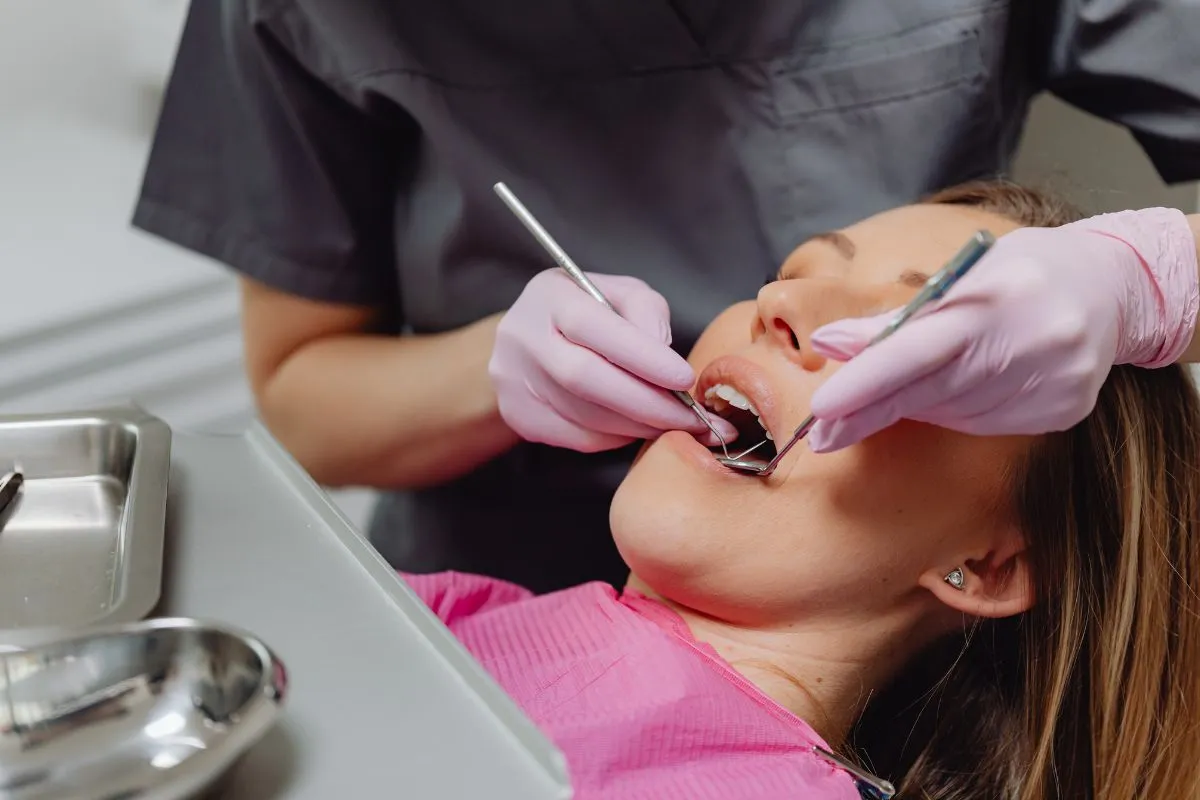
Composite bonding uses the same tooth-coloured resin material as a filling, applied to the outside of a tooth rather than inside a cavity. Your dentist shapes and sculpts the resin by hand to match the desired result, then hardens it with a curing light and polishes it smooth.

No impressions, no laboratory, and in most cases no anaesthetic is needed, because no part of the natural tooth is being cut or drilled.

What Is Composite Bonding

Problems Bonding Can Improve

Bonding works well for specific cosmetic concerns, particularly on front teeth where appearance matters most.

Small Chips

A chip on the edge of a front tooth is one of the most common reasons patients ask about bonding. The resin rebuilds the missing portion and is polished to match the surrounding tooth surface.

Uneven Edges

Teeth that are slightly different lengths or have rough, uneven edges can be smoothed and evened out with a small amount of composite resin.

Minor Gaps

A small gap between two front teeth can be reduced or closed by adding resin to the sides of the adjacent teeth, making them slightly wider.

Localized Discolouration

A single tooth that is noticeably darker or more stained than its neighbours can be covered with bonding when whitening alone is not sufficient.

Small Shape Changes

Teeth that are slightly too narrow, pointed, or irregular in shape can be built out with composite resin to improve overall symmetry.

What Happens During a Bonding Appointment?

Most bonding appointments take between 30 and 60 minutes per tooth and are completed in a single visit.

  1. Your dentist selects a resin shade that matches your natural tooth colour.
  2. The tooth surface is lightly conditioned to help the resin adhere.
  3. The composite resin is applied in layers and shaped by hand.
  4. A curing light hardens each layer.
  5. The bonded area is polished to a smooth, natural finish.

You leave with the result in place the same day.


What Happens During a Bonding Appointment
Dental Bonding

How Long Does Bonding Last?

Composite bonding typically lasts three to five years before it may need touching up or replacing.

  • Longevity depends on:
  • Where the bonding is located in the mouth.
  • How much biting force the bonded tooth is exposed to.
  • Diet and lifestyle habits: coffee, tea, and tobacco can stain composite resin over time.
  • How consistently you attend routine checkups where we can monitor the bonding.

Repairing or Replacing Bonding

If bonded resin chips or stains over time, it can be repaired or redone relatively easily. Because no enamel is removed during the original bonding, the tooth remains unaltered underneath, which means future treatment options stay open, including switching to a veneer later if preferred.


Bonding and Teeth Whitening

Composite resin does not respond to whitening gel the same way natural enamel does. If you are considering both bonding and whitening, whitening should be done first; once the desired shade is reached, the bonding resin can be matched to that lighter shade.


Dental Bonding in North York

Bonding Versus Veneers

Both improve tooth appearance. The decision comes down to how many teeth are involved, how long you want results to last, and how much change you want to make.

Factor Bonding Veneers
Appointments 1 2 to 3
Enamel removal Usually none Small amount required
Cost Lower Higher
Longevity 3 to 5 years 10 to 15 years
Stain resistance Moderate High (porcelain)
Best for Single chips, minor gaps Multiple front teeth, major change

For a single chipped tooth or a small cosmetic concern, bonding is usually the right choice. For a more comprehensive smile change, veneers may produce a better long-term result.


Dental Veneers

Frequently Asked Questions

Does dental bonding damage the tooth?

No. Bonding does not remove or damage natural tooth structure. The surface is lightly conditioned to help the resin adhere, but the tooth itself remains intact.

How long does bonding last?

Three to five years is typical for most patients. With good oral hygiene and avoiding habits like nail biting or biting hard objects, some bonding lasts longer.

Does bonding stain?

Composite resin can pick up staining from coffee, tea, red wine, and tobacco over time. It does not stain as easily as natural teeth but is more susceptible to discolouration than porcelain veneers.

Can bonded teeth be whitened?

Whitening only affects natural tooth enamel. The bonded resin will not change colour. If you want to whiten your teeth and have bonding on a visible tooth, whiten first and then have the bonding replaced to match the new shade.

Is bonding less expensive than veneers?

Yes. Bonding is significantly less expensive per tooth than porcelain veneers, though it may need replacing more often. For minor corrections, it offers excellent value.