Full and Partial Dentures in North York — Replace Missing Teeth and Restore Your Smile

Losing multiple teeth, or all of them, affects how you eat, speak, and feel about your appearance. Dentures are a time-tested, accessible way to restore that function and confidence. At Mint 32 Dentistry, we provide full and partial denture consultations at our North York clinic and work with each patient to find the most comfortable and suitable option for their situation.


Book a Denture Consultation

Types of Dentures

The right denture depends on how many teeth are missing, the condition of your remaining teeth and gums, and your lifestyle.

Full Dentures

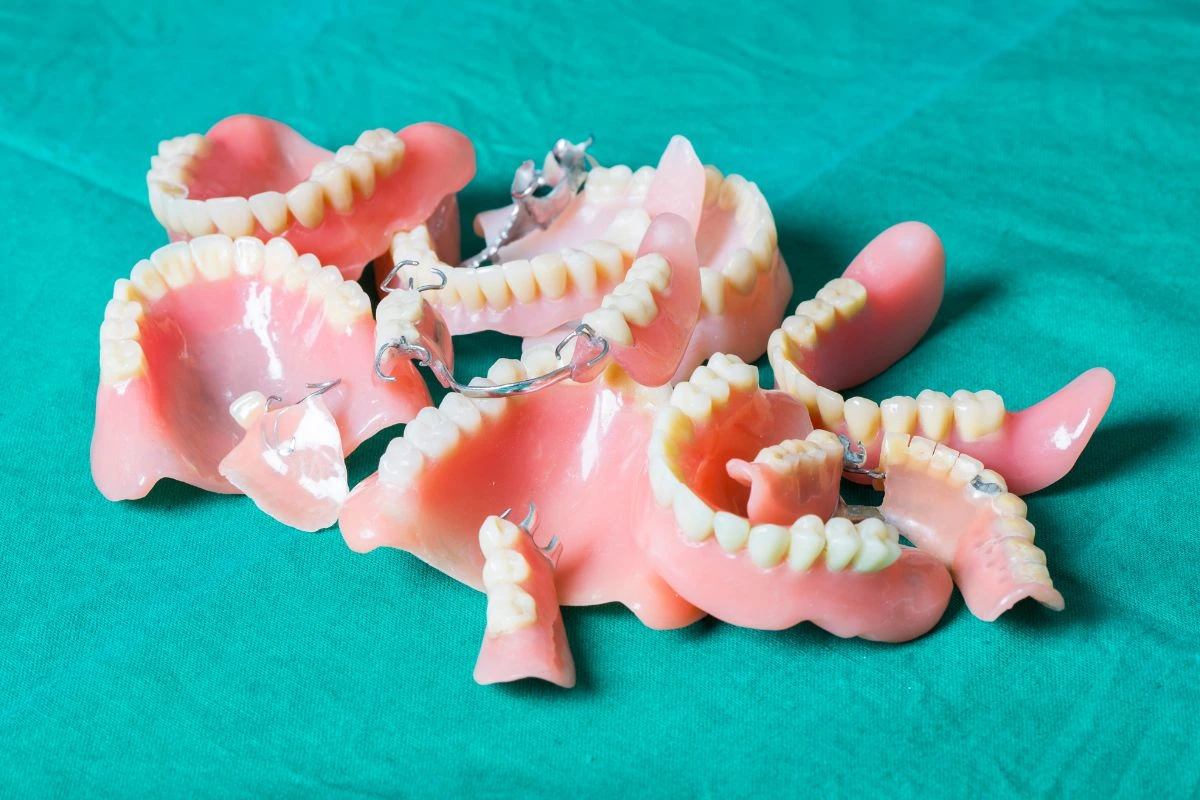
A complete denture replaces all teeth in the upper arch, lower arch, or both. It rests on the gum tissue and is held in place by suction and the natural contours of the mouth. Full dentures are custom-fabricated to fit your jaw and are shaded to look natural.

Partial Dentures

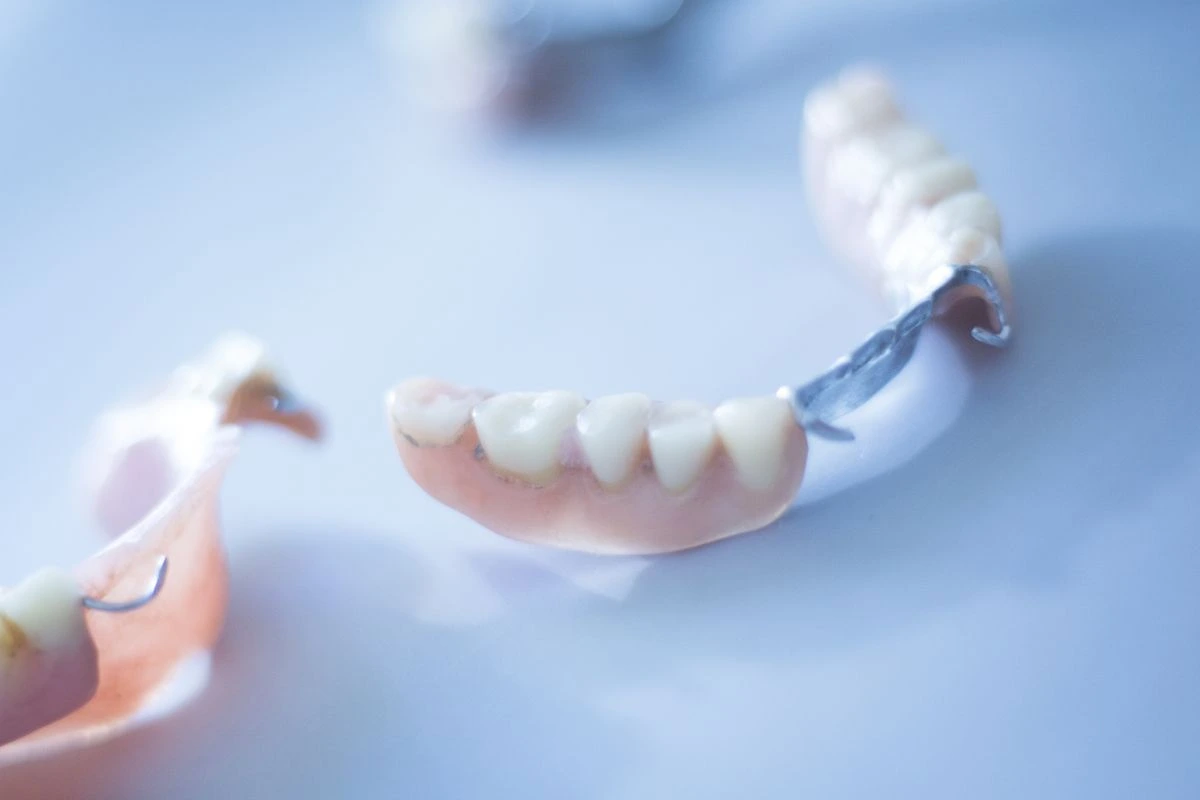
A partial denture fills the gaps left by several missing teeth while your remaining natural teeth stay in place. It clips onto existing teeth using clasps and is removed for cleaning. Partials prevent remaining teeth from shifting into the gaps left by missing ones.

Immediate Dentures

An immediate denture is placed on the same day teeth are extracted so you are never without teeth during healing. Some adjustment and relining is typically needed afterwards as the gums change shape during the healing period.

Implant-Supported Dentures

If you want a denture that stays firmly in place without adhesive, implant-supported dentures anchor to dental implants placed in the jawbone. They offer significantly more stability than conventional dentures. We assess whether this option is suitable at your consultation.

Dental Implants

Who May Need Dentures?

Dentures are considered when several or all teeth are missing and other fixed options like bridges or implants are not chosen or are not suitable.

Patients who may benefit from dentures:

  • Those who have lost multiple teeth due to decay, gum disease, or injury.
  • Those who have already had all teeth extracted.
  • Those who want a more affordable tooth replacement option than implants.
  • Those whose remaining teeth are in poor condition and extraction has been recommended.

Your dentist will assess your gum and bone health before recommending any type of denture.


Who May Need Dentures

The Denture Process

Getting dentures takes several appointments over a few weeks. Each step matters for the final fit.

Assessment

Your dentist examines your mouth, measures your jaw, and discusses which type of denture is appropriate. X-rays may be taken to assess remaining bone and root structure.

Impressions

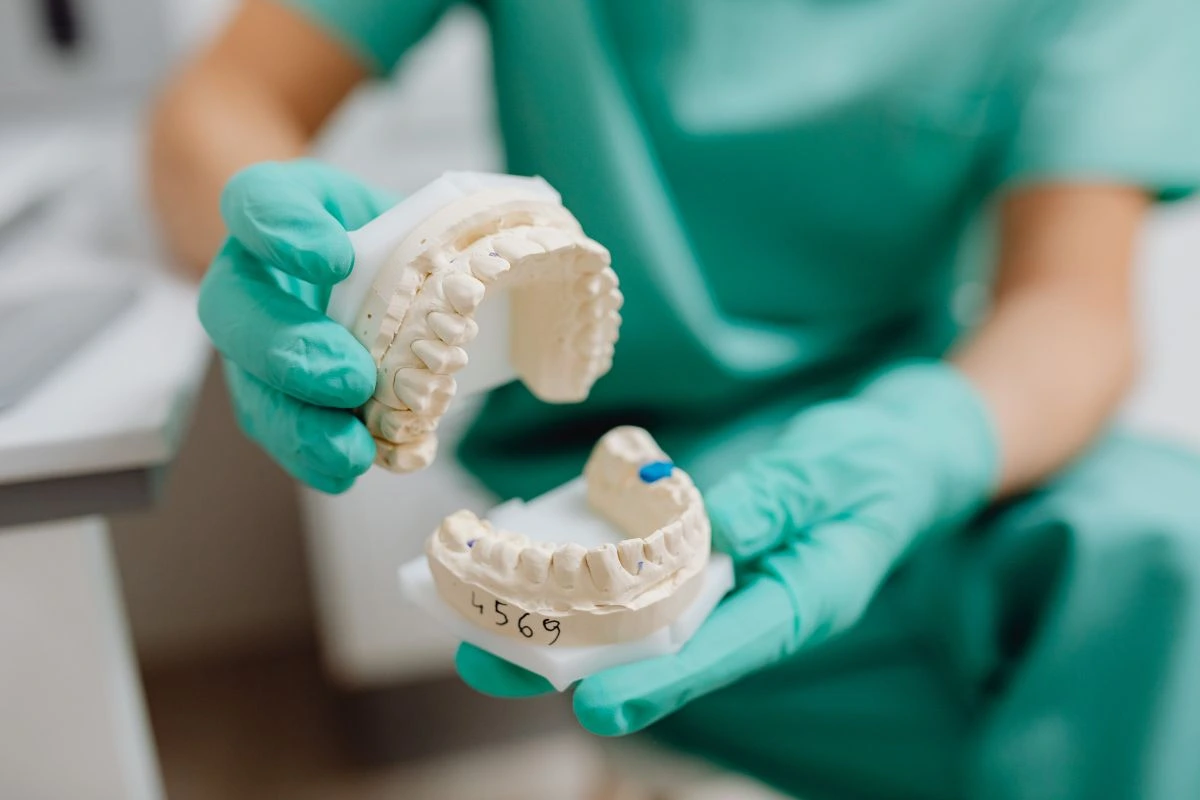
Precise impressions of your mouth are taken and sent to a dental laboratory where your custom denture is fabricated. Getting these impressions right is what determines how well the denture fits.

Fitting

When the denture is ready, we check the fit, bite, and appearance. Minor adjustments are made at this appointment.

Adjustments

Most patients need one or two follow-up adjustments after the initial fitting as the mouth adapts. This is normal and expected; do not hesitate to call us if something feels uncomfortable.

Getting Used to New Dentures

New dentures take some adjustment. Most patients adapt fully within a few weeks.

What to expect in the first few weeks:

  • Mild soreness or pressure in areas where the denture contacts the gum.
  • Slight changes to speech as your tongue and lips adjust.
  • Increased saliva production that settles within a few days.
  • Some adjustment needed with eating; start with soft foods and cut them into small pieces.

These experiences are temporary. If soreness persists or the denture feels significantly loose or painful, contact us for an adjustment appointment.


Types of Dentures
Restorative Dental Treatments

Cleaning and Caring for Dentures

Proper care keeps dentures looking and feeling their best and prevents gum irritation.

  • Remove and rinse dentures after meals.
  • Brush dentures daily with a soft brush and denture cleaner, not regular toothpaste, which is too abrasive.
  • Soak dentures overnight in water or a denture-soaking solution.
  • Brush your gums, tongue, and the roof of your mouth before inserting the denture each morning.
  • Handle dentures over a folded towel or basin of water; they break easily if dropped.


Cleaning and Caring for Dentures

Dentures are not permanent. They require maintenance and eventually need replacement.

  • Repairs — A broken or cracked denture can often be repaired. Do not try to fix it yourself with adhesive. Bring it in as soon as possible.
  • Relines — As gum tissue changes over time, dentures can become loose. A reline adds new material to the fitting surface so the denture sits snugly again. Most dentures need relining every few years.
  • Replacement — Most dentures last five to eight years before the fit and function decline enough to warrant replacement.

Full and Partial Dentures in North York

Dentures Versus Implants

Both replace missing teeth. The right choice depends on your bone health, budget, and personal preference.

Factor Dentures Dental Implants
Cost Lower upfront Higher upfront
Stability Relies on suction or clasps Fixed into the jawbone
Bone preservation No Yes
Maintenance Daily removal and cleaning Brush and floss as normal
Longevity 5 to 8 years typically 20 years or more
CDCP coverage May apply with preauthorization Not covered

CDCP and Denture Coverage

The Canadian Dental Care Plan includes coverage for several removable prosthodontic services, including complete and partial dentures for eligible patients. Some denture services require preauthorization from Sun Life before treatment begins.

Repairs, relining, and rebasing may also be covered depending on the treatment and frequency limits. Our team confirms your coverage and manages any preauthorization required.

CDCP InformationPayment Options

Missing Several Teeth? Let's Talk About Your Options

A denture consultation at Mint 32 is a no-pressure conversation about what works best for your situation.


Book a ConsultationRestorative Dentistry

Frequently Asked Questions

How long does it take to get dentures?

The process typically takes three to five appointments over two to six weeks, depending on whether teeth need to be extracted first and what type of denture is being made.

How long do dentures last?

Most dentures last five to eight years. Over time, the fit changes as gum and bone tissue resorb. Regular checkups help us monitor the fit and advise when relining or replacement is needed.

Can I eat normally with new dentures?

It takes time. Start with soft foods cut into small pieces and build up gradually. Most patients are eating a near-normal diet within a few weeks of getting used to the denture.

Why do my dentures feel loose?

Gum and bone tissue change over time after teeth are lost, which means the denture no longer fits as snugly as it once did. A reline, adding new material to the fitting surface, usually resolves this.

Can broken dentures be repaired?

Yes, in most cases. Bring the denture in as soon as possible and avoid using adhesives or household glue, which can make professional repair more difficult.

Does CDCP cover eligible dentures?

Yes, with preauthorization. Complete and partial dentures are covered services under CDCP for eligible patients. Our team handles the preauthorization process and confirms your coverage before work begins.