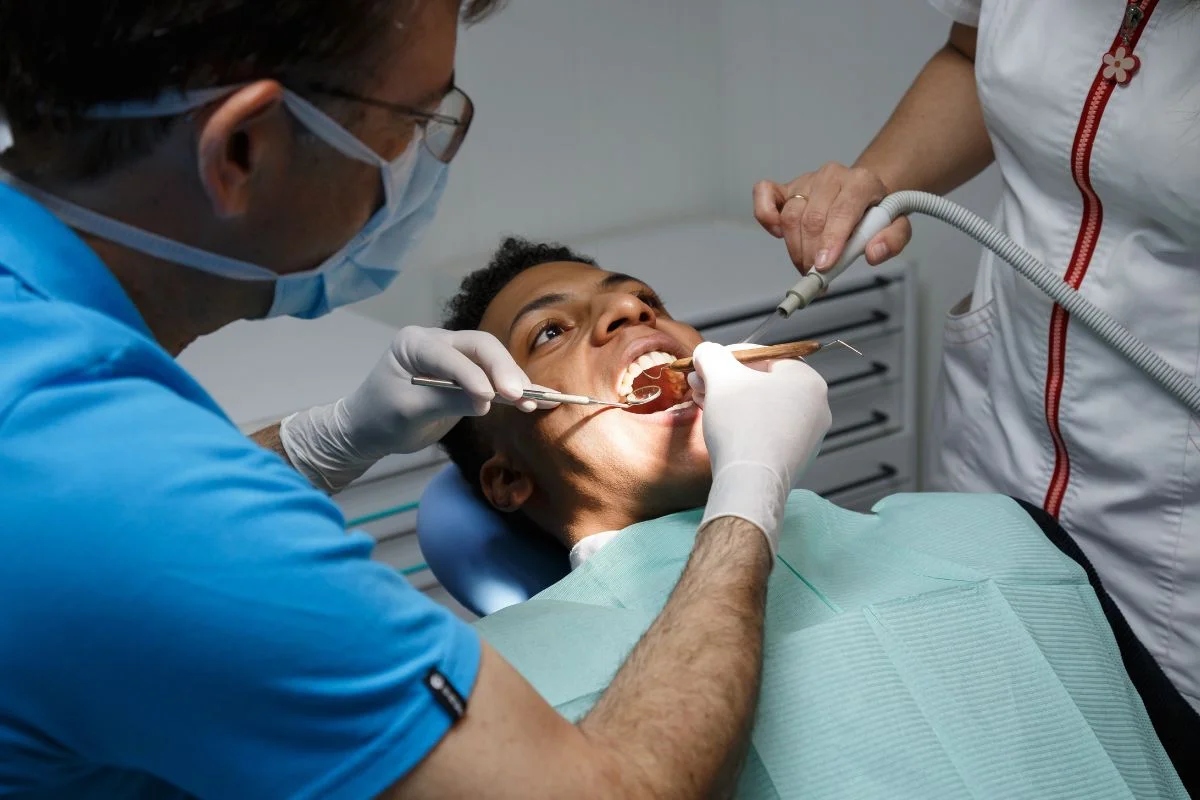
Tooth Extraction in North York — Gentle Care When a Tooth Needs to Come Out

Removing a tooth is never the first choice. At Mint 32 Dentistry, we always assess whether a tooth can be saved with a filling, crown, or root canal before recommending extraction. When extraction is the right step, we make the procedure as comfortable as possible and discuss your options for replacing the tooth at the same appointment.


Book an Extraction Appointment

Reasons a Tooth May Need to Be Removed

Extraction is recommended when keeping the tooth would cause more problems than removing it.

Severe Decay

When decay has destroyed too much of the tooth for any restoration to hold reliably, extraction removes the source of infection and allows the surrounding area to heal.

Fracture

A tooth fractured below the gumline or split vertically through the root cannot be saved. Extraction is the only option when the fracture extends into the root at a level that makes restoration impossible.

Orthodontic Reasons

Occasionally, a tooth needs to be removed to create space for orthodontic treatment to work correctly. This is planned as part of the overall treatment.

Infection

An abscess that has not responded to root canal treatment, or that has spread to surrounding bone, may require the tooth to be removed to eliminate the infection completely.

Root Canal Treatment

Advanced Gum Disease

In severe periodontitis, the bone and tissue supporting a tooth can be lost to the point where the tooth is no longer stable. Removal prevents ongoing infection and allows treatment of the surrounding area.

Gum Disease Treatment

Can the Tooth Be Saved?

Before recommending an extraction, we always consider whether the tooth can be treated another way.

Situation Alternative to Extraction
Cavity Filling or crown
Infected pulp Root canal treatment
Cracked tooth (above gumline) Crown
Gum disease (early to moderate) Gum disease treatment
Cracked below gumline or split root Extraction only

If extraction is the only option, we tell you clearly why and what the next step should be.

What Happens During a Tooth Extraction?

The procedure is straightforward when the tooth has erupted normally and is accessible.

Assessment and X-ray

Before extraction, your dentist examines the tooth and reviews an X-ray to understand the root shape and position. This helps us plan the safest, most efficient removal.

Local Anaesthetic

The area is thoroughly numbed. You will feel pressure during the extraction but not pain. Let your dentist know immediately if you feel anything sharp.

Tooth Removal

Your dentist gently loosens the tooth using specialized instruments before removing it. Most simple extractions take only a few minutes once the area is numb.

Bleeding Control

Gauze is placed over the socket to control bleeding. You bite down on this for around 30 minutes after the procedure.

Extraction Recovery

Most patients recover well within a few days following these steps.

First 24 hours:

  • Keep the gauze in place and change it as needed.
  • Apply a cold compress to the outside of the cheek to manage swelling.
  • Take over-the-counter pain relief as directed.
  • Rest and avoid strenuous activity.


Eating and drinking:

  • Soft foods only for the first few days.
  • Avoid drinking through a straw; suction can dislodge the clot.
  • No alcohol for the first 24 hours.
  • No smoking during the healing period.


Cleaning the area:

  • Continue brushing other teeth normally.
  • Avoid rinsing forcefully for the first 24 hours.
  • Rinse gently with warm salt water from day two onward.


Warning Signs After Extraction

Contact us promptly if you experience:

  • Bleeding that does not slow after 30 to 40 minutes of firm pressure.
  • Severe pain worsening after day two (a possible sign of dry socket).
  • Swelling that increases rather than decreases after 48 hours.
  • Fever or a bad taste persisting after the first day.

Tooth Extraction in North York
Reasons a Tooth May Need to Be Removed

Replacing the Missing Tooth

After a tooth is removed, we always discuss your options for replacement at the same appointment. Leaving a gap untreated leads to bone loss, shifting of neighbouring teeth, and bite changes over time.

Replacement options include:

  • Dental implant — The most permanent, natural-feeling solution.
  • Dental bridge — A fixed option supported by neighbouring teeth or implants.
  • Partial denture — A removable option for replacing one or more teeth.

Dental ImplantsDental Bridges

CDCP and Extractions

Tooth extractions, including medically necessary ones such as infected or broken teeth, are covered under the Canadian Dental Care Plan for eligible patients. Our team confirms your coverage and provides a written cost estimate before proceeding.

CDCP Information

Frequently Asked Questions

Does a tooth extraction hurt?

No. The procedure is performed under local anaesthetic. You will feel pressure as the tooth is loosened and removed but should not feel pain. Some soreness after the anaesthetic wears off is normal and managed with over-the-counter medication.

How long does recovery take?

Most patients feel significantly better within two to three days. Complete soft tissue healing takes one to two weeks. Bone healing in the socket takes longer but does not cause discomfort.

When can I eat after an extraction?

Soft foods are recommended for the first few days. Avoid anything hard, crunchy, or sticky until the site has healed. Avoid straws for at least 24 hours.

Is root canal treatment better than extraction?

In most cases, yes. Saving a natural tooth is almost always the preferred outcome. We recommend extraction only when the tooth cannot be predictably restored or when saving it would cause more harm than removing it.

Does every extracted tooth need replacement?

Not always, but we recommend replacement in most cases. Leaving a gap can cause neighbouring teeth to shift and bone loss to develop in the area over time.

Does CDCP cover eligible extractions?

Yes. Tooth extractions, including medically necessary ones, are a covered service under CDCP for eligible patients.