Dental Crown Vs Filling: How Does A Dentist Decide?

If a dentist finds a cavity or damaged tooth, you may expect to hear, “You need a filling.” But sometimes the recommended treatment is a dental crown instead. What makes the difference? The dental crown vs filling decision usually depends on how much healthy tooth remains, where the damage is located, whether the tooth has cracked, the size and condition of any existing restoration, the biting forces on the tooth, and whether the tooth has had root canal treatment.

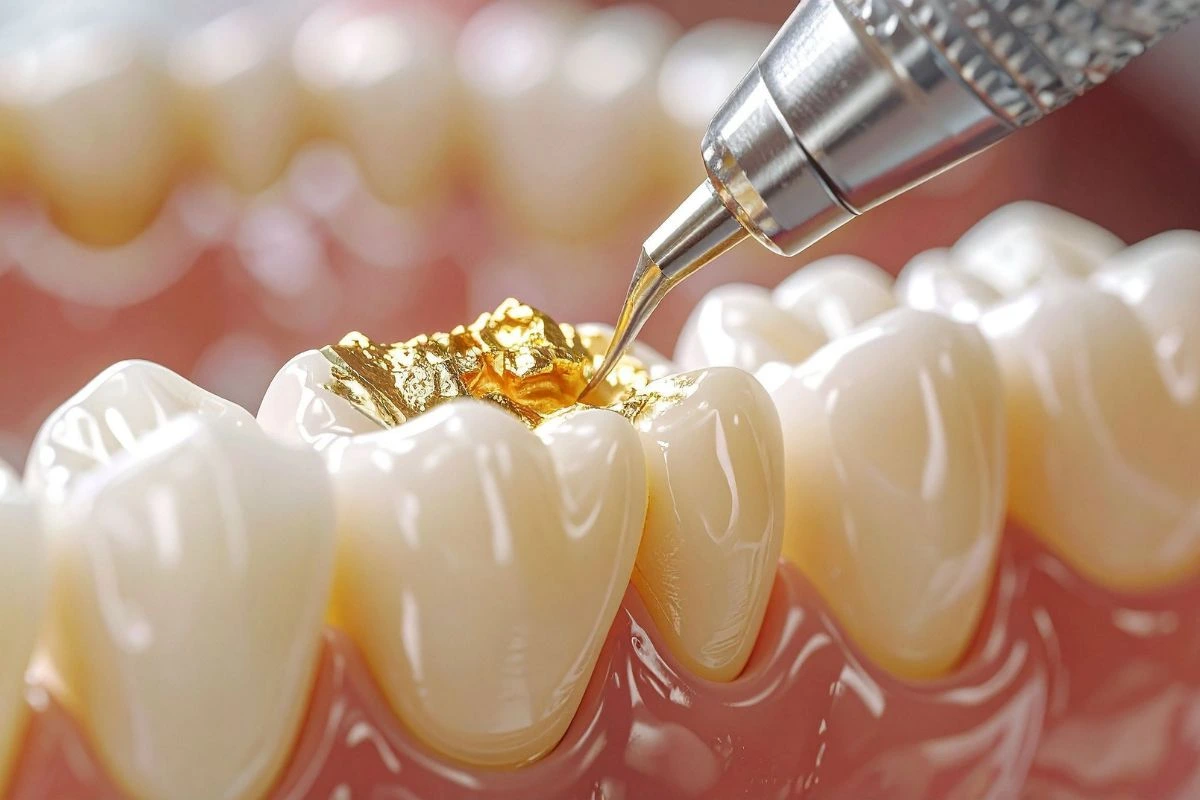
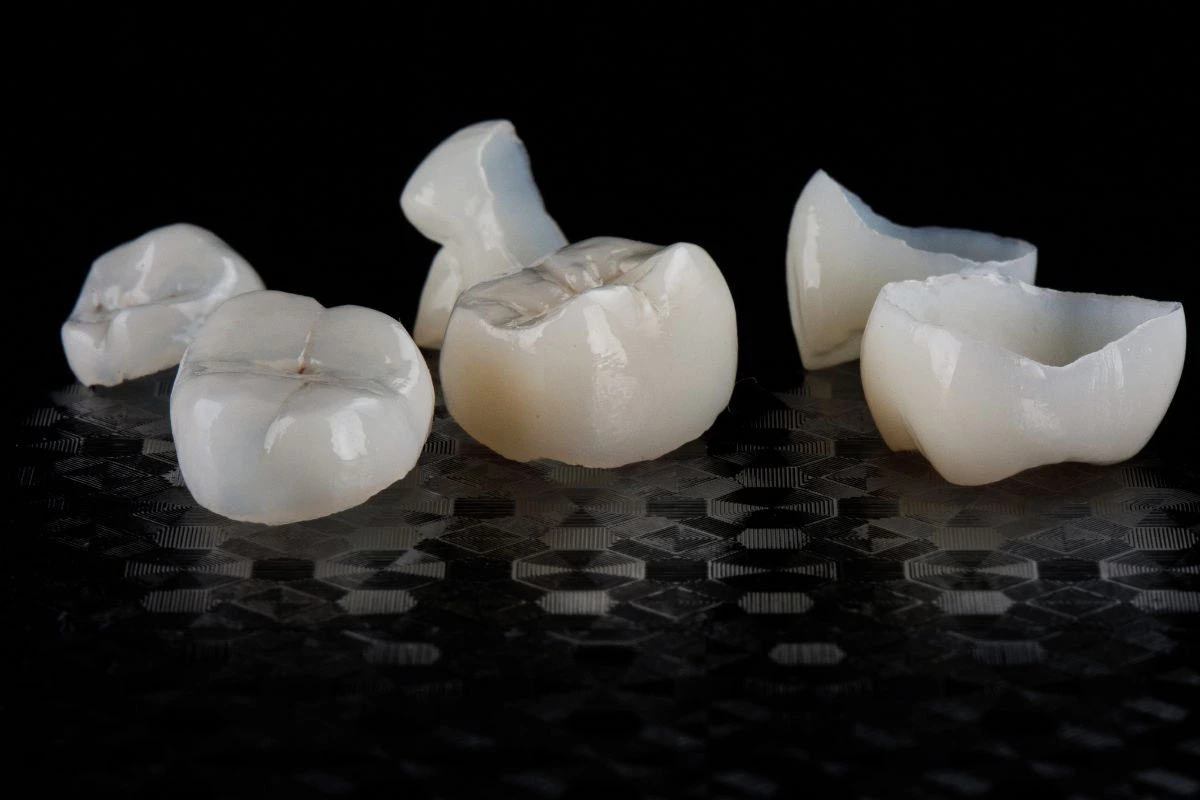
A filling repairs a damaged area within a tooth. A crown covers much more of the tooth and is used when greater protection or rebuilding is needed. The Canadian Dental Association describes a crown as a restoration that covers and protects a damaged or decayed tooth, while fillings replace tooth structure after decay has been removed.

So the question is usually not, “Which treatment is stronger?”

The better question is:

“How much healthy tooth is left, and what type of restoration can predictably support it?”

Dental Crown Vs Filling

Quick Answer

A filling may be enough when the damaged area is limited, and the remaining tooth can support a direct restoration.

A crown may be discussed when a tooth has lost a large amount of structure, has a significant crack, contains a very large failing restoration, or needs more complete coverage after certain types of treatment.

Here is a simple comparison:

Factor Dental Filling Dental Crown
Main purpose Repairs a specific damaged area Covers and rebuilds much of the visible tooth
Common use Small to moderate cavity or minor damage Larger structural damage or weakened tooth
Healthy tooth removed Usually less More preparation is normally required
Treatment time Often one appointment Commonly more than one appointment
Temporary restoration Usually not required Often used while the final crown is made
Covers whole tooth? No Covers the prepared tooth
Best for every cavity? No No

When A Filling May Be Enough

A filling may be considered when:

  • The cavity is relatively limited.
  • Enough strong tooth remains around the cavity.
  • The damaged area does not require full-tooth coverage.
  • A small chip or damaged area can be predictably rebuilt.
  • An old restoration can be replaced without leaving the tooth too weak.
  • The biting forces can be supported by the remaining tooth and restoration.

Mint 32 provides tooth-coloured dental fillings for cavities and certain other areas of damage. Its current filling page also explains that small to moderate cavities may be treated with composite fillings, while larger structural problems may require a different restoration.


What Is A Tooth-Coloured Filling?

Composite resin is a tooth-coloured restorative material.

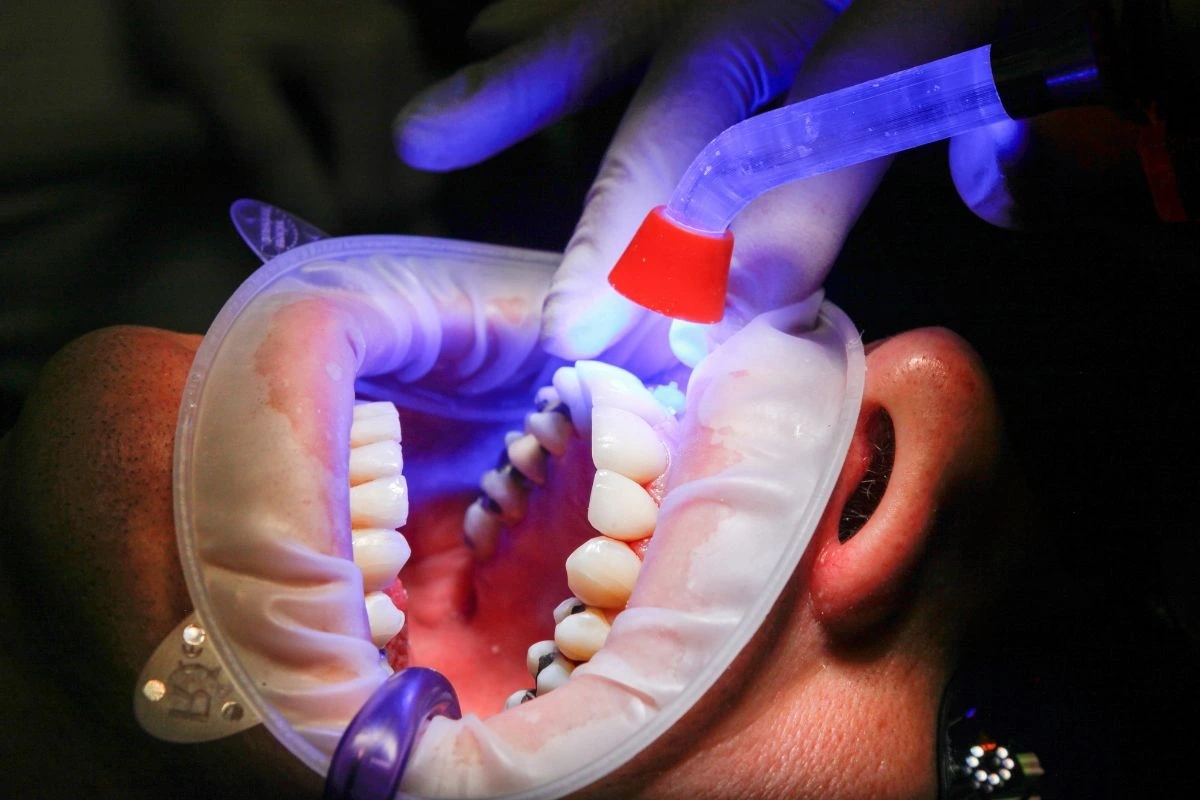
The dentist removes the decay, prepares the tooth, places the composite material, hardens it, shapes it, and adjusts the bite.

The Canadian Dental Association notes that composite resin is placed into the prepared area and hardened in layers before being shaped to look and feel natural.

A tooth-coloured filling therefore restores the damaged area without covering the entire tooth.


When A Crown May Be Discussed

A crown is different from a filling because it covers the prepared tooth rather than simply filling a cavity.

The Canadian Dental Association states that crowns may be used for damaged teeth and may be needed after a root canal, when a tooth has a large filling, or when a tooth is broken.

A dentist may discuss dental crowns when:

  • A cavity is too large for a predictable direct filling.
  • A large part of the tooth has already been lost.
  • A tooth has a significant crack or fracture.
  • An old large filling has failed.
  • There is very little healthy tooth surrounding an existing restoration.
  • A back tooth requires greater coverage after root canal treatment.
  • The tooth needs its shape and function rebuilt.

Why Remaining Healthy Tooth Structure Matters

Imagine a cardboard box. If there is only a small hole in one side, you might repair the damaged area and still have a strong box.

If most sides of the box are missing, patching one section will not bring back the strength of the whole structure.

A tooth works in a similar way.

The size of the cavity matters, but dentists also look at what remains after the decay and weakened material are removed.

Important questions include:

  • How thick are the remaining walls of the tooth?
  • Are one or more cusps weakened?
  • Is the tooth cracked?
  • How much old filling material is already present?
  • Is there healthy structure available to hold the restoration?
  • Is the tooth exposed to heavy chewing forces?
  • Has the tooth had previous treatment?

This is one reason restorative dentistry cannot use a simple rule such as “every cavity gets a filling.”

Two cavities can look similar from the outside but leave very different amounts of usable tooth structure after treatment.

The current CDCP guide also uses restorability and remaining tooth-structure criteria when determining whether an eligible tooth can be considered for crown coverage, showing how important structural assessment is in restorative planning.


Large Cavities And Cracked Teeth

Large cavities can weaken a tooth in two ways.

  • First, decay destroys tooth structure.
  • Second, removing the decayed material may reveal that the remaining walls or cusps are too weak to support a direct filling predictably.

That is when the crown or filling for cavity discussion becomes more important.


What About A Cracked Tooth?

Not every crack needs a crown.
A tiny surface line is very different from a crack that weakens part of a tooth.
The dentist considers:

  • Where the crack begins.
  • How far it appears to extend.
  • Whether part of the tooth moves.
  • Whether biting causes pain.
  • Whether the pulp inside the tooth is affected.
  • Whether the tooth can still be restored.

The Canadian Dental Association notes that a small tooth break may sometimes be repaired with a white filling, while more serious damage may require root canal treatment and a crown.


Large Cavities And Cracked Teeth

What Happens With Old Or Failed Fillings?

An existing filling does not need to be replaced simply because it is old.

Dentists usually consider its current condition.

Reasons an old filling may need attention include:

  • A visible fracture.
  • Part of the filling breaking away.
  • Decay developing around the restoration.
  • A gap or defect at the margin.
  • Cracking of the surrounding tooth.
  • Significant wear.

Symptoms suggesting another problem.

The Canadian Dental Association specifically supports a conservative approach to replacing serviceable amalgam restorations rather than replacing them solely because of safety concerns or because they are old.

That is an important point for patients with older fillings.

Old does not automatically mean bad.

If an old restoration remains functional and the surrounding tooth is healthy, immediate replacement may not be necessary.

However, when a very large filling fails, the dentist must evaluate how much tooth remains after the old restoration and any new decay are removed.

Sometimes another filling is possible.

Sometimes a crown provides a more appropriate way to rebuild the tooth.


Crowns Following Root Canal Treatment

Another common question is:

“Do I automatically need a crown after a root canal?”

Not every root-canal-treated tooth is identical.

The type of tooth, amount of remaining structure, previous restorations, and biting forces all matter. However, crowns are commonly considered when a tooth has been heavily damaged or weakened and requires more protection after root canal treatment.

The Canadian Dental Association states that a crown may be needed after root canal treatment.

Root canal treatment removes infected or injured tissue from inside the tooth. The final restoration then needs to rebuild and seal the tooth so it can function.

These are two different parts of treatment:

Root canal treatment: addresses the pulp and root canal system.

Final restoration: repairs and protects the remaining tooth structure.

A back tooth with substantial structural loss may require a different final restoration from a front tooth with more healthy structure remaining.

That is why the final decision should be made after looking at the individual tooth.


When A Filling May Be Enough

How Does A Dentist Decide Between A Crown And Filling?

There is no single measurement that decides every case.

Instead, a dentist combines several findings.

Size Of The Damage

A smaller damaged area is more likely to be manageable with a filling than a tooth that has lost a large amount of structure.

Amount Of Healthy Tooth Remaining

This may be even more important than the original cavity size.

Once all decay and unsupported material are removed, the dentist needs enough healthy structure to support the planned restoration.

Condition Of The Cusps

The raised parts of the biting surface are called cusps.

If one or more cusps are thin, fractured, or badly undermined, a filling may not provide the type of coverage the tooth requires.

Presence Of Cracks

The dentist evaluates whether a crack is minor and restorable or whether it changes the tooth's long-term outlook.

Existing Restorations

A tooth with several previous restorations may contain much less natural structure than it appears to have at first glance.

Tooth Position

Front teeth and back teeth experience different forces and may have different restorative needs.

Bite And Grinding Forces

Patients who place heavy forces on their teeth may require special consideration when selecting restorative treatment and materials.

Root Canal History

A tooth that has received endodontic treatment may need a different restorative plan depending on how much tooth structure remains.

The decision is therefore based on the whole tooth—not merely the fact that a cavity exists.

Treatment Timeline: Filling Vs Crown

Treatment Timeline: Filling Vs Crown
The treatment experience is also different.

Filling Appointment

  1. A direct filling can often be completed during one appointment.
  2. The typical process may include:
  3. Examining the tooth.
  4. Using local anaesthetic when needed.
  5. Removing decay or damaged material.
  6. Preparing the area.
  7. Placing restorative material.
  8. Shaping the restoration.
  9. Checking and adjusting the bite.

The CDA notes that direct fillings are commonly completed in one appointment.


Crown Treatment

Traditional crown treatment often takes more than one visit.

The Canadian Dental Association describes a process that can include tooth preparation, an impression, a temporary crown, fabrication of the permanent crown, and a later visit to check and cement the final restoration.

The exact workflow can vary depending on the tooth and the technology used by the dental office.

Cost, Insurance, and CDCP Considerations

A crown generally involves different clinical and laboratory steps from a direct filling, so patients should ask for a treatment estimate before deciding based on cost.
Possible cost factors include:

  • Size and location of the restoration.
  • Crown material.
  • Laboratory fees.
  • Number of teeth being treated.
  • Additional treatment required before restoration.
  • Individual dental insurance coverage.

Dental Fillings Under CDCP

Restorative services for permanent teeth are included under the CDCP, subject to its eligibility rules and frequency limits. The current guide states that restoration eligibility is generally once per tooth surface in a 24-month period.

Dental Crowns Under CDCP

The April 1, 2026 guide states that certain single-unit crowns can be considered for clients aged 18 and older, but preauthorization and specific tooth-eligibility and restorability requirements apply.

The guide also sets frequency limits for eligible crowns.

Patients can review Mint 32’s CDCP information and should have their individual eligibility and expected patient portion confirmed before treatment.

CDCP coverage should not be confused with a clinical recommendation. A dentist first determines what treatment the tooth needs; coverage is a separate financial question.

Can You Ask For A Filling Instead Of A Crown?

You can always ask your dentist to explain whether a filling is a reasonable alternative.

A useful discussion may include questions such as:

  • How much healthy tooth will remain after decay is removed?
  • Why would a filling not be predictable in this tooth?
  • Is there a crack?
  • Are the cusps weakened?
  • What are the risks of using a large filling?
  • What are the risks and benefits of a crown?
  • Are there other reasonable treatment choices?
  • What happens if treatment is delayed?

A patient should understand why a treatment is being recommended.

At the same time, choosing the smaller or cheaper restoration is not always conservative if it cannot adequately restore the tooth.

True conservative dentistry means preserving useful natural tooth structure while providing a restoration that has a reasonable chance of functioning properly.

Dental Crown Or Filling In North York

Someone searching for a dental crown in North York or dental fillings in North York may already have been told that a tooth needs repair.

The next step should be understanding why one restoration is being recommended over another.

At Mint 32 Dentistry in North York, restorative care includes fillings, crowns, root canal treatment, bridges, implants, and other options for damaged or missing teeth.

For a crown-versus-filling assessment, the dentist can evaluate the cavity or damage, existing restorations, cracks, remaining tooth structure, bite, symptoms, and X-rays when indicated.

The goal is not to place the biggest restoration possible.

It is to choose an appropriate restoration for the condition of the tooth.

If you have a cavity, cracked tooth, broken filling, or have been told that a crown may be necessary, book an appointment for an assessment and an explanation of the treatment choices for that specific tooth.


Is A Crown Better Than A Filling

Frequently Asked Questions

Is A Crown Better Than A Filling?

Not automatically. A filling may be the more appropriate and conservative restoration when enough healthy tooth remains. A crown may be considered when the tooth requires more extensive rebuilding or coverage.

How Big Does A Cavity Need To Be Before It Needs A Crown?

There is no single cavity size that automatically means a crown is required. Dentists evaluate the amount and location of lost tooth structure, the remaining walls and cusps, cracks, previous restorations, and biting forces.

Can A Large Cavity Be Fixed With A Filling?

Sometimes, but not every large cavity can be predictably restored with a direct filling. The dentist needs to evaluate what remains after all decay and weak tooth structure are removed.

Does A Cracked Tooth Always Need A Crown?

No. Treatment depends on the type, location, and depth of the crack. Small damage may sometimes be repaired more conservatively, while a significantly weakened tooth may need greater coverage. Some very deep fractures may not be restorable at all.

Do I Need To Replace An Old Metal Filling With A Crown?

Not simply because the filling is old or metal. A serviceable restoration may remain in place. Replacement may be recommended when there is decay, fracture, failure, or another clinical reason.

Is A Crown Always Needed After Root Canal Treatment?

No single answer applies to every tooth. The tooth type, amount of remaining structure, size of previous restorations, and other factors affect the final restoration. The CDA notes that crowns may be needed after root canal treatment.

Does CDCP Cover Dental Crowns?

Eligible single-unit crowns may be considered under the current CDCP for clients aged 18 and older, but preauthorization, clinical criteria, restorability requirements, and frequency limits apply.

How Do I Know Whether I Need A Crown Or Filling?

A dental examination is needed to assess the size of the damaged area, remaining healthy structure, cracks, previous fillings, bite, symptoms, and dental imaging when appropriate.