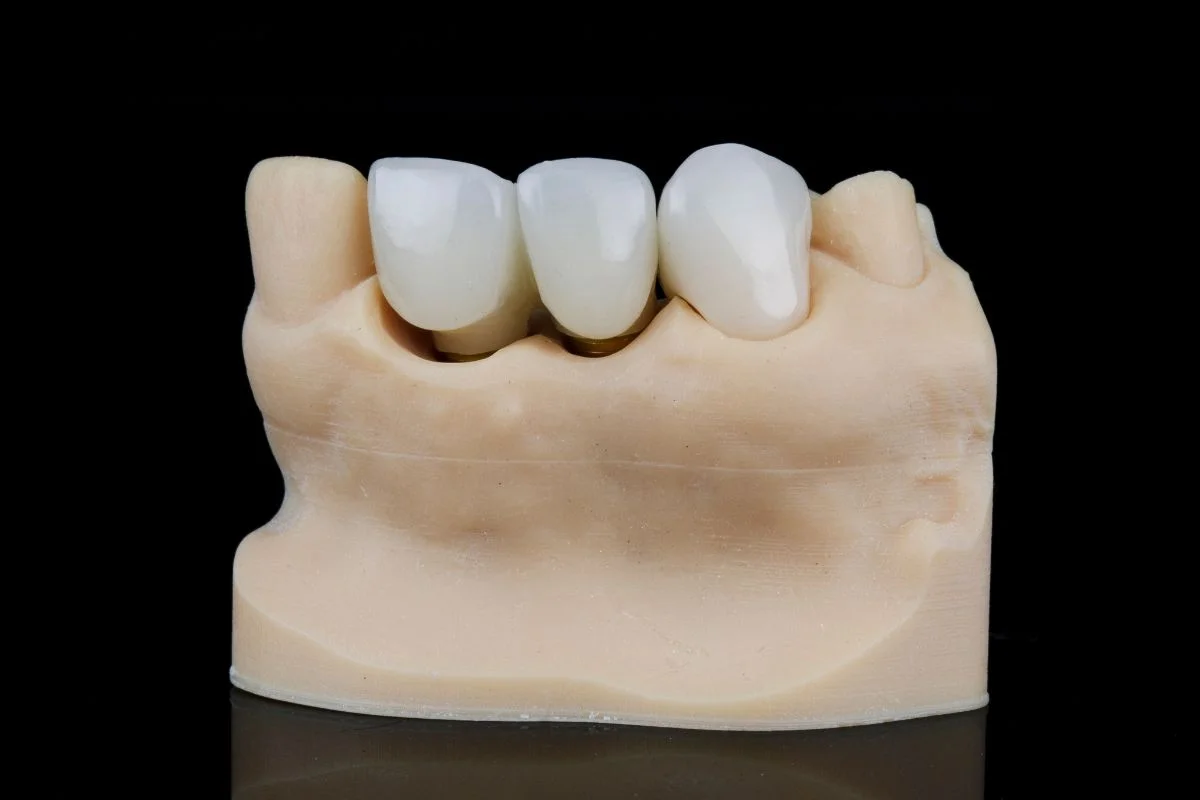
Missing A Tooth? Dental Implant, Bridge Or Partial Denture: How Do You Choose?

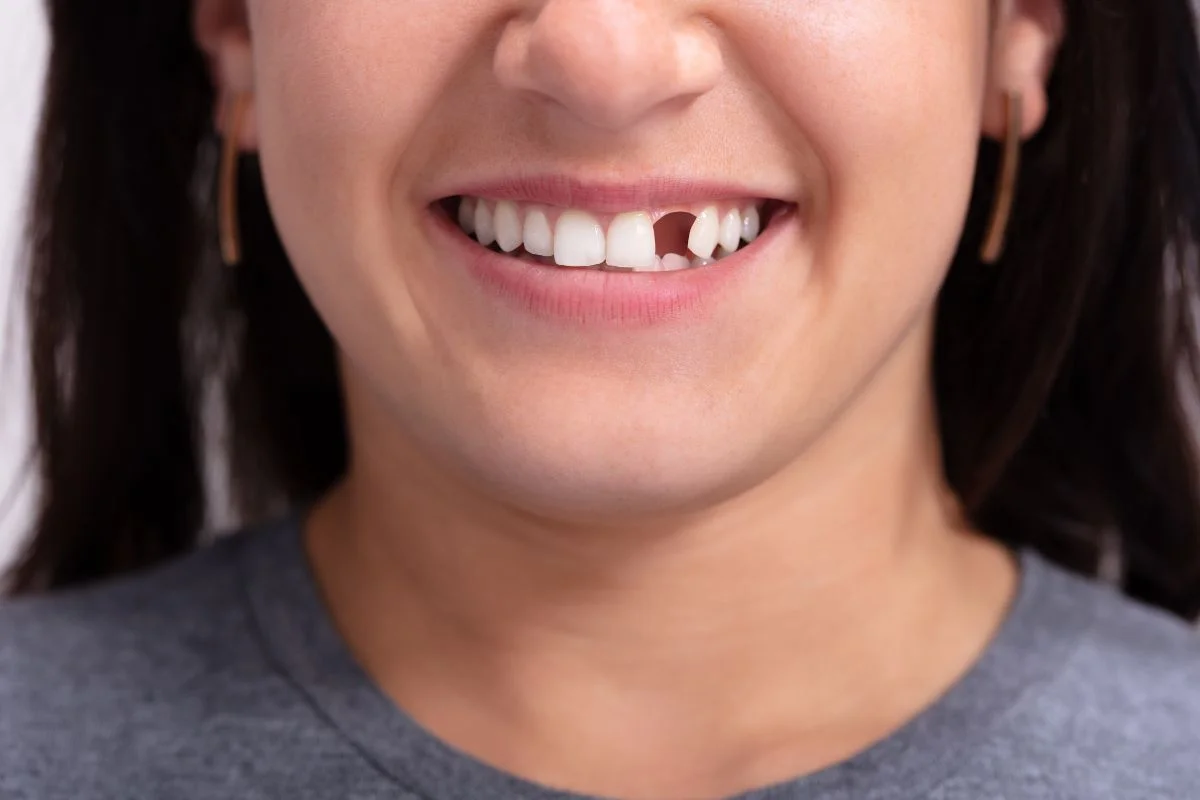
If you are missing a tooth, replacing it is not a one-treatment decision. A dentist may discuss a dental implant, dental bridge, or removable partial denture, depending on the location of the gap, surrounding teeth, gum and bone health, overall health, budget, and personal preferences.

These three missing tooth replacement options work very differently.

A dental implant replaces the missing root area with an implant placed in the jawbone and supports an artificial tooth. A traditional bridge uses neighbouring teeth to support a fixed replacement. A partial denture is removable and can replace one or several teeth.
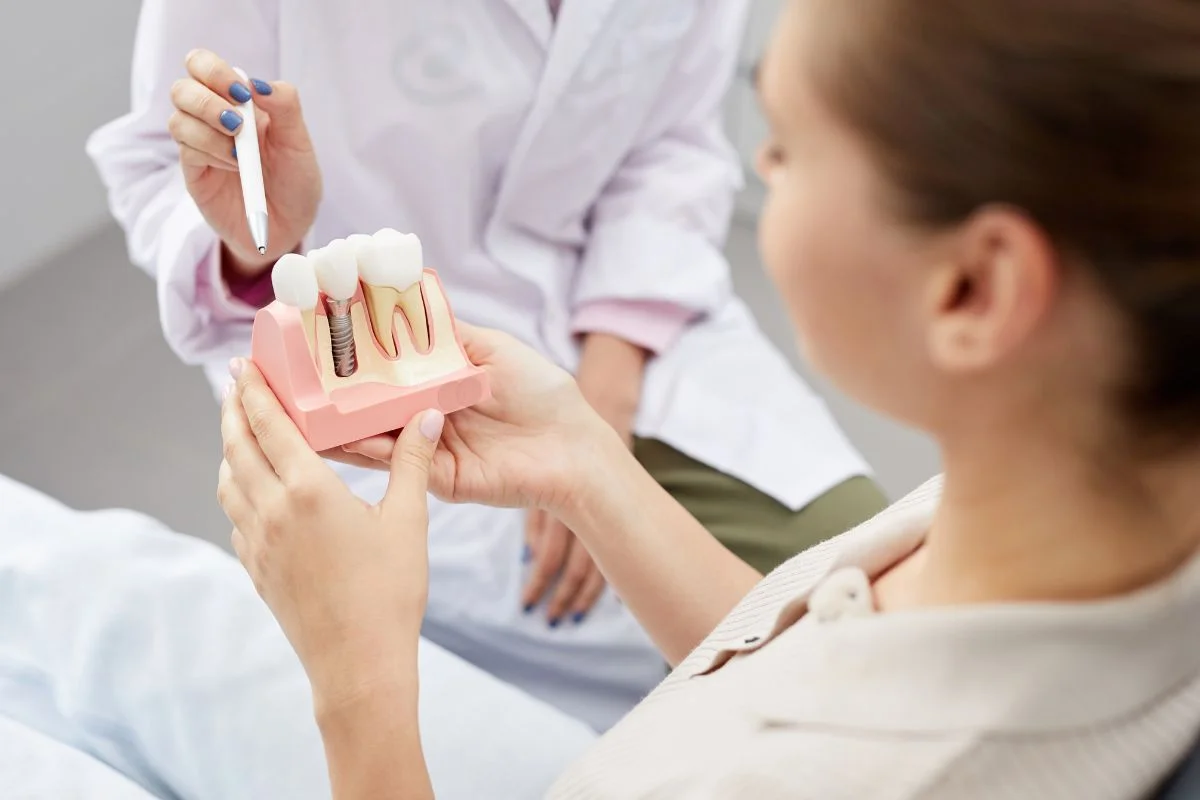
Dental Implant, Bridge Or Partial Denture

What Are The Main Ways To Replace A Missing Tooth?

For a single missing tooth, the most commonly discussed options include:

  1. Single-tooth dental implant.
  2. Traditional fixed dental bridge.
  3. Removable partial denture.

Here is a quick comparison:

Factor Dental Implant Dental Bridge Partial Denture
Fixed or removable? Fixed Fixed Removable
Uses neighbouring teeth? Usually no Usually yes Often uses nearby teeth for support or retention
Surgery required? Yes Usually no No implant surgery for conventional partial
Treatment time Usually several months Usually weeks Usually several appointments
Bone requirements Adequate bone required Does not require an implant in the gap Does not require an implant in the gap
Daily cleaning Brush and clean around implant Clean around and under bridge Remove and clean denture
Can replace one tooth? Yes Yes Yes
CDCP 2026 Excluded Excluded May be covered if requirements are met

Current federal rules are important here. Under the CDCP Benefits Guide effective April 1, 2026, implants and implant-related procedures are excluded, and fixed bridges and bridge-related procedures are also excluded. Eligible removable partial dentures remain within the CDCP program, subject to its rules and preauthorization requirements.

What Is A Dental Implant?

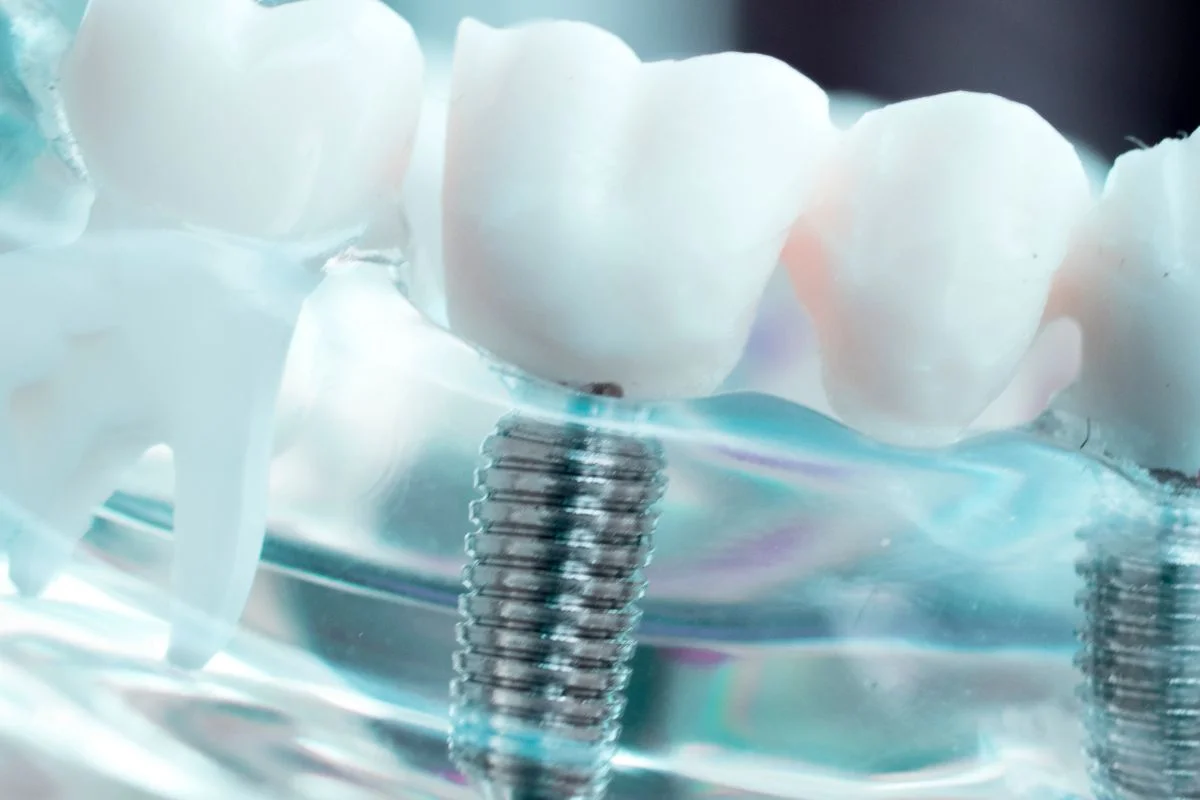
A dental implant is an artificial root placed in the jawbone to support a replacement tooth.

The Canadian Dental Association explains that implant treatment generally involves placing the implant into the jaw, allowing it to heal and bond with surrounding bone, attaching an abutment, and then placing the artificial tooth.

For one missing tooth, a typical implant restoration includes:

  • The implant fixture in the jaw.
  • An abutment connecting the implant to the restoration.
  • A crown that replaces the visible tooth.

One important feature of a single implant is that it can replace the missing tooth without requiring the neighbouring healthy teeth to be prepared as bridge supports.

Patients considering dental implants at Mint 32 are assessed with an examination and imaging before treatment. Mint 32’s current process includes implant placement, a healing period, abutment placement, and the final restoration.

When Might An Implant Be Considered?

An implant may be considered when:

  • One tooth is missing.
  • The neighbouring teeth are healthy.
  • There is enough bone to support an implant.
  • Gum health is suitable.
  • The patient can undergo implant surgery.
  • The patient wants a fixed replacement.
  • The longer treatment timeline is acceptable.

The CDA notes that general health, healthy gums, and adequate jawbone are important parts of implant suitability.


How Does A Dental Bridge Work?

A traditional dental bridge fills the gap using an artificial tooth attached to crowns on neighbouring teeth.

The replacement tooth is called a pontic. The teeth supporting it are called abutment teeth.

The CDA explains that with a traditional bridge, teeth on either side of the gap are prepared for crowns, and the connected restoration is then fixed in place. It also notes that a single implant can sometimes be used instead when the neighbouring teeth are healthy and preserving them is desirable.

Patients exploring dental bridges should therefore have the supporting teeth carefully examined.

When Might A Bridge Be Considered?

A bridge may be considered when:

  • One or more neighbouring teeth can support the restoration.
  • The patient wants a fixed replacement.
  • Implant surgery is not preferred or appropriate.
  • A shorter treatment timeline is important.
  • The supporting teeth already require substantial restorative work.

How Does A Dental Bridge Work

How Does A Partial Denture Work?

A partial denture is removable.

It can replace one tooth or several missing teeth while natural teeth remain in the mouth. The CDA describes a removable partial denture as one or more artificial teeth supported with clasps or other components associated with neighbouring teeth.

A patient removes the denture for cleaning rather than having it permanently attached.

Mint 32 offers full and partial dentures and describes partial dentures as removable replacements that fill gaps while remaining natural teeth stay in place.

Can A Partial Denture Replace Only One Tooth?

Yes.

A removable partial denture can technically replace a single missing tooth. However, whether it is the preferred choice depends on the location of the gap, available support, comfort, appearance, finances, and what other options are suitable.

Partial dentures may also become more practical when several teeth are missing rather than only one.


Implant Vs Bridge Vs Denture: Key Differences

The choice becomes easier when each treatment is compared by what matters to the patient.

If You Want A Fixed Tooth

  • Both implants and traditional bridges are fixed.
  • A conventional partial denture is removable.

If You Want To Avoid Preparing Healthy Neighbouring Teeth

  • A single implant can generally replace a missing tooth without requiring conventional crown preparation of the teeth beside it.
  • A traditional bridge usually requires preparation of its supporting teeth.

If You Want To Avoid Surgery

  • A conventional bridge or partial denture normally avoids implant surgery.
  • Implants require a surgical placement procedure and healing time.

If Treatment Time Is Important

  • Implants usually require the longest timeline because healing is part of treatment.
  • A traditional bridge can generally be completed sooner.
  • A partial denture also requires impressions, fabrication, fitting, and adjustments but does not normally require implant integration when it is a conventional removable partial.

If Cost Is The Main Limitation

A removable partial denture often has a lower initial cost than implant treatment.

However, treatment should not be judged only by the starting fee. Future maintenance, repairs, replacements, and the health of supporting teeth should also be discussed.


How Does Your Dentist Decide Which Treatment May Fit?

A proper missing-tooth assessment considers much more than the gap itself.

The Condition Of The Neighbouring Teeth

Healthy, untouched neighbouring teeth may support consideration of an implant because they do not need to be prepared solely to hold the replacement.

Heavily restored neighbouring teeth may change the bridge discussion.

Bone At The Missing-Tooth Site

Implants need enough supporting bone.

The CDA states that dental examination and X-rays are used to evaluate whether an implant is appropriate. Bone grafting can sometimes be discussed if bone volume is inadequate.

Gum Health

  • Gum health matters for every replacement option.
  • Natural teeth supporting a bridge need healthy periodontal support. Implants require healthy surrounding tissues. Dentures also need healthy oral tissues and regular assessment.

Number Of Missing Teeth

  • Replacing one tooth is different from replacing several teeth across an arch.
  • The more teeth that are missing, the more the treatment design can change.

Location Of The Missing Tooth

  • A front tooth may create stronger appearance concerns.
  • A back tooth may have major chewing demands.
  • The available space and bite must also be evaluated.

Medical History

Medical conditions, medications, smoking, healing ability, and other health factors may affect implant planning.

Patient Preference

  • Some people want a fixed solution and are comfortable with surgery.
  • Others would rather avoid surgery.
  • Some prioritize treatment speed. Others prioritize preserving neighbouring teeth.
  • There is no useful missing-tooth treatment plan without including the patient’s priorities.

Treatment Time And Maintenance Considerations

Each option creates different long-term responsibilities.

Dental Implant Maintenance

Implants need daily plaque removal and ongoing dental care.

The CDA states that implant-supported teeth should be brushed and cleaned just like natural teeth and professionally monitored.

Dental Bridge Maintenance

A bridge requires cleaning around the supporting teeth and underneath the artificial tooth.

Because the pontic is connected to the neighbouring crowns, ordinary floss cannot simply pass down through the contact. Floss threaders or suitable interdental cleaning aids may be recommended.

Partial Denture Maintenance

Partial dentures need to be removed and cleaned.

Mint 32 advises patients to rinse removable dentures after meals, brush them with an appropriate denture brush and cleaner, and continue cleaning the gums, tongue, and remaining natural teeth.

A partial denture also needs periodic assessment because the mouth and supporting tissues can change over time.

What Happens If You Do Not Replace A Missing Tooth?

Not every missing tooth creates exactly the same problem, so replacement should be individualized rather than automatic.

However, depending on the location and bite, a missing tooth can affect:

  • Chewing.
  • Appearance.
  • Tooth alignment.
  • The way neighbouring teeth contact.
  • Cleaning access.
  • Future restorative planning.

Before deciding to leave a space untreated, ask the dentist what is likely to happen in your mouth if the space remains.

For example, a missing wisdom tooth creates a very different treatment question from a missing front tooth or first molar.


What Are The Main Ways To Replace A Missing Tooth

Cost, Insurance And CDCP Considerations

Cost depends on much more than the name of the procedure.

For implants, costs may be affected by:

  • Implant surgery.
  • Imaging.
  • Bone grafting if required.
  • Abutment.
  • Final crown.
  • Case complexity.
  • For bridges, factors include:
  • Number of units.
  • Materials.
  • Condition of supporting teeth.
  • Laboratory work.

For partial dentures, costs can depend on:

  • Type of partial denture.
  • Number of teeth being replaced.
  • Materials.
  • Design.
  • Required adjustments.

Private dental plans vary, so patients should confirm their own coverage before treatment.

What Does CDCP Cover For Missing Teeth In 2026?

This part needs special care because many dental websites still contain older information.

The current CDCP Benefits Guide, effective April 1, 2026, states:

  • Dental implants and implant-related procedures are excluded.
  • Fixed bridges and bridge-related procedures are excluded.
  • Eligible removable complete dentures are covered according to program rules.
  • Eligible removable partial dentures may be covered and generally require preauthorization for initial placement.

Patients can review Mint 32’s Canadian Dental Care Plan information while keeping in mind that final coverage must follow the current federal benefits guide.

Coverage does not determine which treatment is clinically best. It determines only what the program may pay toward an eligible service.

Replacing A Missing Tooth In North York

North York patients searching for tooth-replacement options are commonly presented with implants, bridges, and dentures, but competitor content often separates these into individual sales pages rather than explaining how the decision changes based on neighbouring teeth, bone, removability, and current benefit rules.

A broader restorative dentistry in North York assessment allows the dentist to evaluate the entire mouth before recommending one solution.

At Mint 32 Dentistry, the restorative treatment cluster includes implants, bridges, dentures, crowns, fillings, and root canal treatment, allowing a missing-tooth plan to be considered alongside the health of the remaining teeth.

The useful question is not:

“Which replacement is best?”

It is:

“Which replacement fits my mouth, health, priorities, and long-term treatment plan?”

If you have one or more missing teeth and want to compare the realistic options for your mouth, book a missing-tooth assessment before deciding between an implant, bridge, or partial denture.

Implant Vs Bridge Vs Denture

Frequently Asked Questions

Is A Dental Implant Always The Best Way To Replace One Tooth?

No. An implant can avoid preparing neighbouring healthy teeth, but implant surgery requires suitable bone, gum health, healing, and an appropriate medical situation. A bridge or partial denture may be more suitable for some patients.

Can A Bridge Replace One Missing Tooth?

Yes. Traditional bridges commonly replace one missing tooth by connecting an artificial tooth to crowns on neighbouring teeth.

Can A Partial Denture Replace One Tooth?

Yes. A removable partial denture can replace one or several missing teeth. Whether it is the preferred treatment for a single tooth depends on the individual situation.

Does An Implant Require Healthy Bone?

Adequate bone is needed to support an implant. If bone volume is limited, a dentist or dental specialist may discuss whether bone grafting or another treatment is appropriate.

Which Is Faster, An Implant Or Bridge?

A traditional bridge is normally completed sooner. Implant treatment usually takes several months because the implant needs time to heal and integrate before the final restoration is completed.

Are Dental Bridges Covered By CDCP In 2026?

No. The current federal CDCP Benefits Guide lists fixed prosthodontics, including bridges and all bridge-related procedures, as exclusions.

Are Dental Implants Covered By CDCP?

No. Implants and implant-related procedures are excluded from CDCP coverage.

Does CDCP Cover Partial Dentures?

Eligible removable partial dentures are included under CDCP, but initial placements generally require preauthorization and must meet program eligibility rules.