Tooth Pain: Should You Go to the ER or an Emergency Dentist?

For most tooth pain, an emergency dentist is the right first call, not the ER. Hospital emergency rooms are staffed to handle medical emergencies, not dental ones. Most ERs do not have a dentist on staff, and their role is generally limited to pain management and antibiotics rather than actually treating the tooth.

Mint 32 Dentistry offers emergency appointments for North York patients dealing with sudden or severe tooth pain, so you can get the actual problem treated the same day instead of just masking it.


Book an Emergency Visit
Should You Go to the ER or an Emergency Dentist

Why an ER Usually Can't Fix Your Tooth Pain

Emergency rooms are equipped to stabilize medical emergencies: chest pain, breathing problems, major trauma, and similar conditions. They are not equipped with dental X-ray equipment, dental drills, or the tools needed to remove decay, drain an abscess properly, or place a filling or crown.

What an ER can typically do is prescribe pain medication or antibiotics and tell you to follow up with a dentist. That means a large share of patients who go to the ER for a toothache end up needing a dental visit within a few days anyway, on top of the ER bill.

If your pain is dental in nature and you're not in a life-threatening situation, going straight to a dentist skips that extra step entirely.

The Specific Symptoms That Point to "See a Dentist"

  • Throbbing, localized pain in one tooth or area, especially pain that gets worse when biting down or with hot and cold exposure, this pattern usually points to a cavity, cracked tooth, or nerve inflammation, all of which a dentist treats directly.
  • A visible bump or pimple on the gum, sometimes draining fluid — this is a classic sign of a dental abscess, a bacterial infection at the root of the tooth.
  • A cracked, chipped, or broken tooth causing pain, without a major facial injury involved.
  • A lost filling or crown that has left a nerve exposed and sensitive.
  • Localized swelling confined to the gum, cheek, or jaw near a specific tooth, without spreading toward the eye, neck, or throat.

Each of these is a dental problem with a dental solution. An emergency dentist can examine the tooth, take an X-ray if needed, and generally start treatment that same day, whether that's pain relief, draining an infection, or repairing the tooth itself.


See Restorative Options
Does facial swelling always mean I need the ER

The Specific Symptoms That Mean "Go to the ER"

While you wait for your appointment, a few simple steps can protect your tooth and ease discomfort:

  • Rinse gently with warm salt water to clean the area.
  • Apply a cold compress to the outside of your cheek to reduce swelling.
  • Take an over-the-counter pain reliever as directed on the label.
  • Avoid chewing on the affected side.
  • If a tooth is knocked out, keep it moist in milk or saliva and get to a dentist within the hour.


When to Go to the ER Instead

A dental abscess is a pocket of infection. It usually forms from untreated decay, a cracked tooth, or advanced gum disease. Bacteria reach the tooth's pulp or the surrounding bone. This is not simple pain. It is an active bacterial infection. It will not go away on its own.

Common causes:

  • Untreated tooth decay that reaches the inner pulp.
  • A cracked or fractured tooth that lets bacteria inside.
  • Advanced gum disease that creates deep pockets for bacteria.

Why it's more serious than regular pain:

  • It is a live bacterial infection, not just nerve irritation.
  • Left untreated, it can spread to the jaw.
  • It can spread to the neck in more advanced cases.
  • In rare but serious cases, it can spread into the bloodstream.

Why antibiotics alone aren't enough:

  • Antibiotics can help control the spread of infection short term.
  • They do not remove the infected tissue itself.
  • A dentist needs to see the tooth directly.
  • Draining the abscess is usually required to fully treat it.


What Actually Happens During an Emergency Dental Visit

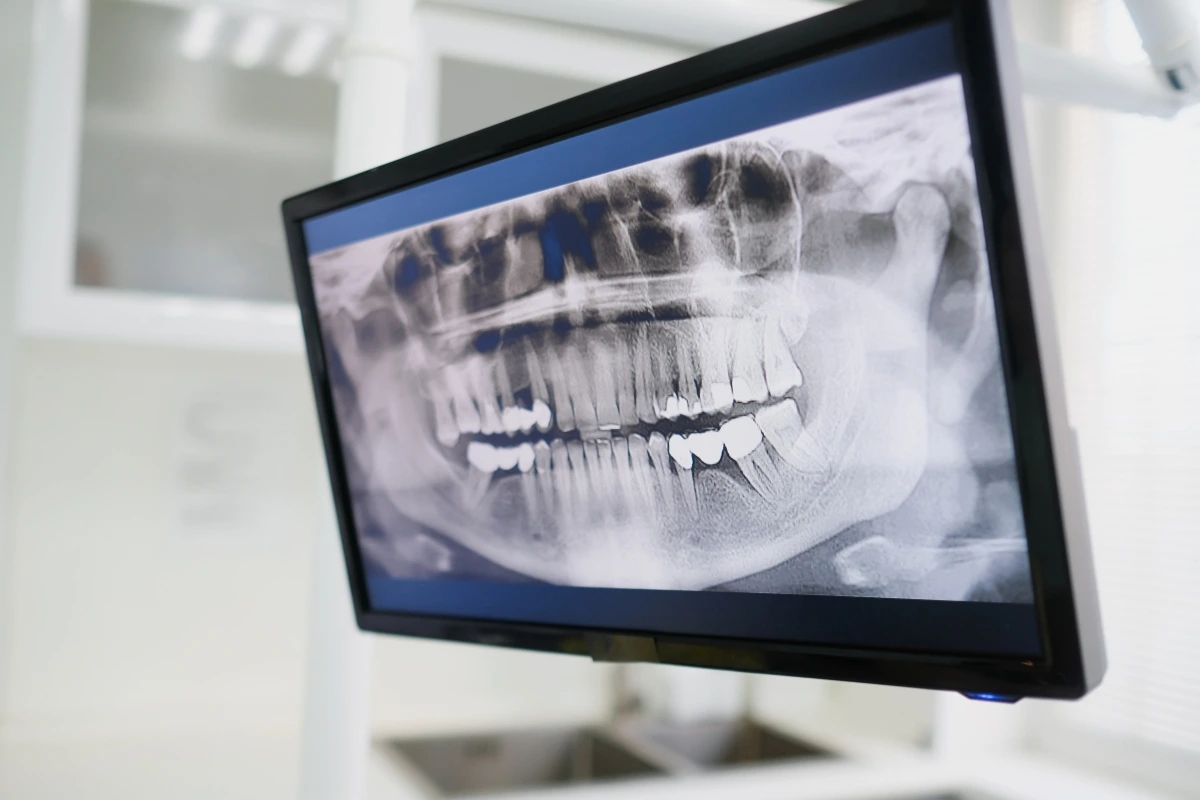
At the appointment, your dentist will typically take a focused X-ray of the area to see the extent of the problem, since pain often doesn't reflect the full picture below the gumline. From there, treatment depends on the cause:

  • Draining an abscess to relieve pressure and begin clearing the infection
  • A root canal, if the infection has reached the nerve inside the tooth, but the tooth itself can be saved
  • A filling or crown for a cracked or decayed tooth, causing pain
  • Prescription antibiotics are often used alongside the procedure rather than instead of it
  • Extraction, only in cases where the tooth cannot reasonably be saved

You can review these restorative treatment options in more detail if you want to understand what a specific t


Can an ER actually treat a toothache

What to Do Between Now and Your Appointment

  1. Rinse gently with warm salt water several times a day to help reduce bacteria at the site.
  2. Apply a cold compress to the outside of your cheek for 10–15 minutes at a time to reduce swelling.
  3. Take an over-the-counter pain reliever as directed on the label; avoid placing aspirin directly against the gum, which can irritate tissue.
  4. Avoid chewing on the affected side.
  5. Call the dental office and describe your specific symptoms, including whether there's swelling, fever, or bleeding, so the team can advise you on how urgent your case is before you arrive.

You can call the Mint 32 Dentistry emergency line directly to walk through your symptoms with the team.


Cost and Insurance

Emergency dental visits typically include the cost of the exam, any necessary X-rays, and the specific treatment provided, whether that's a filling, drainage, or root canal.

Many private insurance plans cover a portion of emergency exams and treatment, and CDCP may help eligible patients with the cost of emergency exams and pain control.

Costs vary significantly depending on whether the visit involves an exam only or more involved treatment like a root canal, so the team will walk through an estimate with you before starting any procedure.

FAQ: ER vs. Emergency Dentist

Can an ER actually treat a toothache?

An ER can offer pain relief and prescribe antibiotics if there are signs of infection, but they generally do not have the equipment or specialists to treat the underlying dental problem, such as a cavity, cracked tooth, or infected nerve.

Is a cracked tooth an ER visit?

Not on its own. A cracked tooth with pain should go to an emergency dentist, unless it happened as part of major facial trauma involving a fall, car accident, or serious blow to the face.

What if I can't get a same-day dental appointment anywhere?

Call the dental office directly and describe your symptoms. Many clinics, including Mint 32 Dentistry, hold space specifically for urgent same-day cases and can often fit you in faster than the office's regular booking calendar might suggest.

Does facial swelling always mean I need the ER?

No. Swelling limited to the gum, cheek, or jaw near a specific tooth is usually manageable by a dentist. Swelling that's rapidly spreading toward the eye, neck, or throat, especially if it's affecting breathing or swallowing, is an ER situation.

Will I definitely need antibiotics for a dental infection?

Not always. Some infections are treated by draining the abscess and removing the source of infection directly, without antibiotics. Your dentist will determine if antibiotics are needed based on the extent and location of the infection.

How long can a dental abscess go untreated before it becomes dangerous?

There's no safe amount of time to leave an abscess untreated. Infections can worsen unpredictably, sometimes within days, which is why prompt evaluation matters even if the pain seems manageable at first.