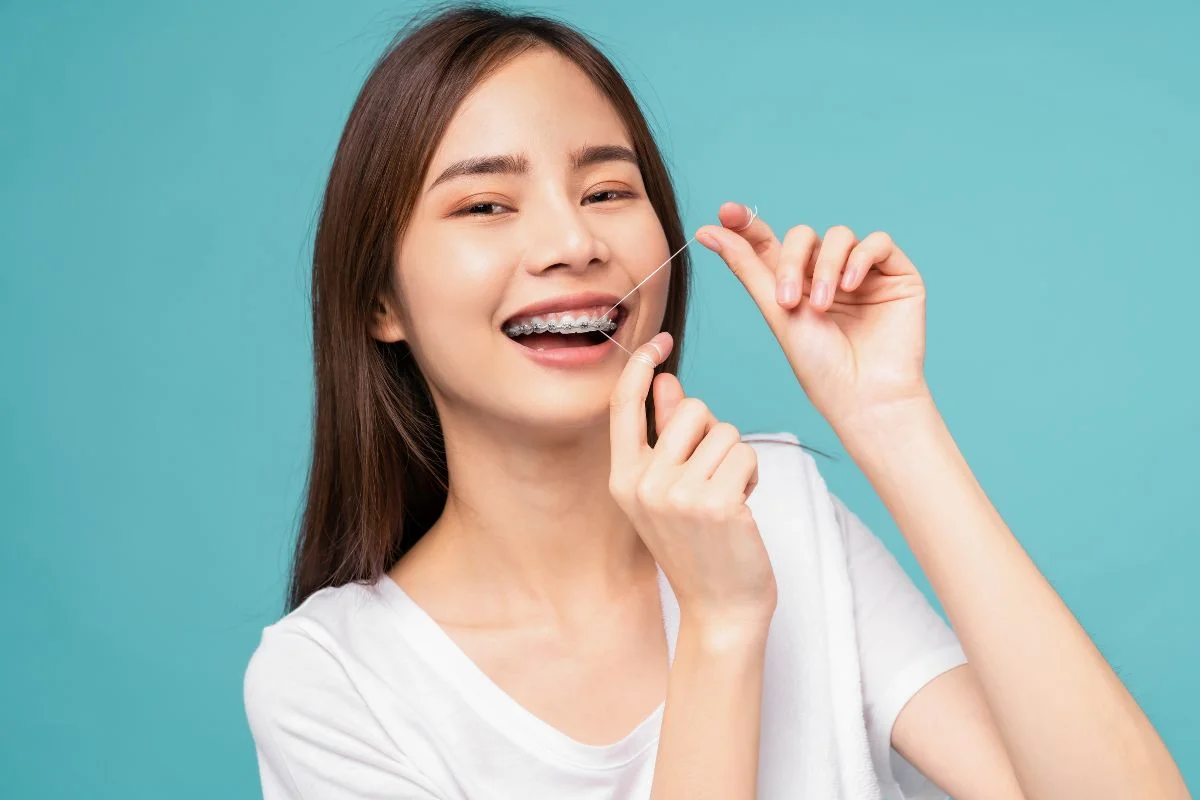
Invisalign Vs Braces: What Should Adults And Teens Consider?

Choosing between Invisalign and braces is not only about whether you want visible brackets or clear aligners. Both treatments move teeth, but they use different appliances and place different responsibilities on the patient. Braces stay attached to the teeth. Clear aligners such as Invisalign are removable and must be worn consistently for treatment to work as planned.

That difference affects eating, cleaning, appearance, daily habits, and which orthodontic problems can be treated predictably.

For adults and teens comparing Invisalign vs braces in North York, the best choice should therefore come after an assessment of the teeth, bite, gums, jaw relationship, lifestyle, and ability to follow the treatment plan.
Invisalign Vs Braces

Invisalign Vs Braces: Quick Answer

Invisalign may appeal to patients who want a less visible and removable appliance and who can reliably wear their aligners as directed.

Traditional braces may be more suitable when the treatment requires fixed appliances, the case is more complex, or a patient is unlikely to wear removable aligners consistently.


Factor Invisalign Clear Aligners Traditional Braces
Appearance Clear and less noticeable Brackets and wires are visible
Removable? Yes No
Eating Remove aligners before eating Some hard, sticky and chewy foods should be avoided
Cleaning Remove aligners to brush and floss Cleaning requires extra attention around brackets and wires
Patient compliance Very important Less dependent on remembering to wear the appliance
Treatment range Suitable for many orthodontic problems Can treat a wide range of problems
Appointments Regular progress checks required Regular progress and adjustment appointments required
Retainers afterward Yes Yes

How Invisalign Works

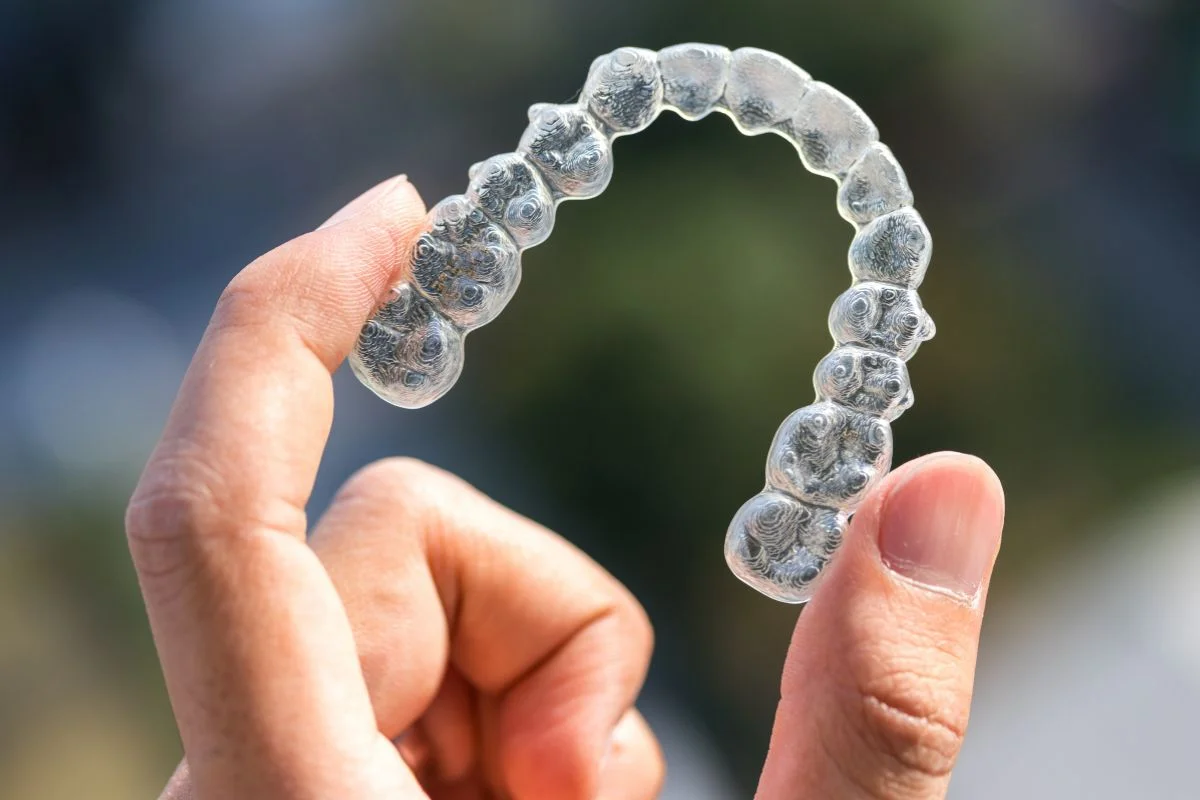
Invisalign treatment uses a planned series of clear aligners that fit over the teeth.

Each aligner applies controlled pressure to move selected teeth gradually. As treatment progresses, the patient moves through the aligner series according to the prescribed schedule.

The AAO describes clear aligners as thin custom trays that apply gradual pressure to the teeth and are commonly changed in sequence during treatment.

Mint 32’s Invisalign treatment in North York uses digital scanning to plan custom aligners and follow tooth movement during treatment. Its current page states that each set is typically worn for approximately one to two weeks before progressing to the next set.

What Can Clear Aligners Treat?

Depending on the case, clear aligners may be used for:

  • Crowding.
  • Spaces between teeth.
  • Crooked teeth.
  • Some overbites.
  • Some underbites.
  • Some crossbites.
  • Some open bites.

The AAO confirms that these are among the common problems clear aligners may address, but suitability remains case-specific.

Some complicated movements or bite problems may be treated more predictably with braces or specialist orthodontic care.


How Invisalign Works
How Braces Work

How Braces Work

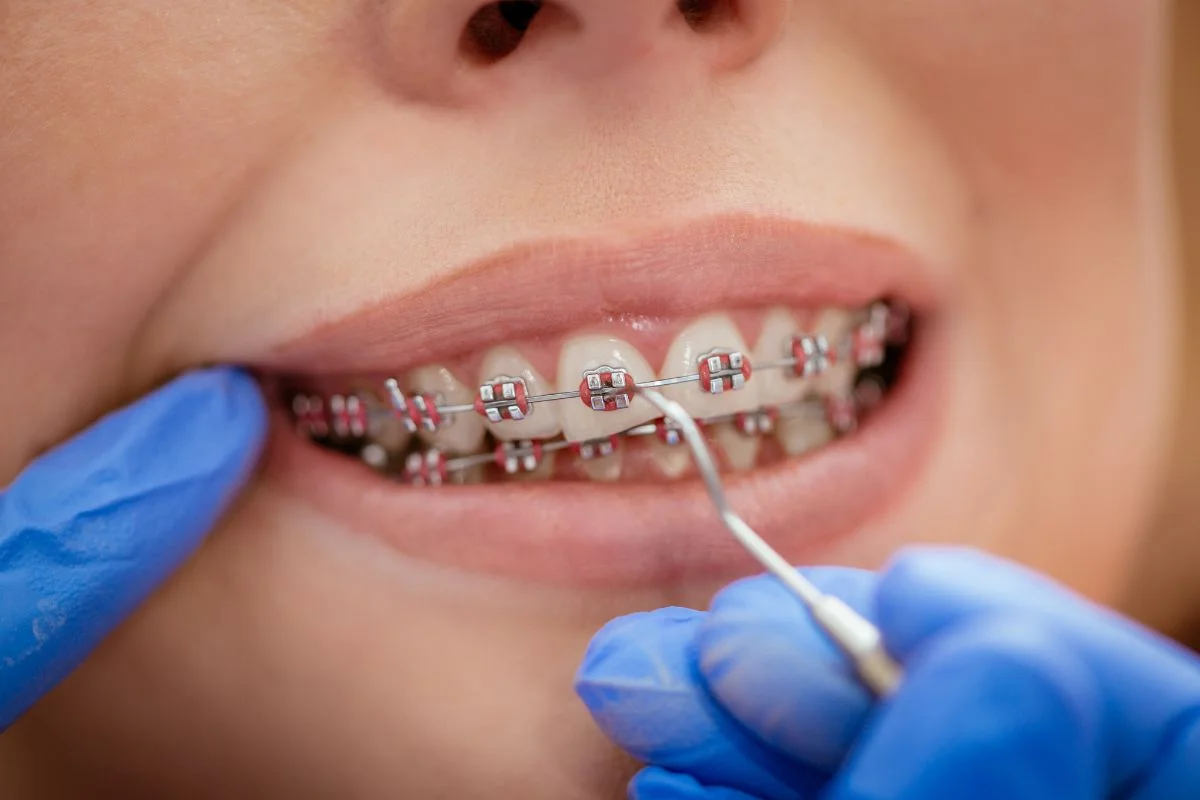
Traditional braces use brackets attached to the teeth and an archwire that runs through those brackets.

The wire and other components apply controlled forces that gradually move the teeth.

The Canadian Dental Association explains that braces use brackets or bands attached to teeth with archwires fitted through them. 

he appliance stays attached during treatment.

Because braces are fixed, the patient does not need to remember to put the appliance back in after eating.

This can be useful for someone who may struggle with the daily discipline required for removable aligners.

However, fixed braces also affect how the teeth are cleaned and what foods should be eaten.

Visibility And Lifestyle

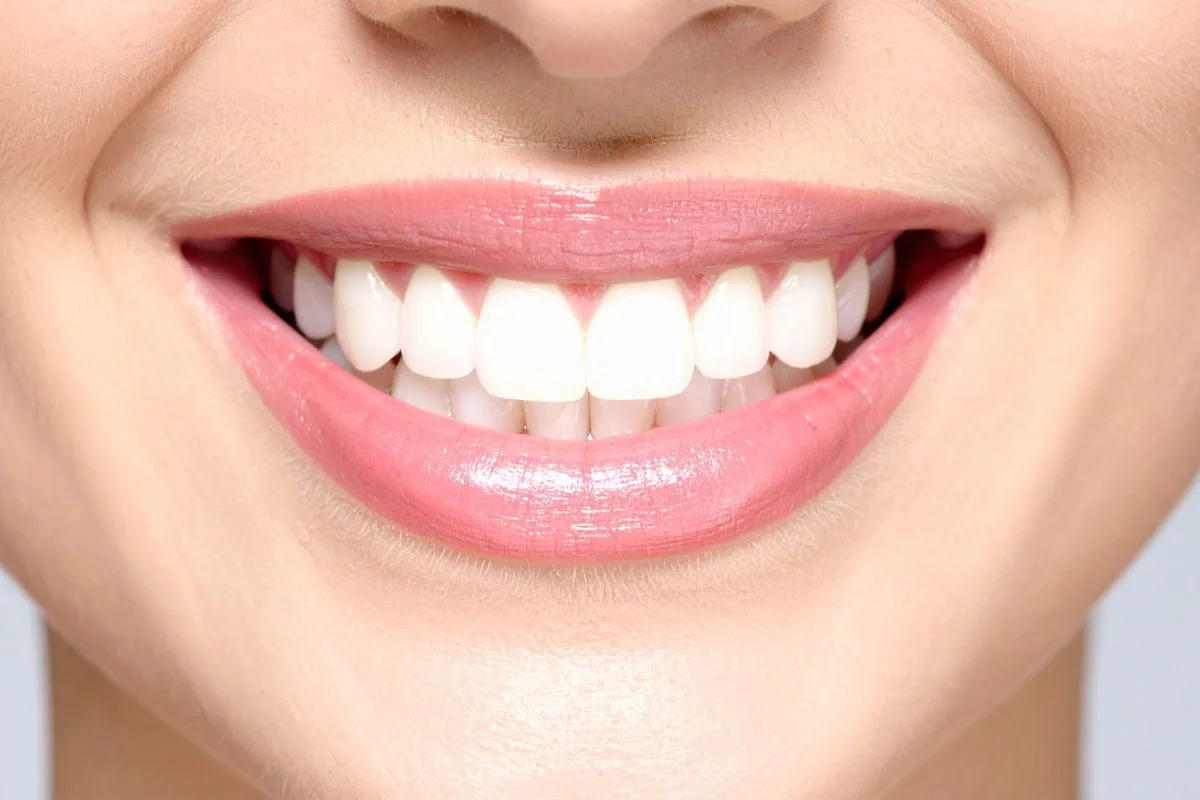
Appearance is one of the most obvious differences.

Invisalign

Clear aligners are designed to be much less noticeable than metal braces.

This can appeal to:

  • Adults in customer-facing jobs.
  • University students.
  • Teens who are concerned about appearance.
  • Patients who attend frequent social events.
  • Anyone who prefers a less visible appliance.

Aligners are not completely invisible. Depending on the treatment plan, small tooth-coloured attachments may be placed on certain teeth to help the aligners create specific movements.

Braces

Traditional metal braces are more noticeable because brackets and wires stay on the teeth.

Modern orthodontics may also include less noticeable bracket options in some cases, including tooth-coloured ceramic brackets. The CDA notes that modern braces are smaller than older designs and that ceramic options can be less noticeable.

Appearance matters, but it should not be the only reason for selecting treatment.

The main goal remains moving the teeth and bite safely and predictably.


The Specific Symptoms That Mean "Go to the ER"

While you wait for your appointment, a few simple steps can protect your tooth and ease discomfort:

  • Rinse gently with warm salt water to clean the area.
  • Apply a cold compress to the outside of your cheek to reduce swelling.
  • Take an over-the-counter pain reliever as directed on the label.
  • Avoid chewing on the affected side.
  • If a tooth is knocked out, keep it moist in milk or saliva and get to a dentist within the hour.


Eating With Invisalign Vs Braces

Daily eating habits are very different between the two treatments.

Eating With Invisalign

Clear aligners are removed before eating.

That means there are generally no brace-related food restrictions while the aligners are out.

However, the patient needs to:

  1. Remove the aligners.
  2. Store them safely.
  3. Eat or drink.
  4. Clean the teeth as advised.
  5. Put the aligners back in.

The AAO advises removing aligners for eating and for drinks other than water.

For someone who snacks frequently throughout the day, this routine can become inconvenient and can also reduce total wear time if aligners remain out too long.

Eating With Braces

Braces cannot be removed.

Hard, sticky, crunchy, and chewy foods can damage brackets or wires and may need to be avoided or modified.

The AAO specifically recommends avoiding foods that can break or dislodge orthodontic hardware.

Apples and similar firm foods may need to be cut into smaller pieces rather than bitten directly.


Cleaning Teeth During Treatment

Good oral hygiene matters with either treatment.

Cleaning With Invisalign

The aligners can be removed, so the patient can brush and floss without navigating brackets and wires.

However, the aligners themselves also need care, and clean aligners should be placed back over clean teeth according to professional instructions.

This removability can make routine home cleaning simpler.

Cleaning With Braces

Brackets and wires create additional areas where food and plaque can collect.

The Canadian Dental Association warns that plaque around braces can contribute to permanent white or brown enamel marks if the teeth are not cleaned properly.

Patients may need:

  • Careful brushing around every bracket.
  • Floss threaders.
  • Interdental brushes.
  • Extra time for oral hygiene.
  • Regular professional dental care.

Maintaining preventative dentistry during orthodontic treatment can help monitor teeth and gum health while the alignment is changing.


Wearing Aligners Consistently

Compliance is one of the most important issues in the braces vs clear aligners decision.

The AAO states that clear aligners typically need to be worn for at least 22 hours per day, although patients should follow the exact schedule prescribed by their treating dental professional.

That means aligners need to be worn during:

  • School.
  • Work.
  • Homework.
  • Sleep.
  • Most social activities.

They are mainly removed for eating, drinking anything other than permitted beverages, and oral hygiene.

If aligners are left out too often, the teeth may not track according to the treatment plan.

This issue can be especially important for teens.

A teen who is responsible enough to wear aligners consistently may do very well with removable treatment.

A teen who repeatedly forgets, loses, or leaves the aligners out may be better suited to an appliance that remains fixed.

Invisalign For Teens: What Should Parents Consider?

The decision for a teenager should include more than appearance.
Parents and teens should discuss:

  • Will the aligners actually be worn every day?
  • Will they be removed before meals?
  • Can the teen keep them safe at school?
  • Will oral hygiene be maintained?
  • Does the orthodontic problem suit aligner treatment?
  • Does the teen play contact sports?
  • Are there growth or jaw-development concerns?
  • Will follow-up appointments be attended?

The AAO notes that treatment for younger patients needs ongoing monitoring and that orthodontic planning should consider the patient’s growth and specific dental needs.

For teens already receiving routine family dentistry care, existing dental health should also be checked before orthodontic treatment begins.
Cavities, gum inflammation, and other active dental problems may need attention before teeth are moved.

Invisalign For Adults: Is There An Age Limit?

Adults commonly assume orthodontic treatment is only for teenagers.

It is not.

The AAO states that age alone is rarely the deciding factor for adult orthodontic treatment and reports that approximately one in three orthodontic patients is an adult.

Adult treatment planning may need to consider factors such as:

  • Existing crowns or bridges.
  • Missing teeth.
  • Gum health.
  • Previous orthodontic treatment.
  • Bone support.
  • Tooth wear.
  • Existing restorations.
  • Long-term restorative plans.

Some adults seek treatment because teeth have shifted after earlier braces or because retainers were no longer worn.

Others are considering orthodontics for the first time.

The health of the teeth and supporting tissues matters more than simply being over a certain age.

What Types Of Alignment Problems Can Invisalign Treat?

Clear aligners can handle many types of tooth movement, but the treatment range should not be reduced to simple claims like “Invisalign is only for easy cases” or “Invisalign can fix everything.”

Both statements are too broad.

The AAO lists crowding, spacing, overbite, underbite, open bite, crooked teeth, and crossbite among conditions that can sometimes be treated with clear aligners. It also states that some cases are treated more predictably with braces.

Mint 32 similarly states on its current Invisalign page that severe rotations and more complex bite or skeletal problems are case-dependent and may require another approach or specialist referral.

That is a more useful way to explain suitability.

The question is not simply:

“Can Invisalign treat this type of problem?”

It is:

“Can Invisalign create the specific movements required in this individual case with an acceptable level of predictability?”


Are Braces Better For Complex Cases?

Braces give the treating professional direct control through fixed brackets, wires, and other components.
The AAO notes that braces can treat most orthodontic problems and that some complex cases may be more predictable with fixed appliances.
Examples that may influence the choice include:

  • Significant tooth rotations.
  • Severe crowding.
  • More complicated bite correction.
  • Movements requiring more predictable fixed control.
  • Situations where aligner wear is unlikely to be consistent.

That does not mean every complex case automatically requires braces.

Which Treatment Is Faster?

There is no reliable rule that says Invisalign is always faster than braces.
Treatment time depends on:

  • How much movement is required.
  • Bite complexity.
  • Patient growth.
  • Treatment goals.
  • Biological response.
  • Missed appointments.
  • Broken braces.
  • Aligner compliance.
  • Whether refinements or additional treatment stages are needed.

The AAO explicitly notes that treatment duration varies according to the orthodontic problem and required movement.
A mild case may finish sooner than a complex case regardless of the appliance.

Patients should therefore be cautious about choosing treatment based on a promised number of months without a full assessment.

What Happens At An Invisalign Assessment?

A proper assessment looks beyond whether the front teeth appear crooked.

Mint 32’s current Invisalign consultation includes digital scanning, discussion of alignment goals, treatment planning, and review of cost and expected treatment.

An orthodontic assessment may consider:

  • Tooth position.
  • Bite.
  • Spacing or crowding.
  • Gum health.
  • Existing dental work.
  • Jaw relationships.
  • Missing teeth.
  • Oral hygiene.
  • Patient age and growth where relevant.
  • Whether specialist care may be appropriate.

Current North York competitor content increasingly compares Invisalign and braces by lifestyle, complexity, hygiene, and patient compliance, which confirms that search intent is moving beyond appearance alone.

Cost, Insurance And Payment Considerations

The cost of orthodontic treatment depends on the individual case.

Factors may include:

  • Complexity.
  • Treatment duration.
  • Number of aligners.
  • Additional appliances.
  • Follow-up requirements.
  • Private insurance coverage.

Mint 32 currently lists an Invisalign price range on its service page and states that a written estimate is provided before treatment. Because fees can change and each case is different, patients should use the current consultation estimate rather than relying on a blog price.

Patients who need to spread treatment costs can review Mint 32’s payment options.

Private dental plans may include orthodontic benefits, but each plan is different.

The federal Canadian Dental Care Plan does not provide routine orthodontic coverage comparable to private orthodontic benefits, so CDCP should not be assumed to pay for Invisalign treatment.


Invisalign Vs Braces In North York: How Should You Choose?

The best choice usually becomes clearer after answering a few practical questions.

Choose Based On Dental Needs

Can both appliances produce the movements your case requires?

If not, clinical suitability comes before lifestyle preference.

Choose Based On Discipline

Can you reliably wear aligners as prescribed?

If not, fixed braces may provide an important practical advantage.

Choose Based On Oral Hygiene

Would removable aligners make cleaning easier for you, or are you comfortable maintaining braces carefully?

Choose Based On Lifestyle

Do you strongly value a less noticeable appliance?

Can you manage removing and reinserting aligners throughout the day?

Choose Based On Your Long-Term Dental Plan

Existing restorations, missing teeth, gum health, and future dental treatment can affect orthodontic planning.

At Mint 32 Dentistry in North York, Invisalign is part of the clinic’s broader dental service offering, allowing alignment to be considered alongside general, restorative, preventative, and cosmetic dentistry needs.

If you are comparing clear aligners and braces, book an Invisalign consultation to determine whether Invisalign is suitable for your specific teeth and bite.


Eating With Invisalign Vs Braces

Frequently Asked Questions

Is Invisalign Better Than Braces?

Not for everyone. Invisalign offers removability and a less visible appearance, while braces provide fixed treatment and can be more predictable for some complex movements. The best option depends on the specific orthodontic problem.

Can Teens Get Invisalign?

Many teenagers can be treated with clear aligners, but suitability depends on their teeth, bite, growth, treatment needs, and willingness to wear the aligners consistently.

How Many Hours A Day Do Invisalign Aligners Need To Be Worn?

The AAO states that clear aligners are typically worn at least 22 hours per day. Patients should follow the exact schedule provided by their treating dental professional.

Can You Eat While Wearing Invisalign?

Aligners should be removed for eating. The AAO also advises removing them for beverages other than water.

Do Braces Have Food Restrictions?

Yes. Hard, sticky, crunchy, and chewy foods can damage brackets and wires and may need to be avoided or modified.

Is Invisalign Faster Than Braces?

Not necessarily. Treatment time depends on the complexity of the case, required tooth movements, and how closely the treatment plan is followed.

Can Adults Get Invisalign?

Yes. Orthodontic treatment is not limited to teenagers. Adult suitability depends more on dental and periodontal health than chronological age alone.

Do I Need A Retainer After Invisalign?

Yes. Teeth can move after active orthodontic treatment, so retention is part of maintaining the result.

How Do I Know Whether Invisalign Is Suitable For My Teeth?

A clinical assessment is required. The provider needs to evaluate tooth position, bite, oral health, treatment goals, and whether clear aligners can create the movements required.