Root Canal Vs Tooth Extraction: When Can A Tooth Be Saved?

When a tooth becomes severely painful, infected, cracked, or badly decayed, one of the biggest questions is often whether it can still be saved. The root canal vs extraction decision is not simply about choosing the faster procedure. The more important question is whether the tooth has enough healthy structure and support to remain functional after treatment.

A root canal treats the damaged or infected tissue inside a tooth while keeping the natural tooth in place. An extraction removes the tooth completely when preserving it is no longer predictable or appropriate. Root canal treatment is recognized by the Canadian Dental Association as an established treatment for teeth with inflamed or infected pulp and can allow severely damaged teeth to remain in the mouth.

At Mint 32 Dentistry in North York, the goal of an assessment is to determine what is causing the problem, whether the tooth is restorable, and which treatment offers a reasonable long-term prognosis.

After Root Canal Treatment

Root Canal Vs Extraction: The Direct Difference

Both procedures can be considered when the pulp inside a tooth has become irreversibly damaged or infected, but they solve the problem in very different ways.

Root canal Tooth extraction
Main purpose Treat disease inside the tooth while retaining it Remove the entire tooth
Natural tooth retained? Yes No
What is treated? Inflamed, infected, injured, or dead pulp inside the tooth The whole tooth is removed from its socket
Restoration afterward A filling or crown may be required Replacement may later involve an implant, bridge, or partial denture
Best considered when The tooth remains restorable and has an acceptable prognosis The tooth cannot reasonably be restored or retained
Future treatment Ongoing routine dental care and restoration maintenance Healing plus possible missing-tooth replacement

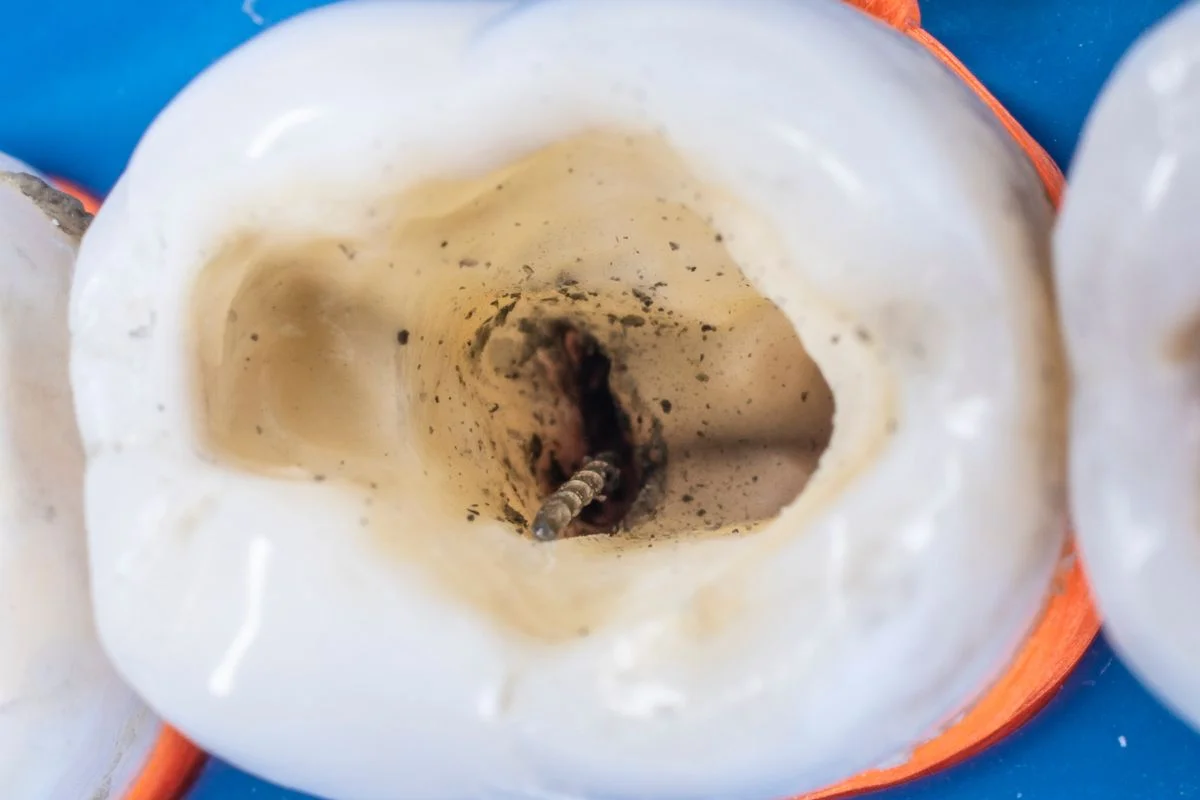
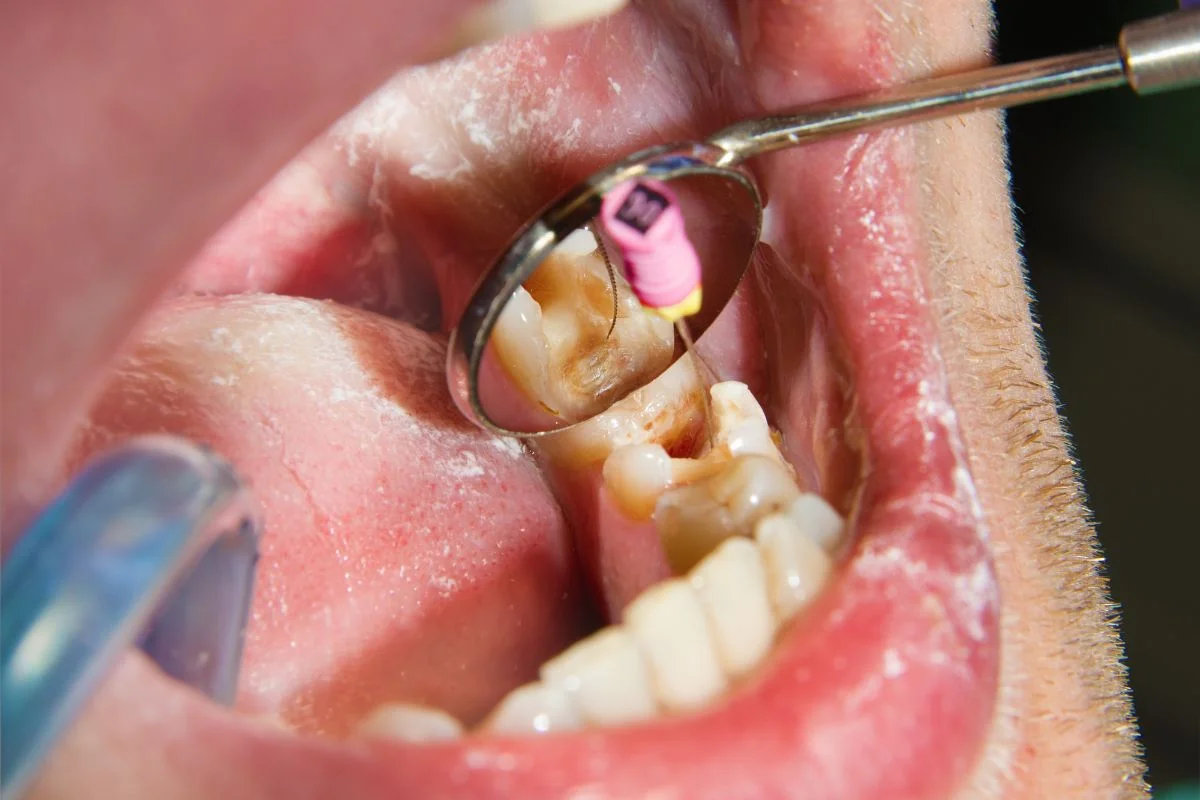
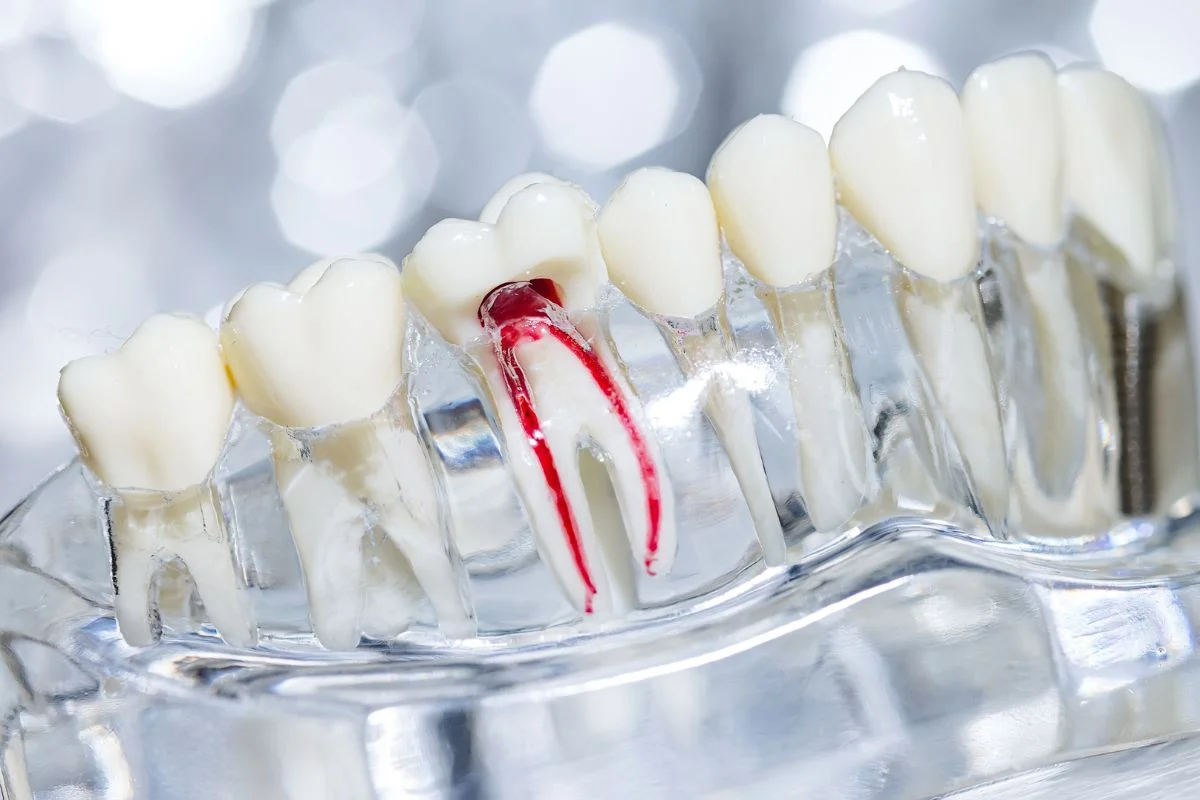
During root canal treatment, the dentist accesses the inside of the tooth, removes the affected pulp tissue, cleans and disinfects the root canal system, and fills and seals the space. The purpose is to control the disease while preserving the tooth itself.

With an extraction, the tooth is removed. The site then needs time to heal, and depending on the location of the tooth, the patient’s bite, and the overall treatment plan, replacing the missing tooth may need to be discussed.

Neither treatment should be considered automatically “better” for every patient. The better option is the one that is clinically appropriate for that particular tooth.

When Dentists Try To Preserve A Natural Tooth

Whenever a tooth has a reasonable chance of being successfully treated and restored, preserving it may be worth considering. Root canal treatment can allow some severely damaged or infected teeth to remain in place instead of being removed.

  • A tooth may be a candidate for preservation when:
  • The root and surrounding support remain adequate.
  • Enough healthy tooth structure remains to restore the tooth.
  • Decay can be removed without leaving the tooth unrestorable.
  • A crack has not made the tooth structurally hopeless.
  • Infection or inflammation inside the tooth can be treated endodontically.
  • The tooth can be restored afterwards so it can withstand normal biting forces.

This is an important distinction. Having a painful or infected tooth does not automatically mean the tooth needs to be pulled.

For example, a deep cavity may allow bacteria to reach the pulp in the centre of the tooth. Once the pulp is irreversibly inflamed or infected, simply placing another filling may no longer solve the problem.

Root canal therapy can address the tissue inside the tooth, after which appropriate restorative dentistry may be used to rebuild and protect the remaining structure.


Why Keeping The Natural Tooth Can Matter

A natural tooth already has its own root, periodontal ligament, contours, and relationship with neighbouring teeth. When a tooth can be predictably retained, treatment avoids creating a new gap that may later require a separate tooth-replacement procedure.

That does not mean dentists should attempt to save every tooth regardless of condition. The goal is not preservation at any cost. The goal is to determine whether preserving the tooth provides a sensible and maintainable result.


When Extraction May Be Considered

There are situations in which saving a tooth becomes difficult, unpredictable, or impossible.

Tooth extractions may be discussed when the damage extends beyond what can reasonably be repaired.

Examples that may lead to an extraction discussion include:

  • Extensive decay that leaves too little sound tooth structure for a durable restoration.
  • A severely split tooth.
  • Certain fractures that extend deeply into the root.
  • Significant loss of periodontal support around a tooth.
  • A tooth that cannot be predictably restored after infection is treated.
  • Some previously treated teeth with complications that cannot reasonably be retreated or restored.
  • Trauma that has damaged the tooth beyond repair.

Vertical root fractures are particularly important because they may be difficult to detect and can affect the tissues around the root. Extraction may be required in some vertical root-fracture cases, although the exact treatment depends on the tooth and fracture involved.

The decision therefore goes beyond simply asking, “Is this tooth infected?” A dentist also needs to ask, “If the infection is treated, will there be enough healthy and supported tooth left to restore?”


When Extraction May Be Considered

Symptoms That Can Lead To Either Treatment

A patient usually cannot determine whether they need a root canal or extraction based on pain alone.

Symptoms that warrant dental assessment can include:

  • Persistent or severe toothache.
  • Pain when biting or chewing.
  • Lingering sensitivity to hot or cold.
  • Swelling around a tooth or gum.
  • A small bump or pimple-like area on the gum.
  • A visibly broken or cracked tooth.
  • Darkening of an individual tooth.
  • A filling or crown that has broken while the underlying tooth is painful.
  • Facial swelling associated with dental pain.

There is another important point: not every tooth requiring treatment causes dramatic pain.

How Examination And Imaging Help With Diagnosis

Before recommending an infected tooth treatment, a dentist needs to determine what is actually happening inside and around the tooth.

The assessment can involve several pieces of information.


Your Symptoms

The dentist may ask:

  • When did the pain begin?
  • Is it spontaneous or triggered?
  • Does cold or heat cause discomfort?
  • Does the pain disappear quickly or linger?
  • Does biting make it worse?
  • Has there been swelling?
  • Has the tooth previously had a large filling, crown, trauma, or root canal?


Clinical Examination

The dentist examines the tooth and surrounding tissues for decay, fractures, swelling, damaged restorations, mobility, gum changes, and other findings.


Pulp And Biting Tests

Depending on the situation, the dentist may evaluate how the tooth responds to temperature or other vitality testing and may check whether tapping or biting produces discomfort.

These tests help determine the condition of the dental pulp and tissues surrounding the root.


Dental X-Rays

Dental radiographs provide information that cannot always be seen during a visual examination. They can help evaluate the roots, surrounding bone, deep decay, existing restorations, and changes around the end of a root.

A root canal assessment may combine clinical examination, sensitivity testing, and dental X-rays when determining whether endodontic treatment may be necessary.

A dentist should consider all of these findings together. An X-ray alone does not tell the entire story, just as pain alone does not determine the treatment.


Recovery And Follow-Up Differences

Recovery is another common consideration in the root canal or extraction decision, but it should not override the clinical prognosis.

After Root Canal Treatment

Some tenderness around a treated tooth can occur after the procedure. Once the root canal itself is completed, the next priority is ensuring the tooth has an appropriate final restoration.
Depending on the tooth, its location, and how much structure remains, a filling or crown may be recommended.
This is why dental crowns after root canal treatment are an important part of the discussion for many back teeth and heavily restored teeth.

After An Extraction

An extraction creates a healing socket where the tooth was removed. Some pain, swelling, or bleeding can occur following oral surgery, and following the dentist’s post-operative instructions is important.

The patient may be advised to temporarily modify eating, cleaning, and physical activity while the area heals.

The key long-term difference is that extraction also creates another question: Should the missing tooth be replaced?

What Happens After An Extraction?

Removing the source of a dental problem may solve the immediate issue, but an extraction is not necessarily the end of the treatment plan.

Once healing has been evaluated, the dentist may consider:

  • Where the missing tooth is located.
  • Whether it affects chewing.
  • The condition of the neighbouring teeth.
  • The patient’s bite.
  • Available bone and gum support.
  • Whether other teeth are also missing.
  • The patient’s overall dental health and preferences.
  • Whether leaving the space is reasonable in that specific situation.

Is It Better To Have A Root Canal Or Extraction

Replacing An Extracted Tooth

There are several ways to replace a tooth that cannot be saved.

Dental Implant

A dental implant uses an implant fixture in the jawbone to support a replacement tooth. It does not require the adjacent natural teeth to serve as conventional bridge anchors, although implant treatment requires its own assessment, surgical stage, healing period, and restorative stage.

Dental Bridge

A traditional bridge replaces the missing tooth with a fixed restoration supported by neighbouring teeth. Whether this makes sense depends partly on the condition of those teeth and the overall bite.

Partial Denture

A removable partial denture can replace one or several missing teeth and may be suitable in situations where a removable treatment is preferred or where several teeth need replacement.

The fact that these replacement options exist does not mean extraction and replacement are automatically preferable to preserving a restorable tooth. They are alternatives for situations in which a tooth cannot be retained or when extraction is otherwise determined to be the appropriate treatment.

Root Canal Or Extraction:
What Factors Actually Determine The Decision?

Rather than thinking of the choice as simply “root canal vs pulling tooth,” it helps to look at the clinical questions a dentist must answer:

1. What Is Causing The Symptoms?

Pain may come from pulp inflammation, infection, a fracture, decay, periodontal disease, or another dental problem.

2. Can The Source Of The Problem Be Treated?

If the pulp is the problem, root canal therapy may be able to address it.

3. Is The Tooth Structurally Restorable?

Treating the pulp is useful only if the remaining tooth can subsequently be restored.

4. Is The Root Intact?

Certain root fractures substantially change the prognosis.

5. Does The Tooth Have Adequate Support?

The surrounding gums and bone are part of the long-term prognosis.

6. What Restoration Will Be Required Afterwards?

Some teeth need significant restorative treatment following a root canal.

7. What Is The Long-Term Plan If The Tooth Is Extracted?

The cost, timing, maintenance, and suitability of replacement should be considered before removal whenever circumstances allow.

This is why an individualized dental assessment is more useful than choosing a procedure based on internet symptoms alone.

When Tooth Pain Becomes Urgent

Significant dental pain should not be ignored, particularly when it is accompanied by swelling or other signs of infection.

Seek prompt dental assessment if you have:

  • Severe or worsening tooth pain.
  • Swelling of the gum, jaw, or face.
  • A broken tooth causing substantial pain.
  • Pain that prevents normal eating or sleeping.
  • Signs of infection around a tooth.
  • A dental injury.

Symptoms that rapidly become worse.

If you are dealing with significant tooth pain, Mint 32 also provides emergency dentistry in North York, including assessment and treatment for problems that may involve root canal therapy, extraction, infection control, or restoration.


Root Canal Vs Extraction In North York: The Bottom Line

When comparing a root canal vs extraction, the most important question is not which procedure sounds easier. It is whether the affected tooth can be treated, restored, and maintained with a reasonable prognosis.

A root canal may allow an infected or severely damaged tooth to remain in place when enough healthy structure and support remain. Extraction may be appropriate when structural damage, fracture, periodontal support, or other factors make preserving the tooth unrealistic.

If you have an ongoing toothache or have been told that you may need either a root canal or extraction, book an assessment with Mint 32 Dentistry in North York. The purpose of the visit is to determine the cause of the problem first and then explain whether preserving the tooth or removing it is the more appropriate treatment.

Root Canal Vs Tooth Extraction

Frequently Asked Questions

Is It Better To Have A Root Canal Or Extraction?

If a natural tooth can be predictably treated and restored, preserving it is often considered before extraction. Root canal treatment removes diseased pulp while retaining the tooth. Extraction becomes more appropriate when a tooth cannot reasonably be restored or has a poor prognosis because of factors such as severe structural damage or certain fractures.

Can An Infected Tooth Always Be Saved With A Root Canal?

No. Root canal treatment can save many teeth with inflamed or infected pulp, but it cannot make every damaged tooth restorable. Severe decay, inadequate remaining tooth structure, certain root fractures, or inadequate periodontal support may change the prognosis.

How Does A Dentist Know Whether I Need A Root Canal Or Extraction?

Dentists consider your symptoms, examine the tooth and gums, perform appropriate diagnostic tests, and use dental imaging when needed. They then evaluate both the condition of the pulp and whether the tooth can be successfully restored afterwards.

Can A Badly Broken Tooth Still Be Saved?

Sometimes. The answer depends on where and how deeply the tooth is damaged. Broken teeth can sometimes be restored with treatment ranging from a filling to root canal treatment and a crown, depending on severity. Certain deep or root-level fractures have a less favourable prognosis.

Will I Need A Crown After A Root Canal?

It depends on the tooth and how much healthy structure remains. Crowns are commonly considered for teeth that require additional protection after root canal treatment, particularly when substantial tooth structure has been lost. The final restoration should be selected after the dentist evaluates the individual tooth.

What Happens If I Choose Extraction Instead?

The tooth is removed, and the socket is allowed to heal. Depending on which tooth was removed and your overall dental situation, your dentist may later discuss replacing it with an implant, bridge, or removable partial denture.

Should I Wait To See If A Severe Toothache Goes Away?

Persistent or significant tooth pain should be assessed rather than ignored. Pain can have several dental causes, and delaying diagnosis may allow the underlying condition to become more complicated. Contact a dentist promptly when tooth pain is severe, persistent, associated with swelling, or related to a broken tooth.